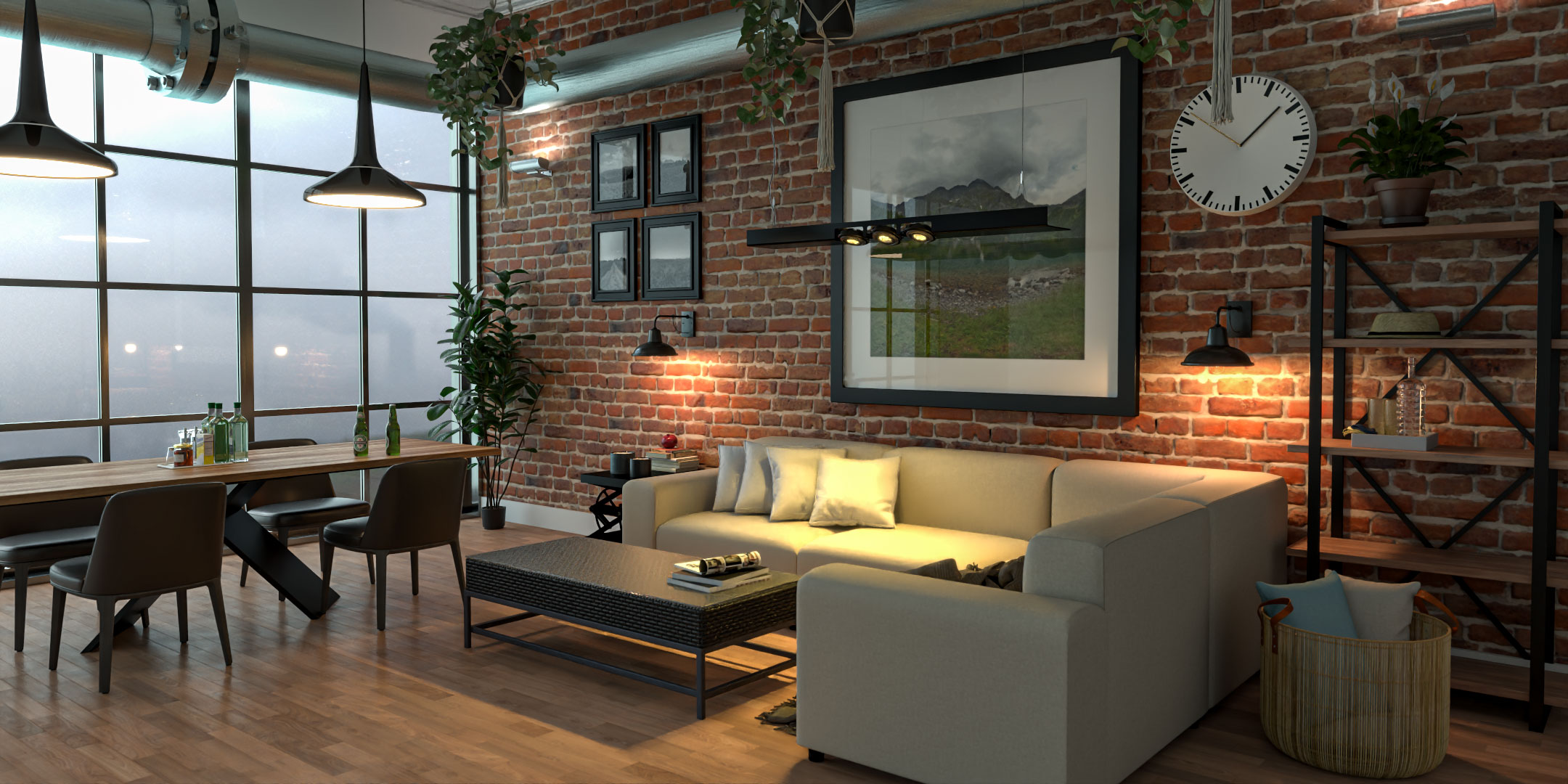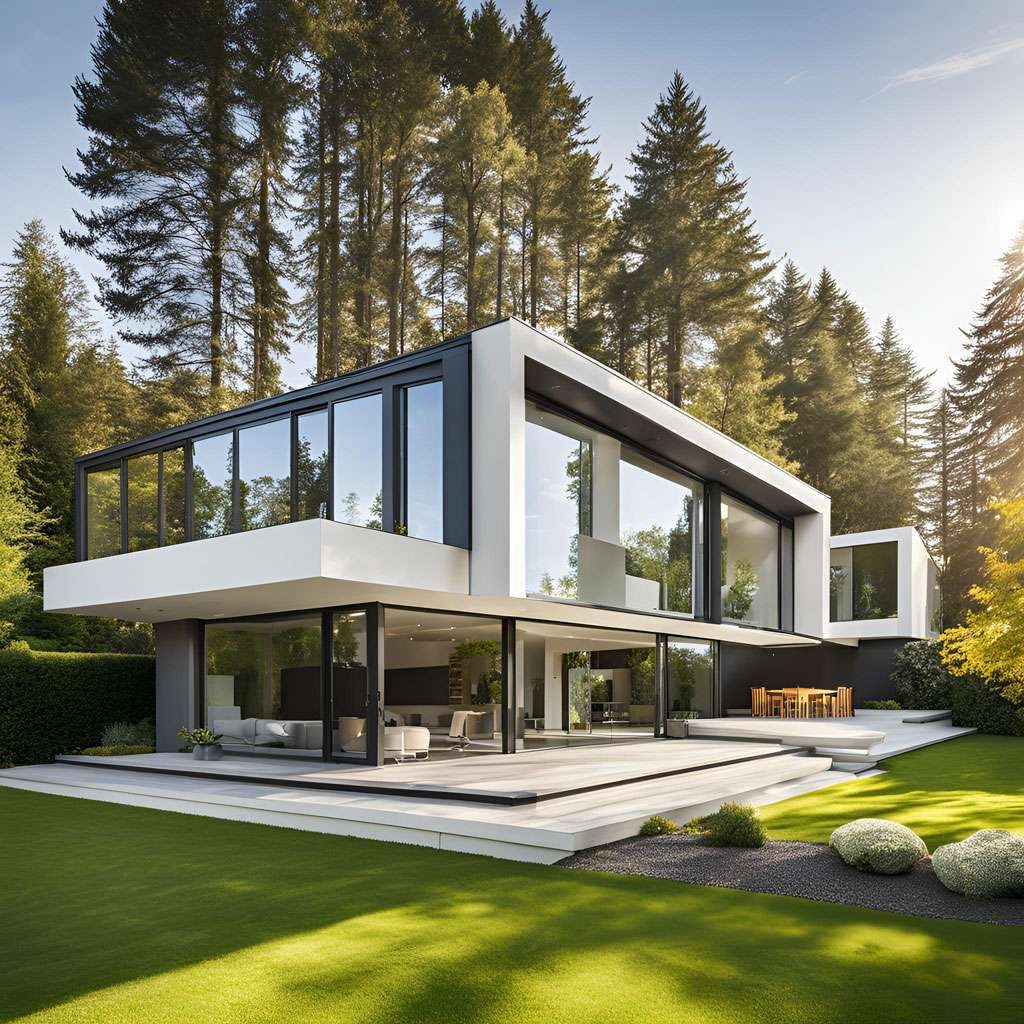
Choosing the best 3D rendering software depends on various factors such as your specific needs, the complexity of your projects, and your budget. Different software solutions offer unique features and capabilities suited for various applications, including architectural visualization, CGI, product design, video walkthroughs, and virtual reality. At Luxe3D.co.uk, we use a range of 3D rendering tools to deliver exceptional results for our clients. Here’s an in-depth look at some of the top 3D rendering software options available today:
**1. Autodesk 3ds Max:
Overview: Autodesk 3ds Max is a widely used 3D modelling and rendering software known for its powerful features and versatility. It’s particularly popular in architectural visualisation, game development, and animation.
Features:
Comprehensive Modelling Tools: Includes advanced modelling tools for creating detailed 3D models.
Rendering Engines: Integrates with various rendering engines such as Arnold, V-Ray, and Corona Renderer.
Animation Capabilities: Provides robust animation tools for creating complex animations and simulations.
Use Cases: Ideal for detailed architectural visualisation, product design, and high-quality CGI.
**2. Blender:
Overview: Blender is a free, open-source 3D rendering software that offers a wide range of features for modelling, rendering, and animation. It has gained popularity due to its extensive capabilities and active community support.
Features:
Integrated Tools: Includes built-in tools for 3D modelling, texturing, rendering (Cycles and Eevee), and animation.
Customisability: Highly customisable with a range of plugins and extensions.
No Cost: Free to use, making it a cost-effective solution for both professionals and hobbyists.
Use Cases: Suitable for a wide range of applications, including architectural visualisation, CGI, video games, and animations.
**3. V-Ray:
Overview: V-Ray is a powerful rendering engine developed by Chaos Group, known for its photorealistic results and flexibility. It integrates with various 3D modelling software, including 3ds Max, SketchUp, and Rhino.
Features:
Photorealistic Rendering: Offers advanced lighting, shading, and material tools to achieve realistic renderings.
Versatility: Works with multiple 3D modelling applications.
High Performance: Provides fast rendering speeds and support for complex scenes.
Use Cases: Excellent for architectural visualisation, product rendering, and visual effects.
**4. Corona Renderer:
Overview: Corona Renderer is a popular rendering engine known for its simplicity and ease of use. It’s often used for architectural visualisation and product rendering.
Features:
User-Friendly Interface: Offers an intuitive interface that simplifies the rendering process.
Realistic Results: Provides high-quality, photorealistic renderings with minimal setup.
Interactive Rendering: Includes interactive rendering tools for real-time feedback.
Use Cases: Ideal for architectural visualisation, product design, and interior rendering.
**5. KeyShot:
Overview: KeyShot is a rendering software known for its speed and ease of use, with a focus on product visualisation and design.
Features:
Real-Time Rendering: Provides real-time feedback with interactive rendering.
Materials and Textures: Offers a library of pre-made materials and textures.
Ease of Use: Designed for quick and straightforward rendering with minimal setup.
Use Cases: Best for product rendering, marketing materials, and quick design visualisations.
**6. OctaneRender:
Overview: OctaneRender is a GPU-accelerated renderer known for its high-quality output and fast rendering speeds. It supports a range of 3D modelling applications.
Features:
GPU Acceleration: Utilises GPU power for faster rendering times.
Photorealistic Results: Delivers high-quality, realistic renderings.
Node-Based System: Includes a node-based material editor for precise control over rendering settings.
Use Cases: Suitable for high-end CGI, visual effects, and architectural visualisation.
**7. Lumion:
Overview: Lumion is a rendering software specifically designed for architectural visualisation. It allows users to create stunning renderings and animations quickly.
Features:
Ease of Use: Provides an intuitive interface with easy-to-use tools.
Real-Time Rendering: Offers real-time rendering and visualisation features.
Environment and Effects: Includes a vast library of materials, objects, and effects for enhancing visualisations.
Use Cases: Ideal for architectural visualisation, presentations, and creating immersive video walkthroughs.
Luxe3D’s Recommendations:
At Luxe3D.co.uk, we utilise a combination of these powerful 3D rendering tools to achieve the best results for our projects. For high-end architectural visualisations and detailed CGI, we often rely on V-Ray, Corona Renderer, or OctaneRender due to their superior realism and flexibility. For quick and effective product visualisations, KeyShot and Blender are excellent choices due to their ease of use and real-time rendering capabilities.
In summary, the best 3D rendering software for you will depend on your specific needs and preferences. Autodesk 3ds Max, Blender, V-Ray, Corona Renderer, KeyShot, OctaneRender, and Lumion each offer unique features and advantages. At Luxe3D.co.uk, we choose the software that best aligns with the requirements of each project to deliver stunning and accurate visualisations.