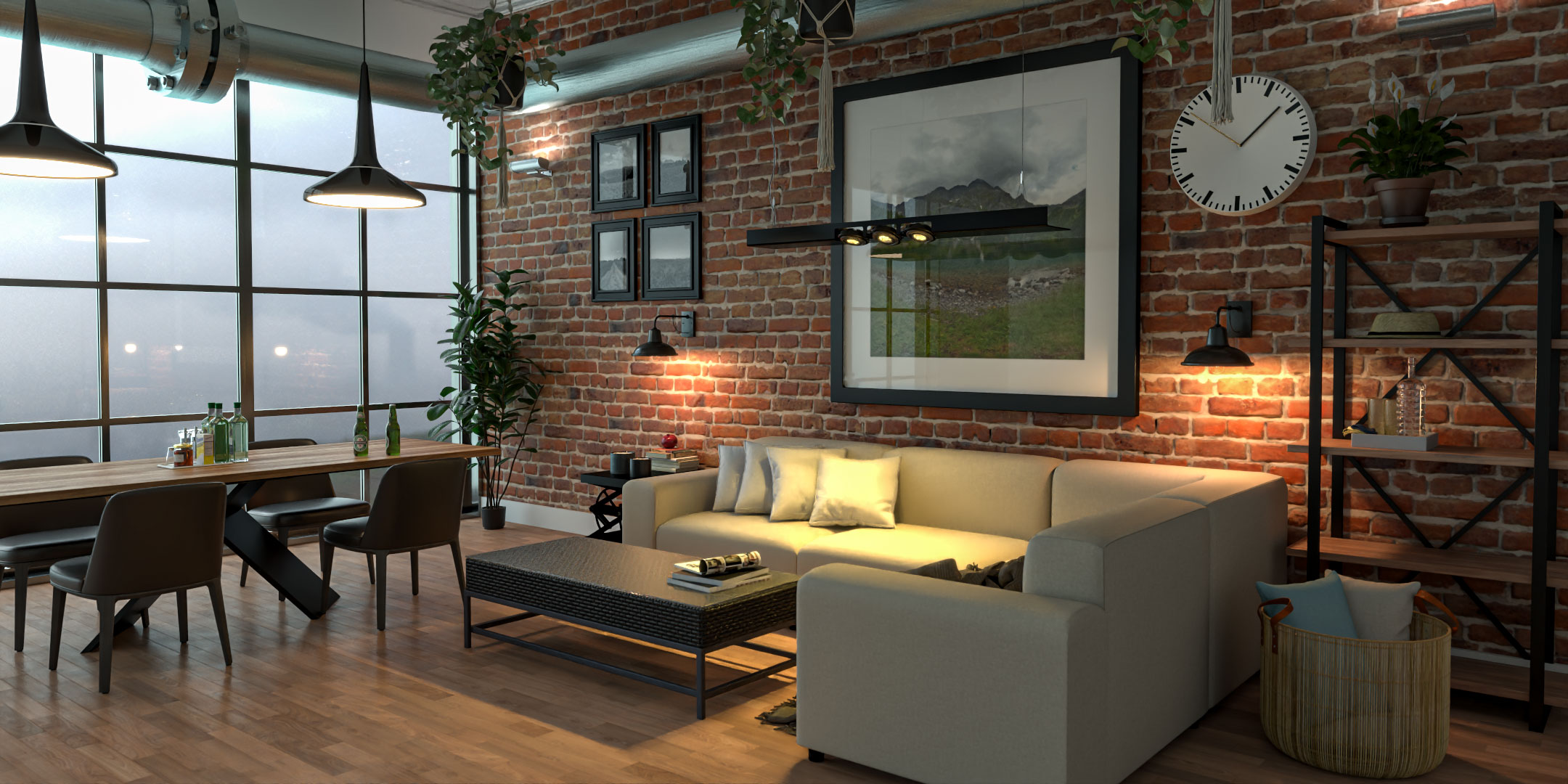
Why Interior Designers Need More Than Mood Boards
Winning a new interior design project often depends on how effectively a designer can communicate an idea before it has been built.
Mood boards, sketches, floor plans, material samples, and furniture schedules all play an important role, but clients may still struggle to imagine how the finished interior will look.
3D interior visualisation bridges this gap.
By transforming a design concept into a realistic digital environment, interior designers can present the complete vision rather than asking potential clients to imagine how individual elements will work together.
What Is 3D Interior Visualisation?
3D interior visualisation is the creation of realistic digital representations of proposed interior spaces.
A visualisation can communicate:
Furniture layouts
Materials and finishes
Colour schemes
Lighting
Bespoke joinery
Architectural details
Decorative elements
Spatial proportions
For interior designers, these visuals can become powerful presentation assets during pitches, proposals, and client meetings.
Turning a Design Concept Into Something Clients Can See
A client may understand the individual components of a design but still struggle to visualise the finished result.
A mood board might show a particular marble, timber, fabric, and furniture style, but it does not necessarily demonstrate how they will work together in the actual room.
3D visualisation combines these elements into one coherent environment.
The client can see the proposed space rather than having to mentally construct it from separate references.
Creating Stronger Design Pitches
Interior design pitches are competitive.
A designer may be presenting against several other studios, making the quality and clarity of the proposal particularly important.
Photorealistic CGI can help a pitch stand out by presenting the design in a polished and highly visual format.
A strong presentation can show:
The overall design concept
Key rooms
Material selections
Bespoke features
Lighting atmosphere
Furniture arrangements
This gives potential clients a clearer understanding of what the designer is proposing.
Demonstrating Attention to Detail
High-end interior design is often judged by the details.
Photorealistic visualisation can highlight elements that might otherwise be overlooked in a conventional presentation.
These may include:
Bespoke cabinetry
Decorative panelling
Feature lighting
Stone surfaces
Metal detailing
Custom furniture
Textured fabrics
Showing these elements within a complete environment demonstrates how the designer has considered the relationship between different components.
Helping Clients Understand the Investment
Interior design projects can involve significant budgets.
Clients need to understand what they are investing in and what the proposed result could look like.
A realistic visualisation can help communicate the value of the design by showing how premium materials, bespoke elements, furniture, lighting, and architectural details contribute to the finished environment.
It turns a list of specifications into something tangible.
Using Visualisation to Win Luxury Projects
For designers targeting high-end residential clients, visual presentation can be particularly important.
Luxury clients often expect a high level of detail from the earliest stages of a project.
Photorealistic interior visualisation can showcase:
Premium materials
Bespoke joinery
Sophisticated lighting
High-end furniture
Custom architectural details
Overall atmosphere
This helps communicate the level of design being proposed before any physical work begins.
Presenting Multiple Design Options
Another advantage of 3D visualisation is the ability to explore alternatives.
During a pitch, designers may want to present different approaches to the same space.
For example, a designer could compare:
Different colour palettes
Alternative furniture layouts
Flooring options
Lighting schemes
Kitchen finishes
Joinery treatments
Showing these alternatives within the actual proposed environment makes comparisons much easier than presenting isolated material samples.
Building Client Confidence
Clients are more likely to feel confident about a design when they can understand what the finished space is intended to look like.
Visualisation can reduce ambiguity around:
Scale
Proportion
Materials
Furniture
Lighting
Spatial flow
This can make the transition from pitch to project more straightforward.
Using CGI in Client Presentations
3D interior visualisation can be incorporated into different types of presentations.
Designers can use renders within:
Pitch decks
Proposal documents
Client presentations
Tender submissions
Portfolio presentations
Websites
Social media
A consistent set of visualisations can help establish a professional visual identity for the design studio.
Beyond Static Interior Renders
Interior designers can also use immersive formats when a project requires a deeper presentation.
3D walkthroughs allow potential clients to move through a proposed interior and understand how different rooms connect.
Virtual reality can provide an even more immersive experience, allowing clients to enter the proposed design and experience the space at scale.
For premium projects, this can create a particularly memorable presentation.
Turning Successful Pitches Into Marketing Assets
The visualisation created for a pitch does not necessarily have to be used only once.
With the appropriate permissions, CGI can become part of a wider marketing strategy.
Visuals may eventually be used for:
Website portfolios
Social media
Case studies
Press material
Brochures
Project announcements
This allows a designer to continue benefiting from the investment in professional visualisation.
Choosing the Right Level of Detail
Not every pitch requires the same level of visualisation.
The appropriate approach depends on the project, client, stage of design, and purpose of the presentation.
A concept-stage pitch may benefit from a smaller number of carefully selected hero images, while a detailed luxury residential proposal may require multiple rooms and perspectives.
The objective should always be to communicate the design clearly rather than simply producing as many images as possible.
The Role of Visualisation in Modern Interior Design
As clients become increasingly accustomed to high-quality digital imagery, expectations around design presentation continue to rise.
Interior designers are no longer limited to sketches and mood boards when communicating their ideas.
3D visualisation provides a way to present sophisticated concepts with greater realism, clarity, and emotional impact.
For designers competing for high-value projects, this can become an important part of the pitching process.
Conclusion
3D interior visualisation gives interior designers a powerful way to turn concepts into convincing visual experiences.
By showing materials, furniture, lighting, joinery, and spatial relationships within a realistic environment, CGI helps potential clients understand the proposed design and make confident decisions.
For competitive pitches, particularly in the luxury residential and commercial sectors, high-quality visualisation can help a design studio communicate its ideas more clearly and create a stronger first impression.
At Luxe3D, we create photorealistic 3D interior visualisations for UK interior designers, architects, developers, and property professionals. From individual rooms to complete luxury interiors, we transform design concepts into detailed visual experiences that can strengthen pitches, support client presentations, and help designers communicate the quality of their work before construction begins.