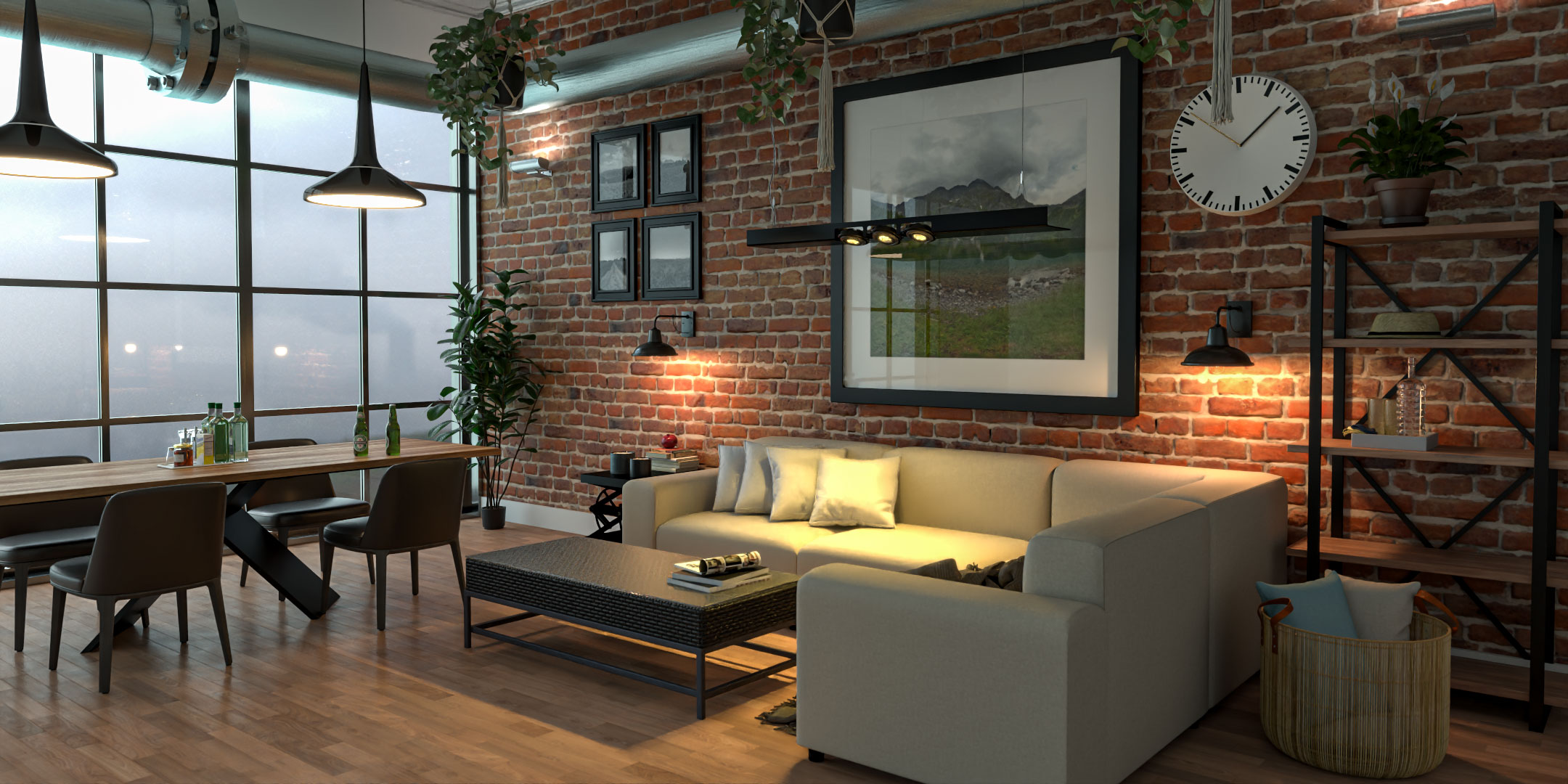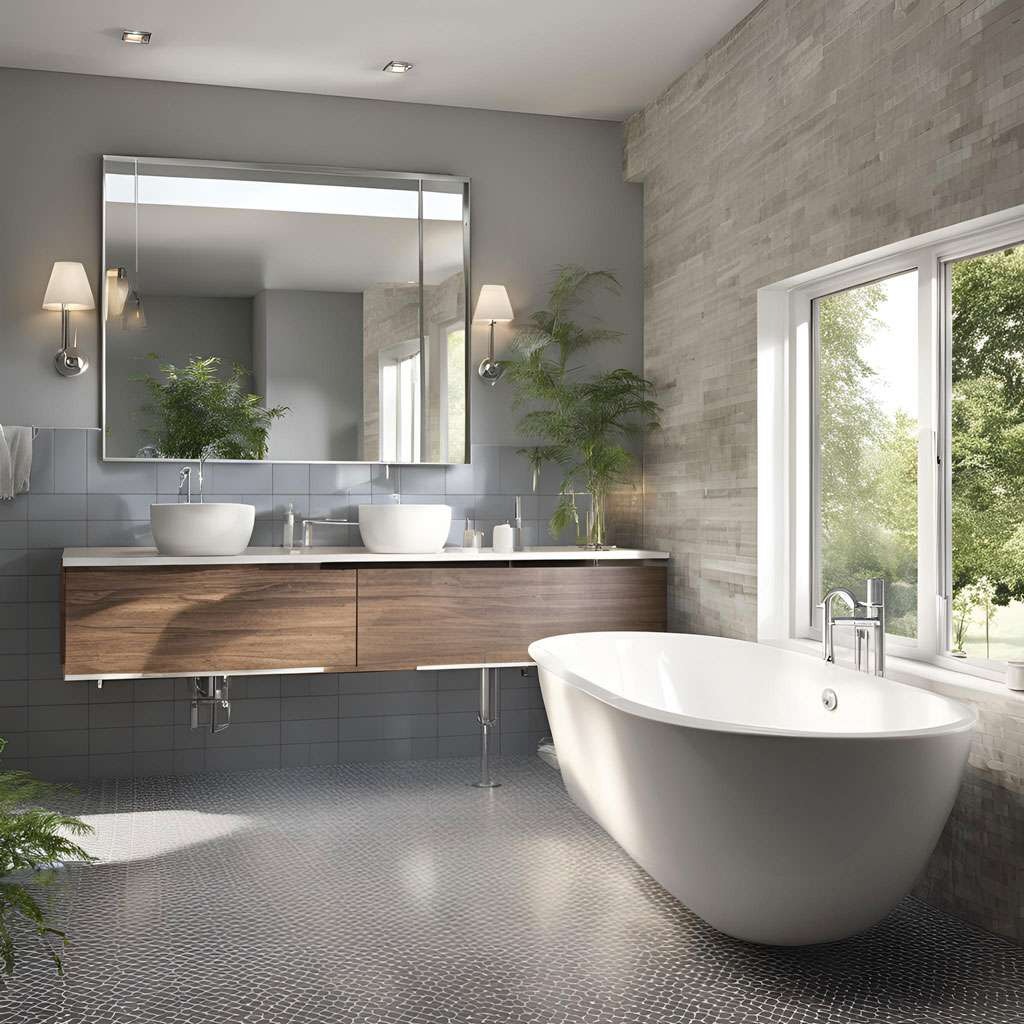
3D rendering from photos is a technique where images are used as a basis to create a three-dimensional model or scene. This process is often employed to convert 2D images into detailed 3D representations, which can then be manipulated, visualized, or integrated into various applications such as architectural design, virtual reality, and video games. Here’s an in-depth look at how this process works, the techniques involved, and the tools you can use:
Can You Create 3D Renders from Photos?
Yes. Modern 3D rendering techniques allow photographs to be converted into detailed 3D models and visualisations. This process is widely used in architecture, product design, virtual reality, gaming, and digital content creation.
Depending on the project requirements, there are several methods available for turning photographs into three-dimensional assets.
Photogrammetry
What Is Photogrammetry?
Photogrammetry is a process that creates a 3D model by analysing multiple photographs of a real-world object, building, or environment.
By comparing common points across many images, specialised software can calculate depth, scale, and geometry to reconstruct a three-dimensional representation.
How Photogrammetry Works
Image Capture
A series of overlapping photographs are taken from multiple angles around the subject.
For best results:
Images should be sharp and high resolution
Lighting should remain consistent
The subject should be visible from all important viewpoints
3D Reconstruction
The photographs are imported into photogrammetry software, which identifies matching points across the images and calculates their position in three-dimensional space.
The software then generates:
Point clouds
3D meshes
Surface geometry
Model Refinement
After reconstruction, the model is cleaned and optimised.
This may include:
Removing unwanted artefacts
Filling missing areas
Improving geometry
Generating realistic textures
The result is a detailed digital version of the original object or environment.
Image-Based 3D Modelling
What Is Image-Based Modelling?
Image-based modelling uses photographs as visual references to manually build a 3D model.
Unlike photogrammetry, the process is guided by a 3D artist rather than being fully automated.
How It Works
Reference Collection
High-quality photographs are gathered from multiple angles to capture the subject accurately.
Model Creation
The photographs are imported into 3D software and used as guides for modelling.
The artist manually recreates:
Shape
Proportions
Surface details
Structural features
Material and Texture Development
Textures and materials are then created using the reference images to improve realism and accuracy.
This approach provides greater creative control and is often used when photogrammetry is not practical.
AI-Assisted 3D Reconstruction
What Is AI-Based Reconstruction?
Recent advances in artificial intelligence have introduced systems capable of generating 3D models from a single photograph.
These tools analyse visual information within an image and estimate depth, shape, and perspective.
How the Process Works
Image Analysis
A photograph is uploaded into an AI-powered system.
Depth Estimation
The software predicts spatial relationships and generates a three-dimensional interpretation of the subject.
Model Refinement
The generated model is refined by adjusting geometry, textures, and materials to improve realism.
While AI-generated models continue to improve, they are generally less accurate than photogrammetry when precise measurements are required.
Applications of 3D Rendering from Photos
Architectural Visualisation
Photographs of existing buildings or development sites can be converted into 3D models for planning, renovation, and presentation purposes.
This helps architects, developers, and clients visualise proposed changes more effectively.
Virtual Reality and Augmented Reality
3D models generated from photographs can be used to create immersive virtual environments and interactive experiences.
This allows users to explore realistic digital versions of real-world locations and objects.
Gaming and Interactive Media
Real-world assets can be converted into game-ready models, helping create detailed and realistic environments.
Photogrammetry is now widely used in modern game development to improve visual quality and realism.
Product Design and Marketing
Products can be reconstructed from photographs and transformed into marketing visuals, animations, and interactive demonstrations.
This allows businesses to showcase products without relying solely on traditional photography.
Advantages of Creating 3D Models from Photos
Improved Accuracy
Using photographic references helps maintain realistic proportions and visual detail.
Faster Asset Creation
Existing photographs can significantly reduce modelling time compared with building every detail from scratch.
Cost Efficiency
Photogrammetry and image-based modelling can reduce the need for repeated measurements, site visits, or physical prototyping.
High Levels of Realism
Because real-world photographic information is used, the final models often achieve highly realistic results.
Luxe3D Approach
At Luxe3D.co.uk, photographic references are frequently used to support architectural visualisation, product rendering, CGI production, and immersive digital experiences.
Depending on project requirements, workflows may include:
Photogrammetry
Image-based modelling
Manual 3D reconstruction
Advanced texture creation
This allows highly detailed and accurate 3D models to be produced for a wide range of commercial applications.
Summary
Photographs can be converted into 3D models using several different techniques
Photogrammetry uses multiple images to reconstruct accurate geometry
Image-based modelling uses photographs as references for manual modelling
AI tools can generate basic 3D models from a single image
These techniques are widely used in architecture, gaming, VR, marketing, and product design
Using photographic data often improves realism, efficiency, and visual accuracy compared with traditional modelling methods alone