Why Understanding Rendering Costs Matters
Architectural rendering has become an essential part of modern property development in the UK.
Whether a project is being presented to investors, submitted for planning, or marketed to potential buyers, high-quality visualisation helps communicate ideas with clarity and confidence.
However, one of the most common questions developers ask is: how much does architectural rendering cost?
The answer depends on several factors, including the complexity of the project, the level of detail required, and the type of visualisation being produced.
Understanding these factors allows developers to budget effectively and choose the right visualisation services for their project.
What Is Included in Architectural Rendering?
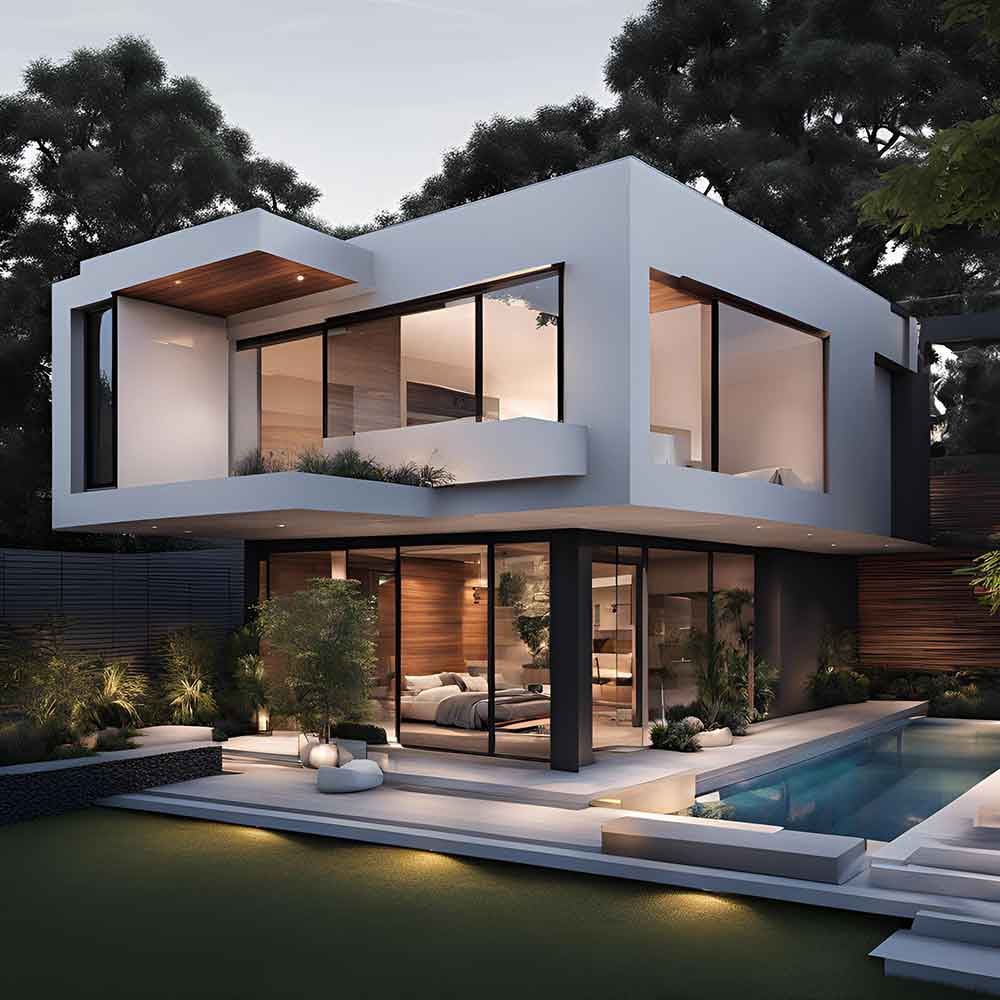
Architectural rendering is the process of creating realistic digital images of a proposed development before construction begins.
Depending on the project, this may include:
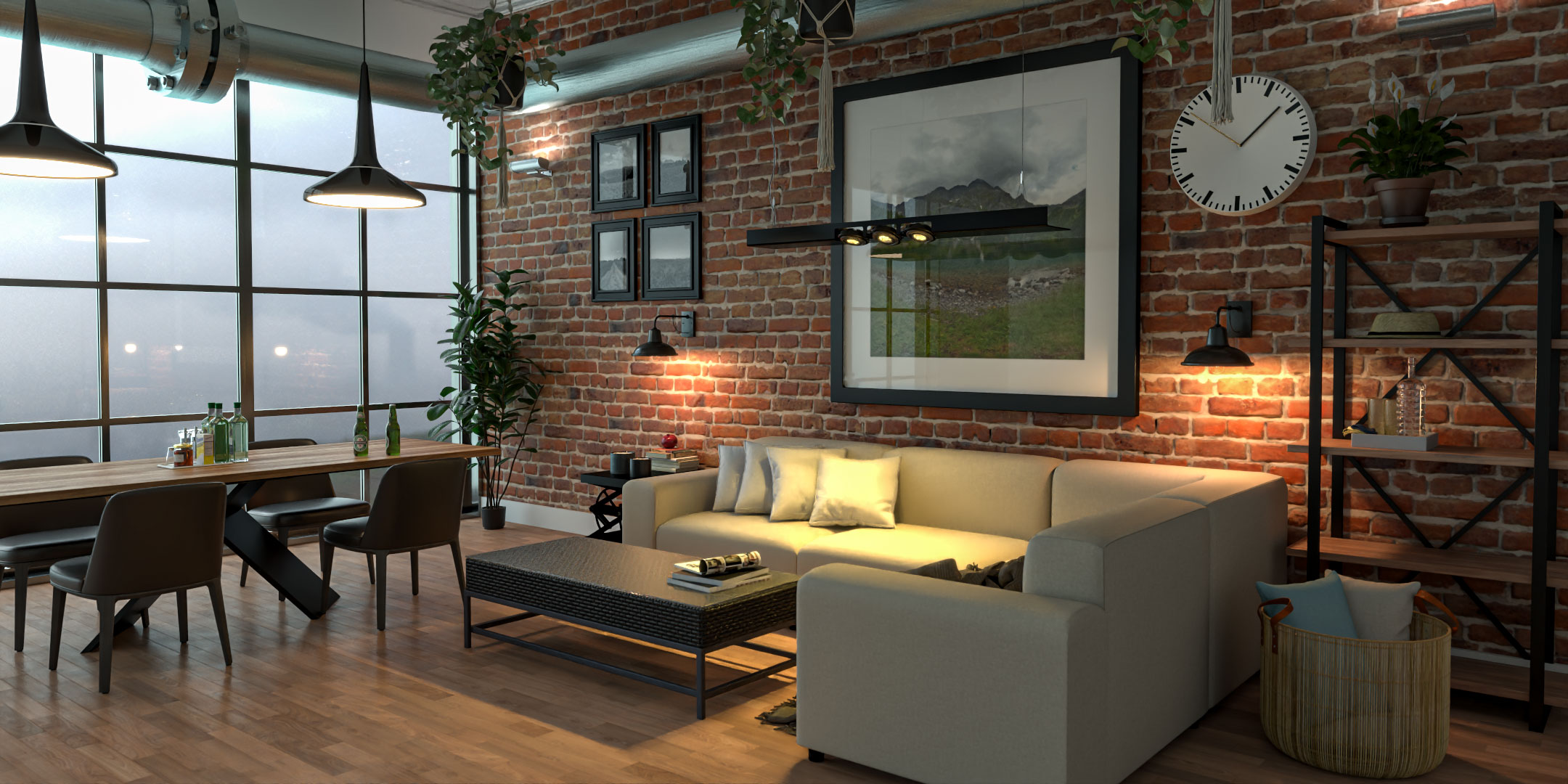
Exterior architectural renders
Interior visualisations
Aerial views
Street scene perspectives
360-degree renders
Animation walkthroughs
Virtual reality experiences
Each type of visualisation requires different levels of modelling, lighting, texturing, and post-production, all of which influence the overall cost.
Factors That Affect Architectural Rendering Costs
There is no single price for architectural rendering because every project is unique.
Several key factors influence the cost.
Project Size
Larger developments naturally require more modelling and visualisation work than smaller projects.
A single residential property will generally require less time than a large mixed-use development or commercial scheme.
Level of Detail
The amount of detail included within a render has a significant impact on production time.
Highly detailed scenes may include:
Complex landscaping
Bespoke materials
Furniture and accessories
People and vehicles
Realistic lighting
Surrounding buildings
Greater realism typically requires additional work.
Number of Images
Many developments require multiple viewpoints.
For example, a project may include:
Front elevation
Rear elevation
Street view
Garden perspective
Interior spaces
The more images required, the greater the overall production time.
Existing Project Information
Well-prepared architectural drawings and 3D models can reduce production time.
Incomplete or frequently changing design information may increase the amount of work required before rendering can begin.
Animation and Virtual Reality
Animations and VR experiences involve significantly more production than static renders.
These services require additional planning, optimisation, rendering, and testing, making them more time-intensive.
Why Quality Should Take Priority Over Cost
It can be tempting to choose the lowest quotation when comparing rendering services.
However, architectural visualisation is often one of the first impressions buyers, investors, and stakeholders receive.
Poor-quality renders can:
Reduce perceived project value
Misrepresent the design
Create confusion
Weaken marketing materials
High-quality visualisations communicate professionalism and help present developments in the best possible light.
Architectural Rendering as an Investment
Rather than viewing rendering purely as an expense, many developers see it as an investment.
Professional visualisation can help:
Support planning applications
Improve investor presentations
Enhance property marketing
Increase buyer confidence
Accelerate off-plan sales
The value generated often extends well beyond the cost of producing the imagery itself.
Choosing the Right Architectural Visualisation Studio
Price should never be the only consideration.
When selecting a visualisation partner, developers should also evaluate:
Portfolio quality
Industry experience
Attention to detail
Communication throughout the project
Ability to meet deadlines
Understanding of architectural design
A studio that understands both architecture and marketing is often better positioned to create visuals that communicate effectively.
Getting the Best Value
Developers can improve value by:
Providing accurate project information
Finalising designs before rendering begins
Defining the required viewpoints early
Maintaining clear communication throughout the project
Well-organised projects are generally more efficient to produce and help minimise unnecessary revisions.
The Future of Architectural Rendering
Rendering technology continues to evolve rapidly.
Advances in real-time rendering, artificial intelligence, and cloud computing are making visualisation more efficient while improving image quality.
Developers can now combine photorealistic renders with animation, interactive presentations, and virtual reality to create more engaging experiences for buyers and investors.
As these technologies continue to develop, architectural rendering will play an even greater role in property development across the UK.
Conclusion
Architectural rendering has become an essential investment for UK property developers seeking to communicate projects clearly, support planning applications, attract investors, and market developments effectively.
While costs vary depending on the size and complexity of each project, choosing high-quality visualisation services often delivers long-term value by improving communication, increasing buyer confidence, and strengthening marketing efforts.
At Luxe3D, we produce high-quality architectural renders, interior visualisations, animations, and virtual reality experiences tailored to each project's requirements. We work closely with architects, developers, and property professionals across the UK to create realistic visualisations that support planning, marketing, and sales while delivering exceptional value at every stage of the development process.