Architectural Visualisation in the UK: A Complete Guide for Developers and Architects
Why Architectural Visualisation Has Become Essential in the UK
Architectural visualisation has moved from a niche design tool to a core part of how buildings are planned, approved, and sold in the UK.
Developers now rely on it to communicate proposals clearly. Architects use it to reduce uncertainty. Planning consultants use it to support submissions.
In most modern projects, technical drawings alone are no longer enough.
Decision-makers want to see the outcome before construction begins.
This is where architectural visualisation becomes critical.
What Architectural Visualisation Actually Means
Architectural visualisation is the process of creating accurate digital representations of buildings before they are built.
These can include:
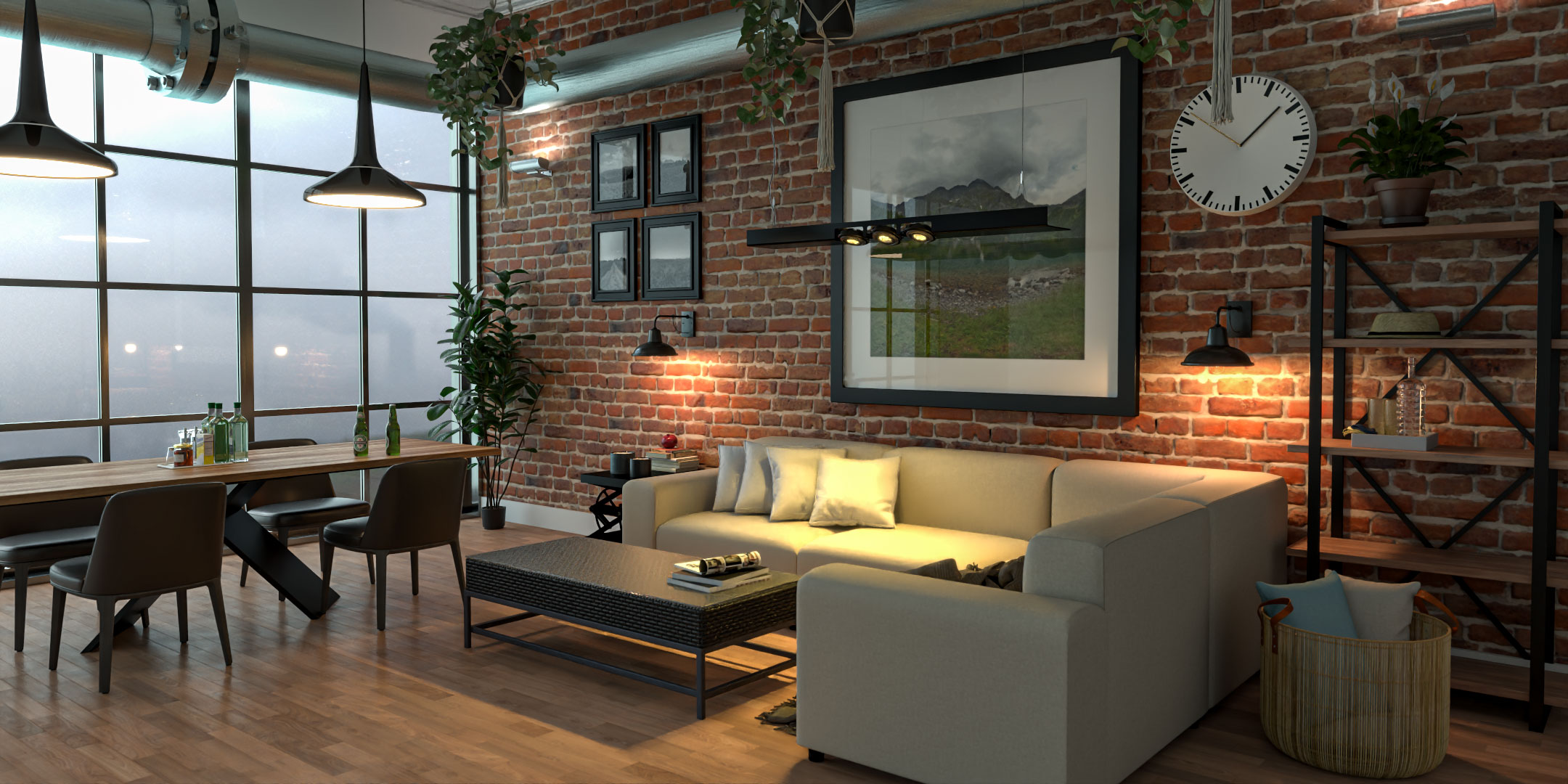
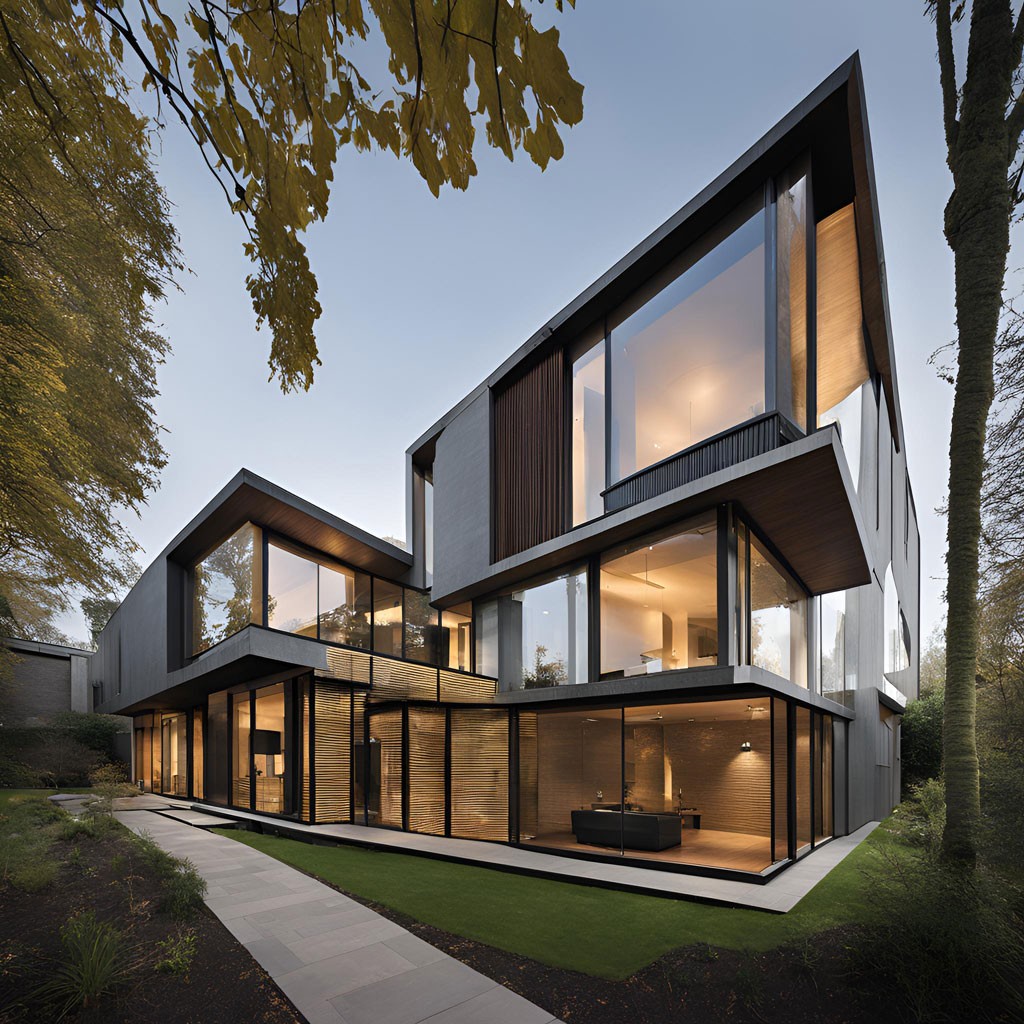
Exterior 3D renders
Interior visualisations
Site context modelling
360 degree views
Animation walkthroughs
Virtual reality experiences
Unlike traditional drawings, these outputs show how a space will actually look and feel.
Why It Matters in UK Property Development
The UK property market is highly competitive, especially in urban areas such as London, Manchester, and Birmingham.
Developers need to:
Secure funding earlier
Sell units before completion
Gain planning approval efficiently
Reduce design misinterpretation
Architectural visualisation supports all of these goals.
It removes ambiguity from the design process and replaces it with clarity.
The Role in Planning Applications
Local planning authorities increasingly review visual material alongside technical submissions.
High-quality visualisations help:
Communicate massing and scale
Show material context
Demonstrate environmental integration
Clarify design intent
While not always required, strong visuals often improve understanding during review.
How Developers Use Visualisation for Sales
Off-plan property sales depend heavily on perception.
Buyers are not purchasing a finished building. They are buying a concept.
Visualisation bridges that gap by showing:
Finished interiors
Lighting conditions
Spatial layout
Lifestyle positioning
This increases buyer confidence and accelerates decision-making.
Types of Architectural Visualisation Services in the UK
Exterior Rendering
Used for planning, marketing, and investor presentations.
Interior Rendering
Used for design approval and sales materials.
3D Animation
Used for storytelling and project walkthroughs.
Virtual Reality
Used for immersive client presentations and off-plan sales suites.
Why Quality Matters
Not all visualisation is equal.
Poor quality renders can damage credibility.
High-quality work enhances perception of value, professionalism, and feasibility.
This is especially important in premium developments.
The Future of Architectural Visualisation in the UK
The industry is moving toward:
real-time rendering
interactive 3D environments
VR-based design approval
AI-assisted modelling
In the next phase, clients will not just view designs. They will interact with them.
Conclusion
Architectural visualisation is now a fundamental part of UK development workflows.
It improves communication, supports decision-making, and enhances marketing effectiveness.
As the industry evolves, its importance will only continue to grow.
At Luxe3D, we provide high-quality architectural visualisation services for architects, developers, interior designers, and property professionals across the UK. From photorealistic renders and animations to immersive virtual reality experiences, we help bring unbuilt projects to life, making it easier to communicate ideas, support planning applications, and market developments with confidence.