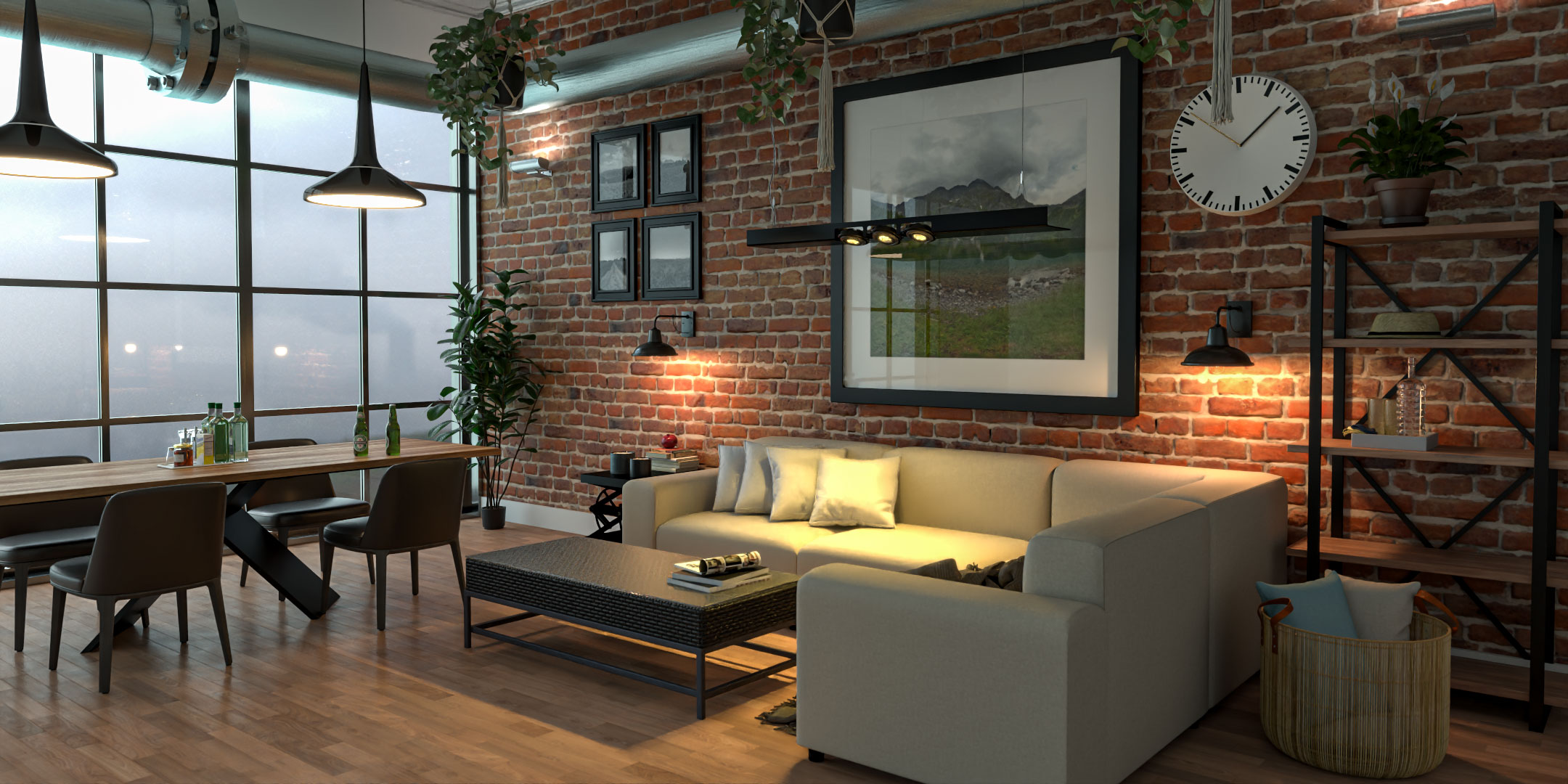
Why CGI Matters in Property Marketing Brochures
A property brochure has a simple job: make a development or property compelling enough for the reader to want to know more.
For completed properties, professional photography can provide this visual content.
For properties that are still being designed or constructed, however, photography may not exist yet.
This is where CGI becomes particularly valuable.
Professional architectural visualisation can create realistic images of proposed properties and developments, allowing developers, agents, architects, and marketing teams to present the finished vision before construction is complete.
When used correctly, CGI can transform a property brochure from a collection of technical information into a visually engaging marketing tool.
What Is CGI for Property Marketing?
CGI for property marketing involves creating computer-generated images that represent a proposed or existing property.
These visuals can include:
Exterior architectural renders
Interior visualisation
Aerial development views
Lifestyle imagery
Amenity spaces
Landscaping
Communal areas
Kitchens and bathrooms
360-degree renders
The imagery can then be incorporated into printed brochures, digital brochures, websites, property portals, presentations, and wider marketing campaigns.
Use CGI to Sell the Vision
The main advantage of CGI is its ability to show something that does not yet exist.
For an off-plan development, a potential buyer cannot photograph the completed property.
CGI can instead show:
The finished exterior
Apartment interiors
Kitchens
Bedrooms
Bathrooms
Gardens
Balconies
Communal spaces
Landscaping
This allows potential buyers to understand the intended result before construction is complete.
Choose the Right Images for the Brochure
A property brochure does not necessarily need every image available.
The strongest brochure usually combines a carefully selected set of visuals that communicate the most important aspects of the development.
A typical selection might include:
A strong hero exterior
One or more interior lifestyle views
A kitchen or key living space
A bedroom or premium interior
Landscaping or communal areas
An aerial or wider development view
The exact combination should reflect the property and its target audience.
Create a Strong Hero Image
The first major CGI image in a brochure often has the greatest visual impact.
A strong hero image should communicate the character and quality of the development immediately.
It should consider:
Camera position
Architectural composition
Lighting
Landscaping
Materials
Surrounding context
The image should make the reader want to continue exploring the brochure.
Show the Exterior in Context
A building can look very different when viewed in isolation compared with its actual surroundings.
Contextual exterior CGI can demonstrate how the development relates to:
Streets
Neighbouring buildings
Landscaping
Roads
Public spaces
Existing architecture
This can help potential buyers understand the setting rather than seeing only the building itself.
Use Interior Visualisation to Sell Lifestyle
Exterior CGI communicates architecture.
Interior visualisation can communicate how it feels to live in the property.
A well-produced interior render can show:
Furniture
Materials
Lighting
Kitchens
Bathrooms
Flooring
Joinery
Decorative finishes
The objective should be to create an aspirational but credible representation of the intended interior.
Show Premium Materials Clearly
For high-end property marketing, materials can be a major selling point.
CGI can highlight:
Natural stone
Timber
Bespoke joinery
Premium kitchens
High-quality flooring
Feature lighting
Decorative finishes
The visualisation should make these details visible without making the image appear artificial.
Use Consistent Visualisation Throughout the Brochure
Consistency is important when multiple CGI images are used.
The same development should maintain consistent:
Materials
Architectural details
Landscaping
Furniture
Lighting approach
Colour palette
A window that changes position between images or a kitchen that looks different from one render to another can undermine confidence in the project.
A consistent CGI package creates a much more professional presentation.
Consider the Target Buyer
CGI should be created with the intended audience in mind.
A luxury residential development may require sophisticated interiors, premium materials, landscaping, and carefully controlled lighting.
A family housing development may benefit from realistic gardens, communal areas, kitchens, bedrooms, and surrounding neighbourhood context.
A build-to-rent development may place greater emphasis on amenities, communal spaces, and lifestyle.
The visual language should support the market positioning of the property.
Make the CGI Photorealistic
High-quality CGI should look convincing enough that the viewer can understand the proposed property as a real environment.
Photorealism depends on several factors:
Accurate modelling
Realistic materials
Natural lighting
Appropriate reflections
Detailed environments
Correct proportions
Realistic landscaping
Good post-production
Photorealism should serve the marketing objective rather than becoming an end in itself.
Avoid Over-Stylisation
Property marketing CGI should be aspirational, but it should also remain credible.
Overly dramatic lighting, unrealistic furniture, exaggerated landscaping, or excessively polished materials can make a visualisation feel artificial.
The strongest property imagery generally balances aspiration with realism.
Potential buyers should be able to understand what they are actually being shown.
Include CGI for Key Selling Points
The brochure should use visualisation to highlight the property's strongest features.
For example, if the development includes:
A premium kitchen
Bespoke joinery
Large windows
Private gardens
Roof terraces
Luxury bathrooms
Communal amenities
these features should be represented visually wherever appropriate.
The CGI should support the written marketing message.
Think About Print Quality
CGI created for a website is not necessarily suitable for a high-quality printed brochure.
Before rendering, establish where the images will be used.
Consider:
Final dimensions
Resolution
Aspect ratio
Cropping
Print requirements
Digital requirements
Planning the images around their final application can avoid unnecessary re-rendering later.
Build a Flexible CGI Asset Library
A major advantage of professional CGI is that the same underlying project can produce multiple marketing assets.
Once the 3D model has been created, additional imagery may be produced for:
Brochures
Websites
Social media
Property portals
Digital advertising
Investor presentations
Sales suites
This can make the initial visualisation investment more valuable.
Use CGI Alongside Floor Plans
CGI and floor plans serve different purposes.
A floor plan communicates layout and dimensions.
CGI communicates appearance and atmosphere.
Using both within a property brochure provides a more complete understanding of the proposed property.
Potential buyers can see both how the space is organised and what it is intended to look like.
Consider 3D Walkthroughs and Interactive Content
Although traditional brochures are static, the same CGI project can support digital marketing.
3D walkthroughs can allow potential buyers to move through a proposed property.
360-degree imagery can provide interactive views.
Virtual reality can provide a more immersive experience for sales suites and presentations.
This creates opportunities to extend the visual experience beyond the printed brochure.
Be Clear About What Is CGI
Professional property marketing should be transparent about computer-generated imagery.
Where appropriate, brochures should make it clear when an image represents a proposed development rather than a completed property.
This helps set appropriate expectations and maintains trust with potential buyers.
Avoid Making CGI Misleading
The visualisation should accurately represent the proposed development.
Important elements such as building form, materials, landscaping, room layouts, and key architectural features should reflect the actual design.
CGI can present a property attractively without creating a representation that is materially different from what is being proposed.
Accuracy is particularly important for property marketing because buyers may rely on the visual information when assessing a development.
CGI for Luxury Property Brochures
Luxury property marketing places particular emphasis on presentation.
High-end brochures often use large, carefully composed CGI images to communicate the quality and atmosphere of the development.
Luxury visualisation can focus on:
Premium materials
Bespoke joinery
Architectural details
Sophisticated lighting
Landscaping
Furniture
Lifestyle
For premium developments, the quality of the CGI can become an important part of the property's visual identity.
CGI for Off-Plan Property Developments
Off-plan marketing is one of the strongest applications for architectural CGI.
Before construction, developers need to create a visual representation of the finished property.
CGI can help communicate:
The building exterior
Individual apartments
Interior specifications
Communal areas
Landscaping
Development context
This can support marketing campaigns before photography becomes possible.
Choosing a CGI Studio for Property Marketing
The visualisation studio should understand both architecture and marketing.
When reviewing potential providers, consider:
Portfolio quality
Architectural accuracy
Property marketing experience
Interior and exterior capability
Planning CGI experience
3D walkthrough capability
VR capability
Turnaround times
Revision process
Pricing
A studio that understands the commercial purpose of the imagery can help ensure that the CGI is not simply attractive, but useful.
How Luxe3D Supports Property Marketing
Luxe3D creates photorealistic architectural CGI for UK property developers, architects, interior designers, and property marketing professionals.
The service can include exterior architectural renders, interior visualisation, development CGI, landscaping, 3D walkthroughs, 360-degree renders, and virtual reality.
Because the underlying 3D environment can be developed around the wider project, visual assets can be created for different stages of the marketing campaign.
A developer may use exterior CGI for an initial brochure, interior visualisation for an off-plan sales campaign, and 3D walkthroughs or VR for a sales suite or digital marketing experience.
This provides a consistent visual representation of the development across multiple marketing channels.
Conclusion
CGI can be one of the most valuable visual assets in a property marketing brochure, particularly when the property has not yet been built.
The most effective approach is to use professional visualisation strategically: create strong hero imagery, show the property's key selling points, communicate interiors and exteriors, maintain consistency, and ensure that the CGI accurately represents the proposed development.
When combined with floor plans, written information, photography where available, and digital experiences such as 3D walkthroughs, CGI can form the visual foundation of a comprehensive property marketing campaign.
At Luxe3D, we create professional architectural CGI, interior visualisation, exterior renders, 3D walkthroughs, and VR experiences for UK property marketing. Whether you are preparing an off-plan brochure, launching a new development, marketing a luxury property, or creating an investor presentation, Luxe3D can produce the visual content needed to communicate the project clearly and professionally before construction is complete.