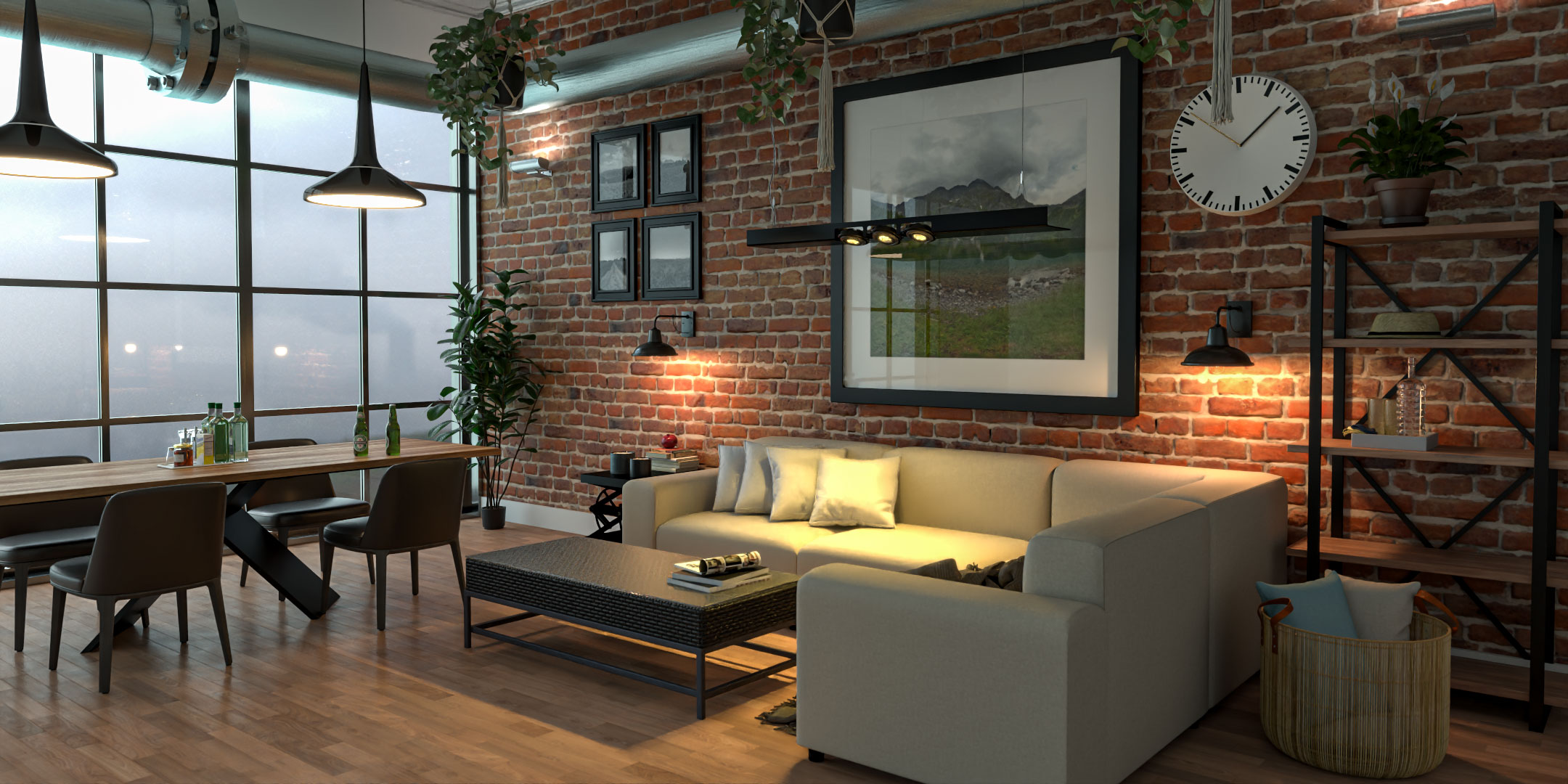
Why Exterior Rendering Matters
The exterior of a building creates the first impression.
Before a potential buyer visits a property, before an investor attends a presentation, or before a development is constructed, the exterior may already be influencing how the project is perceived.
Exterior architectural rendering provides a way to communicate that first impression before construction begins.
By combining accurate architectural modelling with realistic materials, lighting, landscaping, and surrounding context, professional CGI can show how a proposed building is intended to look when completed.
What Is Exterior Architectural Rendering?
Exterior architectural rendering is the creation of realistic digital images of proposed buildings and their surrounding environments.
These visualisations can show:
Houses
Apartment buildings
Commercial properties
Mixed-use developments
Extensions
Renovations
New-build developments
Landscaping and public realm
The render can be produced from different viewpoints, allowing the design to be presented from street level, within the site, or from a wider aerial perspective.
Capturing Curb Appeal Before Construction
Curb appeal is the visual attractiveness of a property when viewed from outside.
For a completed building, this can be experienced directly.
For a proposed development, however, potential buyers and stakeholders need to imagine the finished result.
Exterior CGI removes much of this uncertainty.
A realistic render can demonstrate:
Architectural style
Building proportions
Materials
Windows and doors
Roof design
Landscaping
Driveways
Boundary treatments
External lighting
This creates a much clearer impression of the completed property.
Showing Materials and Architectural Detail
The appearance of an exterior depends heavily on material selection.
Brick, stone, timber, render, metal, glass, and other finishes can create very different architectural characters.
Photorealistic rendering allows these materials to be presented within the complete building.
It can also demonstrate smaller details such as:
Window frames
Balustrades
Gutters
Fascias
Cladding
Entrance doors
Architectural features
This helps architects, developers, and clients assess how the different elements work together.
Visualising Landscaping
Landscaping is an important part of exterior presentation.
A building may have excellent architecture, but the surrounding landscape can significantly influence how the finished development is perceived.
Exterior CGI can incorporate:
Trees
Planting
Lawns
Hedges
Paving
Paths
Driveways
Garden furniture
Boundary treatments
This provides a more complete representation of the proposed property.
Creating Realistic Lighting Conditions
Lighting can dramatically affect the appearance of an exterior.
A daytime render can demonstrate materials and architectural details under natural light, while an evening visualisation can show external lighting and the atmosphere of the property after dark.
Developers and architects can use different lighting conditions to communicate different aspects of the design.
This can be particularly effective for luxury residential and hospitality projects.
Supporting Planning Applications
Exterior architectural rendering can also support the communication of proposed developments during the planning process.
Planning authorities and other stakeholders may need to understand how a new building will appear within its surroundings.
CGI can demonstrate:
Building height
Scale
Materials
Streetscape
Landscaping
Relationship with neighbouring properties
Visual impact
Planning CGI does not guarantee approval, but it can make a proposal easier to understand alongside architectural drawings and other planning documentation.
Helping Architects Communicate Design Intent
Architectural drawings are essential for communicating technical information.
However, a photorealistic exterior render can communicate the overall visual character of a building much more immediately.
Architects can use CGI to demonstrate their intentions for:
Form
Materials
Proportions
Landscaping
Context
Architectural character
This can make design presentations more accessible to clients and non-technical stakeholders.
Supporting Property Developers
For developers, exterior CGI is an important tool throughout the property lifecycle.
Visualisation can support:
Planning presentations
Investor presentations
Development websites
Property brochures
Sales campaigns
Off-plan marketing
Social media
The same project can therefore benefit from exterior visualisation from the early design stages through to commercial marketing.
Creating Stronger Off-Plan Marketing
Potential buyers cannot photograph a building that has not yet been constructed.
CGI provides the imagery needed to market the future property.
Exterior renders can show buyers:
The finished building
Entrances
Gardens
Balconies
Parking
Landscaping
Surrounding streets
This helps create a realistic expectation of the completed development.
Exterior CGI for Luxury Properties
Luxury properties often depend heavily on presentation.
Architecture, landscaping, lighting, materials, and surrounding context all contribute to the perception of quality.
High-end exterior CGI can bring these elements together to create a sophisticated representation of the proposed property.
This can be particularly useful for:
Luxury houses
Premium apartments
Private developments
Boutique hotels
High-end residential schemes
Using Multiple Perspectives
One exterior image rarely communicates everything about a development.
Different camera positions can reveal different aspects of the architecture.
For example, a project may benefit from:
Street-level views
Entrance views
Garden perspectives
Rear elevations
Aerial views
Wider contextual views
Selecting the right viewpoints ensures that important architectural and landscaping features are communicated effectively.
Going Beyond Static Exterior Renders
Modern property marketing can combine exterior CGI with immersive technologies.
A 3D walkthrough can demonstrate movement through the development, while 360-degree imagery and virtual reality can provide a more interactive experience.
For larger developments, these technologies can help investors and buyers understand how different buildings and spaces relate to one another.
Accuracy and Realism
A convincing exterior render requires more than attractive imagery.
The underlying architectural model needs to be accurate, while materials, landscaping, lighting, context, and camera positioning need to support the intended presentation.
The most effective architectural renders balance visual appeal with fidelity to the proposed design.
This is particularly important when CGI is being used for planning, client presentations, or property marketing.
The Future of Exterior Architectural Rendering
Exterior visualisation continues to evolve as rendering technology becomes more sophisticated.
Real-time rendering, virtual reality, interactive experiences, and AI-assisted workflows are creating new ways to present architecture before construction.
Developers and architects can increasingly allow clients, investors, and buyers to experience proposed buildings rather than simply viewing a single image.
Conclusion
Exterior architectural rendering provides a powerful way to communicate the appearance and character of a proposed building before it exists.
By combining accurate architecture with realistic materials, landscaping, lighting, and context, CGI can demonstrate curb appeal, support planning communication, strengthen property marketing, and help stakeholders understand the finished vision.
For property developers, architects, and designers, exterior visualisation can turn technical architectural information into an engaging and accessible representation of the future building.
At Luxe3D, we create photorealistic exterior architectural renders for UK architects, property developers, designers, and planning professionals. From individual residential projects to large developments, we combine accurate 3D modelling, realistic materials, landscaping, lighting, and contextual environments to create exterior visualisations that communicate the proposed architecture with clarity and impact.