Why Planning Applications Are Becoming More Challenging
Securing planning permission in the UK can be a complex and time-consuming process.
Planning officers, local authorities, neighbours, and stakeholders all need to understand exactly what is being proposed before a decision can be made. While architectural drawings and technical documents are essential, they are not always easy for non-technical audiences to interpret.
This is where architectural rendering has become increasingly valuable.
High-quality architectural visualisations can bridge the gap between technical design and public understanding, helping everyone involved see the proposal clearly and reducing uncertainty during the planning process.
Although no render can guarantee planning approval, architectural rendering can significantly improve how a project is communicated and understood.
What Is Architectural Rendering?
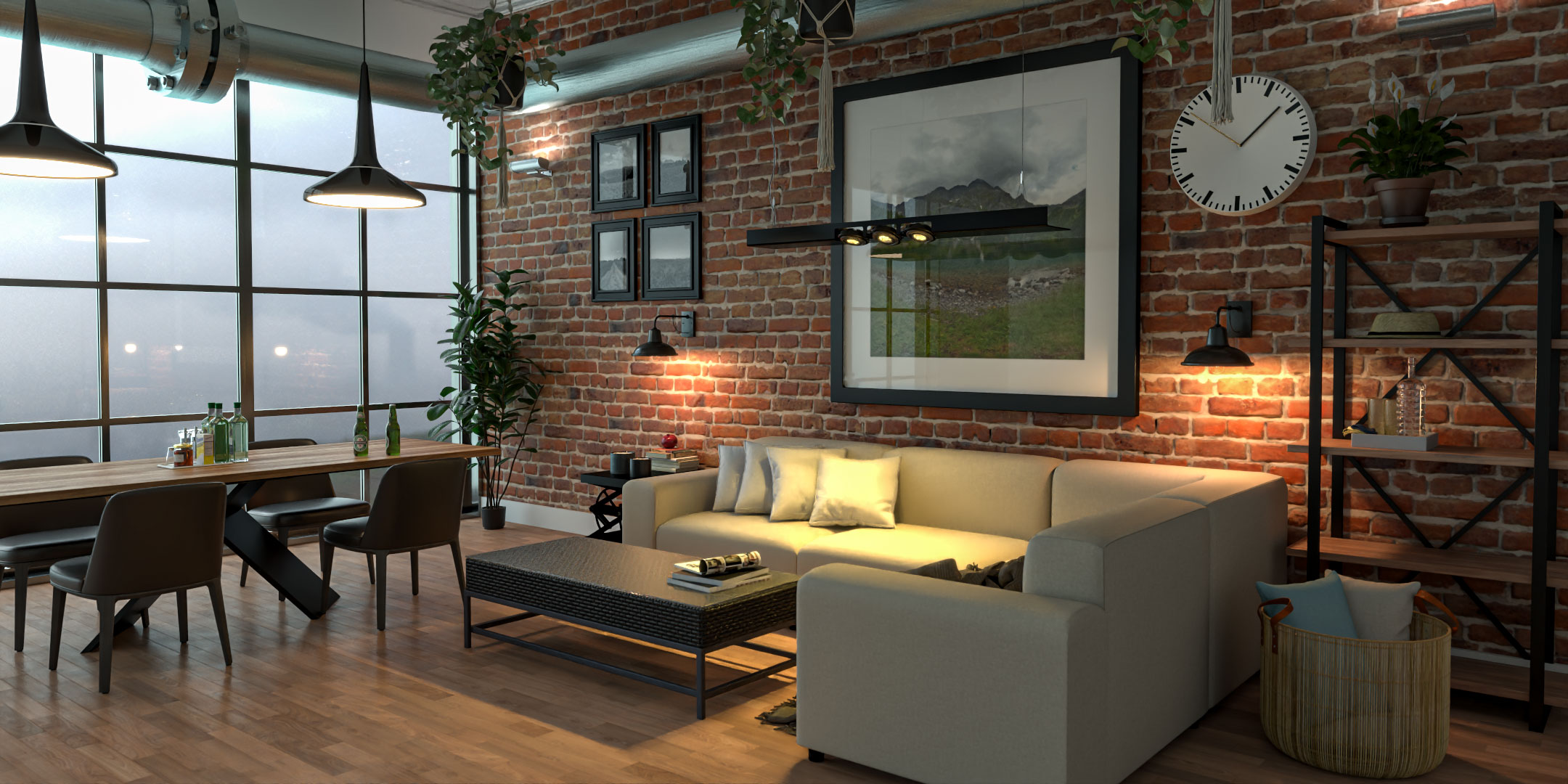
Architectural rendering is the process of creating realistic digital images of a proposed development before construction begins.
These visualisations can include:
Photorealistic exterior renders
Street scene visualisations
Aerial perspectives
Interior renders
Contextual site views
3D animations and walkthroughs
Unlike technical drawings, renders present a project in a way that is immediately understandable, even to someone with no architectural background.
Why Communication Matters in Planning Applications
One of the most common reasons planning applications face challenges is poor communication.
A local authority may have concerns about:
Building scale
Visual impact
Relationship with neighbouring properties
Materials and appearance
Landscaping proposals
Environmental integration
Neighbours may struggle to understand how a development will affect them.
Committee members may find it difficult to interpret complex drawings.
Architectural rendering helps remove much of this uncertainty by showing the proposal clearly and accurately.
Helping Planning Officers Understand the Proposal
Planning officers review a large number of applications every year.
The easier it is to understand a proposal, the more efficiently it can be assessed.
High-quality renders can help communicate:
Building proportions
Design intent
Material selections
Site relationships
Streetscape integration
A clear visual representation often makes it easier to explain the reasoning behind the design.
Demonstrating Scale and Context
Scale and context are frequently discussed during the planning process.
Questions often include:
Will the development feel too large?
Will it affect neighbouring properties?
How will it sit within the existing streetscape?
Contextual renders allow these questions to be explored visually.
By placing the proposed development within its real surroundings, decision-makers can better understand its impact on the local area.
Supporting Residential Planning Applications
Architectural rendering is particularly useful for residential developments, including:
Home extensions
New-build homes
Residential developments
Apartment schemes
Mixed-use projects
Homeowners often use renders to demonstrate how an extension will integrate with an existing property, while developers use them to communicate larger schemes more effectively.
Improving Public Consultation
Many developments require consultation with local communities.
Residents can sometimes oppose proposals simply because they do not fully understand what is being planned.
Visualisations make projects more accessible.
Instead of reviewing technical plans, local residents can see what the finished development is intended to look like.
This can encourage more informed discussions and reduce misunderstandings.
Presenting Material and Design Quality
Planning authorities increasingly place importance on design quality.
Architectural rendering can showcase:
External materials
Façade treatments
Landscaping
Lighting conditions
Architectural details
This allows the design team to demonstrate the thought and care that has gone into the proposal.
Reducing Misinterpretation
Technical drawings are essential, but they require experience to interpret correctly.
Renders provide immediate visual clarity.
This reduces the likelihood of:
Misunderstanding building scale
Confusion regarding appearance
Incorrect assumptions about neighbouring impacts
Questions relating to design intent
When everyone involved understands the proposal, discussions become far more productive.
Architectural Rendering Does Not Guarantee Approval
It is important to recognise that architectural rendering alone does not secure planning permission.
Planning decisions depend on numerous factors, including:
Local planning policy
Site constraints
Design quality
Environmental considerations
Highways and access
Heritage requirements
Neighbour amenity
However, strong visual communication can play a significant role in helping decision-makers understand the proposal more clearly.
Choosing the Right Architectural Visualisation Partner
When creating renders for planning applications, accuracy is essential.
Visuals should:
Reflect the proposed design accurately
Represent scale correctly
Use realistic materials
Present the site honestly
Overly exaggerated or misleading renders can damage credibility.
The most effective planning visuals are both realistic and technically accurate.
The Future of Planning Application Visualisation
Architectural visualisation continues to evolve rapidly.
Many projects now incorporate:
Interactive 3D models
Virtual reality experiences
Real-time rendering technology
Immersive presentations
As planning processes become increasingly digital, visual communication is likely to become even more important.
The ability to present developments clearly and accurately will continue to be a significant advantage for architects, developers, and property professionals throughout the UK.
Final Thoughts
Architectural rendering has become an invaluable tool for communicating planning proposals in the UK.
By helping planning officers, stakeholders, and local communities understand developments more clearly, high-quality visualisations can reduce uncertainty and improve the overall presentation of a planning application.
While renders cannot guarantee approval, they can significantly improve how a proposal is perceived and understood.
At Luxe3D, we create accurate and photorealistic architectural visualisations that help architects, developers, and homeowners communicate their proposals with clarity and confidence. Whether you require planning application visuals, exterior renders, interior visualisations, or immersive experiences, we help bring unbuilt projects to life and support better decision-making throughout the planning process.