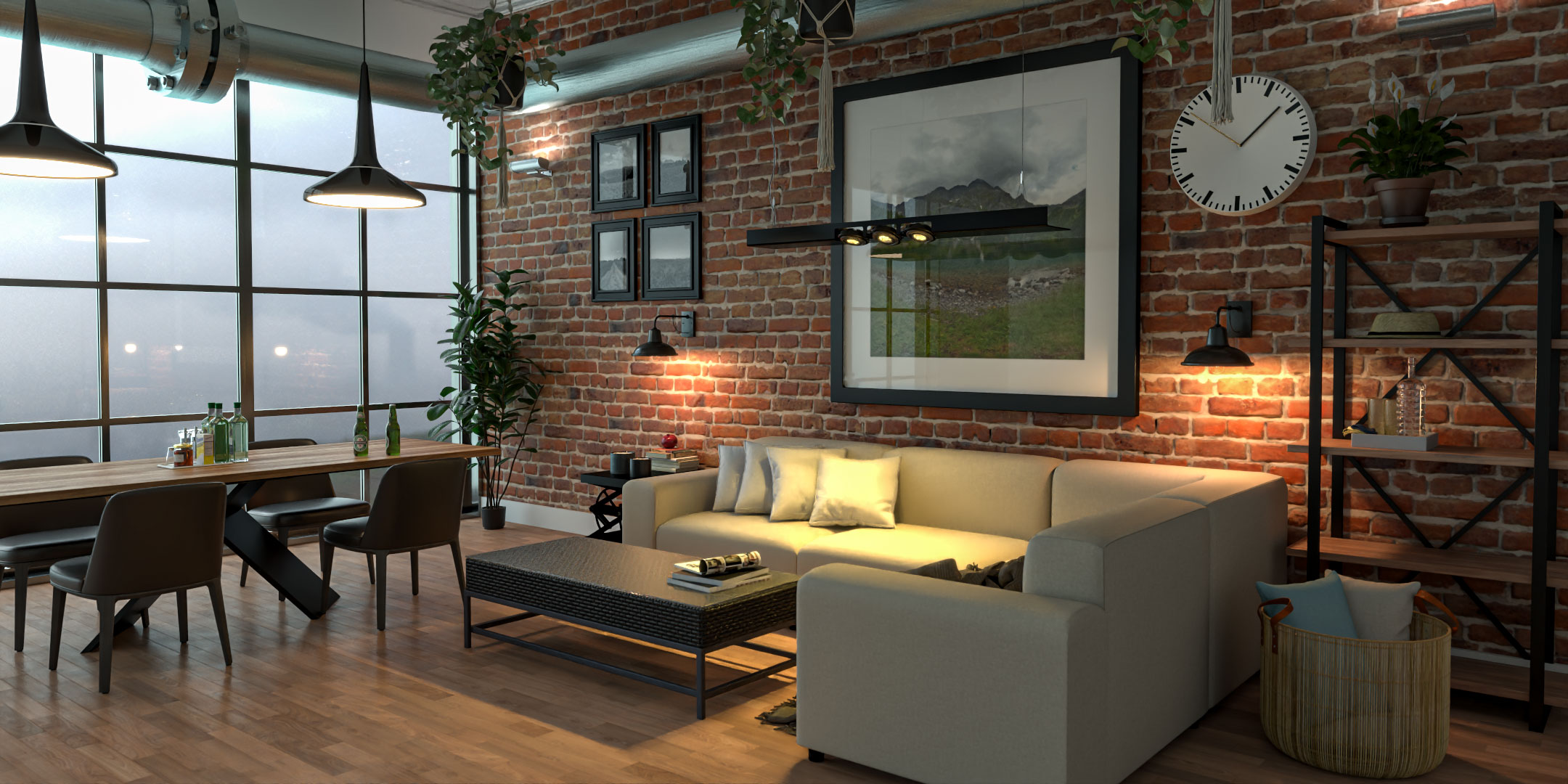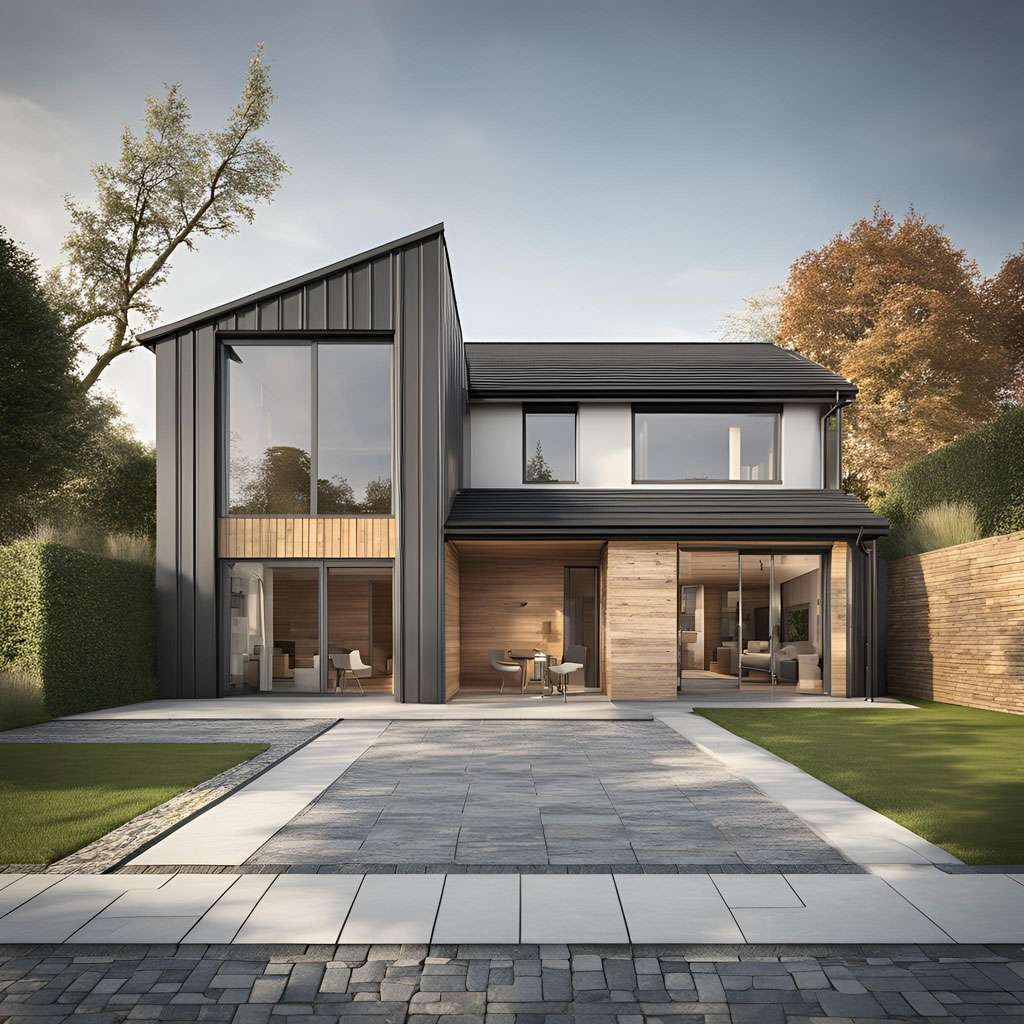
In the competitive real estate market, 3D rendering and CGI have emerged as pivotal tools for driving sales success. High-quality visualizations enable potential buyers and investors to envision the full potential of a property, enhancing both marketing strategies and client engagement. At Luxe3D.co.uk, we specialize in creating stunning, detailed 3D renderings that elevate your real estate offerings, positioning your properties to stand out in a crowded market. This article explores the significant role that commercial building renderings play in revolutionizing real estate sales, supported by advancements in 3D rendering technology, strategic marketing, and client feedback.
How High-Quality 3D Rendering Helps Drive Real Estate Sales
The real estate industry has changed significantly over the last decade. Buyers, investors, and developers increasingly expect to see realistic visual representations of projects before construction begins.
As a result, 3D rendering has become one of the most important tools in modern property marketing.
From residential developments to commercial buildings, high-quality CGI allows projects to be presented with clarity, realism, and visual impact long before completion.
Why 3D Rendering Matters in Real Estate
Traditional plans, elevations, and technical drawings provide important information, but many people struggle to visualise how a finished property will actually look.
3D rendering bridges this gap by transforming architectural plans into realistic images that communicate design intent immediately.
Benefits include:
Easier understanding of proposed developments
Improved communication between stakeholders
Better investor engagement
Stronger marketing materials
Faster decision-making
For developers and architects, this often means generating interest before construction begins.
What Are Commercial Building Renderings?
Commercial building renderings are computer-generated images that show how a future development will appear once completed.
These visualisations can include:
Office buildings
Retail developments
Apartment complexes
Mixed-use projects
Hotels
Industrial facilities
Modern CGI can accurately represent:
Building materials
Lighting conditions
Landscaping
Interior spaces
Surrounding environments
This allows investors, planners, and potential buyers to understand the project in a realistic context.
Supporting Pre-Construction Sales
One of the biggest advantages of architectural visualisation is its ability to support off-plan and pre-construction sales.
When physical buildings do not yet exist, high-quality renders often become the primary marketing asset.
Potential buyers can evaluate:
Property appearance
Layout and design
Exterior finishes
Interior environments
Development scale
This helps reduce uncertainty and increases buyer confidence.
Many successful developments begin securing enquiries and reservations months before construction is complete through the use of professional CGI.
Improving Property Marketing
Visual content plays a major role in property marketing performance.
Listings with strong imagery generally attract more attention than those relying solely on drawings or written descriptions.
High-quality renders can be used across:
Property websites
Brochures
Social media campaigns
Investor presentations
Planning submissions
Advertising campaigns
Because the imagery is created digitally, visuals can be produced long before photography becomes possible.
Communicating Complex Designs
Large developments often involve complicated architectural concepts that can be difficult to explain using technical plans alone.
3D visualisation helps communicate:
Building proportions
Public spaces
Landscaping
Access routes
Interior layouts
Design intent
This makes discussions more productive between:
Architects
Developers
Investors
Planning authorities
Marketing teams
Clear visual communication often reduces misunderstandings and helps projects progress more efficiently.
The Evolution of Architectural CGI
Rendering technology has advanced significantly in recent years.
Modern rendering engines can produce highly realistic images featuring:
Accurate lighting simulations
Realistic reflections
Advanced materials
Environmental effects
Photorealistic textures
Software commonly used within the industry includes:
V-Ray
Corona Renderer
Unreal Engine
Lumion
Twinmotion
Blender Cycles
These technologies allow architectural visualisations to closely resemble real-world photography.
The Growing Role of Virtual Reality
Virtual Reality (VR) is becoming increasingly important within property development and architectural marketing.
By combining VR with 3D rendering, developers can provide interactive experiences that allow users to explore spaces before construction.
Potential applications include:
Property walkthroughs
Apartment tours
Office space demonstrations
Investor presentations
Design reviews
Rather than viewing a single image, users can experience the scale and flow of a development in an immersive environment.
Better Online Property Listings
Most property searches now begin online.
Because buyers often form their first impression within seconds, visual quality can significantly influence engagement.
High-quality CGI helps online listings by:
Increasing visual appeal
Improving user engagement
Communicating design quality
Presenting future developments clearly
For off-plan developments, CGI is often the only way to showcase the finished vision before construction is complete.
Using CGI Across Multiple Marketing Channels
One major advantage of 3D rendering is flexibility.
A single architectural model can generate content for multiple marketing channels.
Examples include:
Exterior renders
Interior renders
Aerial views
Video walkthroughs
Virtual reality experiences
Interactive presentations
This allows developers to maintain consistent branding and messaging across different platforms.
What Makes an Effective Architectural Render?
Successful property visualisation is not simply about producing attractive images.
The most effective renders combine:
Accuracy
The design should accurately reflect the proposed development.
Realism
Materials, lighting, and scale should feel believable.
Composition
Camera angles should showcase the most important aspects of the project.
Context
The surrounding environment should help viewers understand how the development fits within its location.
Target Audience Focus
Different visuals may be required for:
Investors
Home buyers
Commercial tenants
Planning authorities
Understanding the intended audience improves the effectiveness of the final imagery.
How We Approach Real Estate Visualisation at Luxe3D
At Luxe3D, architectural visualisation is used to help clients communicate designs more effectively and market developments with confidence.
Projects are developed using detailed modelling, realistic materials, accurate lighting, and carefully planned camera compositions.
The goal is not simply to create attractive images, but to produce visual content that supports decision-making, marketing, and project communication throughout the development process.
Summary
High-quality 3D rendering has become an essential tool in modern real estate marketing.
It helps developers, architects, and investors:
Visualise projects before construction
Improve communication
Support pre-construction sales
Enhance online marketing
Create immersive virtual experiences
Present developments with greater clarity
As rendering technology continues to advance, architectural CGI is becoming an increasingly valuable part of property development, planning, and marketing strategies.