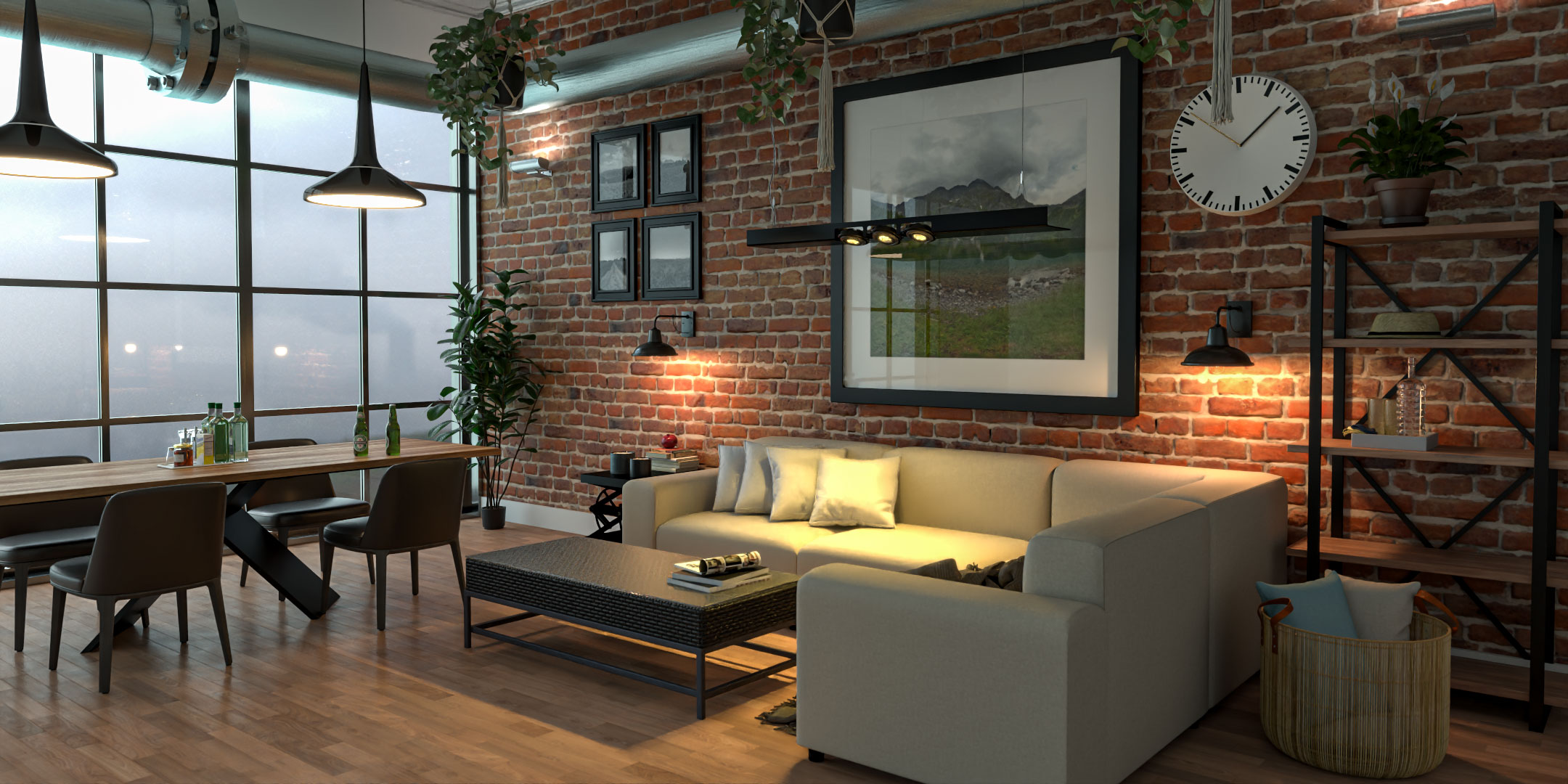
Why Off-Plan Property Sales Require Better Visualisation
Selling a property before it has been built has always presented a challenge.
Buyers are often expected to make significant financial commitments based on floor plans, brochures, and a handful of marketing images. While these materials can communicate important information, they rarely provide a complete understanding of the future property.
In a competitive market such as London, where buyers have numerous options and expectations are high, developers need more effective ways to present their projects.
This is where VR walkthroughs are changing the sales process.
By allowing buyers to experience a property before construction is complete, virtual reality is helping developers create stronger engagement, build confidence, and accelerate decision-making.
What Is a VR Walkthrough?
A VR walkthrough is an immersive digital experience that allows users to explore a property within a virtual environment.
Using a VR headset or interactive platform, buyers can:
Walk through rooms
Explore layouts at full scale
View finishes and materials
Experience lighting conditions
Understand the flow between spaces
Instead of imagining the finished development, buyers can experience it as if it already exists.
Why London Developers Are Embracing VR
London remains one of the most competitive property markets in the world.
Developers must often secure interest and sales long before construction is complete.
At the same time, buyers have become increasingly demanding when evaluating developments.
Virtual reality provides a way to bridge the gap between concept and reality.
By creating immersive experiences, developers can communicate their vision more effectively and stand out in a crowded marketplace.
Helping Buyers Understand Space
One of the biggest challenges in off-plan sales is helping buyers understand scale and layout.
Floor plans provide dimensions, but they do not always communicate how a space feels.
VR walkthroughs allow buyers to:
Experience room proportions
Understand circulation routes
Evaluate furniture layouts
Visualise everyday living
This level of understanding can significantly improve buyer confidence.
Building Emotional Connections
Property purchases are not based solely on logic.
Emotional engagement often plays a major role in the decision-making process.
When buyers can virtually walk through a future home, they begin to imagine themselves living there.
This emotional connection is far stronger than what can typically be achieved through static images alone.
As a result, VR often helps create deeper engagement with a development.
Supporting International Buyers
London attracts buyers from around the world.
Many international investors and purchasers cannot visit developments in person during the early stages of a project.
VR walkthroughs provide a practical solution.
Potential buyers can explore a property remotely while gaining a realistic understanding of the space.
This improves accessibility and helps developers market projects to a wider audience.
Accelerating Sales Decisions
The more clearly a buyer understands a property, the easier it becomes to make informed decisions.
VR reduces uncertainty by providing a realistic representation of the completed development.
This can help shorten the sales process by:
Reducing questions about layout
Clarifying design details
Improving understanding of space
Increasing confidence in the purchase
For developers, this can translate into stronger sales performance during pre-construction phases.
Enhancing Marketing and Sales Suites
Many London developments now integrate VR into their marketing strategy.
Virtual reality can be used within:
Sales suites
Property exhibitions
Investor presentations
Digital marketing campaigns
Online property showcases
When combined with architectural rendering and animation, VR creates a more comprehensive and engaging buyer experience.
Differentiating Developments in a Competitive Market
Property developers are constantly looking for ways to differentiate their projects.
VR demonstrates innovation and professionalism while providing practical value to buyers.
Developments that offer immersive experiences often leave a stronger impression than those relying solely on traditional marketing materials.
This can be particularly beneficial in competitive urban markets where attracting attention is increasingly difficult.
The Future of VR in London Property Sales
Virtual reality technology continues to evolve rapidly.
Emerging developments include:
Real-time property customisation
Cloud-based VR experiences
Interactive sales platforms
Multi-user virtual viewings
Integration with augmented reality
As these technologies become more accessible, immersive experiences are expected to become a standard part of property marketing.
The developers who adopt them early are likely to gain a competitive advantage.
Conclusion
VR walkthroughs are transforming how off-plan property developments are marketed and sold throughout London.
By allowing buyers to experience properties before construction is complete, virtual reality improves understanding, strengthens emotional engagement, and increases confidence in purchasing decisions.
As buyer expectations continue to evolve, immersive technology is becoming an increasingly important tool within the property development sector.
At Luxe3D, we create immersive VR walkthroughs, architectural visualisations, and interactive property experiences that help developers present off-plan projects with clarity and impact. By transforming designs into engaging virtual environments, we help buyers, investors, and stakeholders understand developments before they are built, supporting stronger marketing and more effective sales strategies.