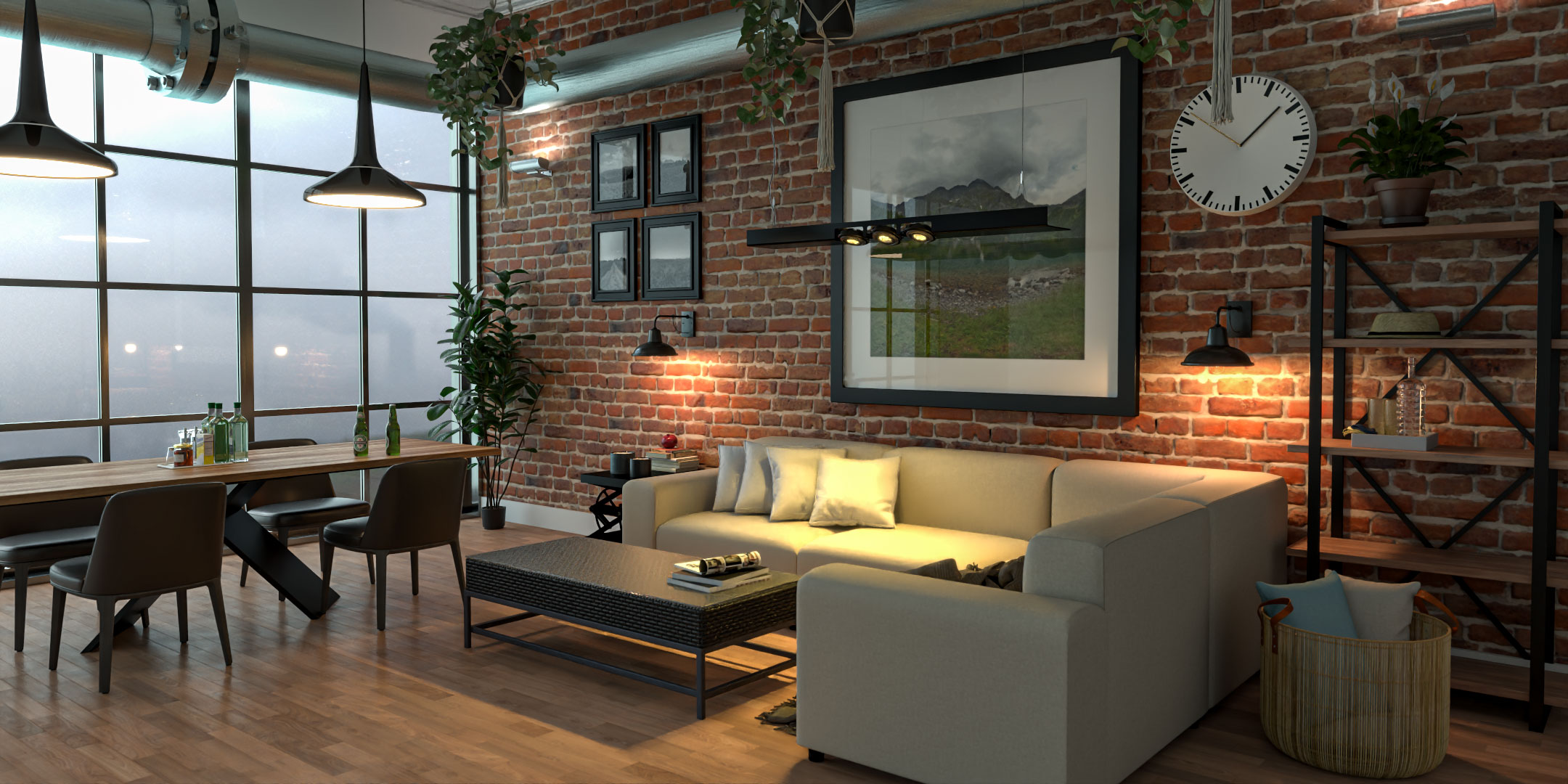
The Evolution of Property Visualisation
Property marketing has traditionally relied on floor plans, photography, brochures, and static architectural renders to communicate the qualities of a development.
These remain valuable tools, but property buyers and investors increasingly expect more engaging ways to understand a space.
Immersive property visualisation goes beyond presenting a single image. It allows people to explore, experience, and understand a property before it physically exists.
For developers, architects, and property professionals, this creates new opportunities to communicate design intent, generate interest, and support property sales.
What Is Immersive Property Visualisation?
Immersive property visualisation uses advanced digital technology to create realistic and interactive representations of proposed properties and developments.
It can include:
3D walkthroughs
Virtual reality experiences
360-degree renders
Interactive property tours
Photorealistic architectural renders
Interactive presentations
Rather than showing only one carefully selected viewpoint, immersive visualisation allows users to experience a much greater portion of the proposed environment.
Why Static Images Are Not Always Enough
A high-quality architectural render can communicate a remarkable amount of information.
However, it represents a single viewpoint.
A buyer may still have questions about how rooms connect, how large a space feels, or how they would move through the property.
Immersive visualisation addresses these limitations by allowing users to explore the development from different perspectives.
This can provide a stronger understanding of:
Spatial relationships
Room layouts
Circulation
Scale
Materials
Lighting
Interior atmosphere
3D Walkthroughs: Exploring the Property
3D walkthroughs provide a controlled journey through a digital representation of a property.
They can guide potential buyers through a home, apartment, commercial space, or wider development.
A walkthrough can demonstrate:
Entrance sequences
Living areas
Kitchens
Bedrooms
Bathrooms
Communal spaces
Outdoor areas
This makes the experience more engaging than viewing a collection of unrelated images.
Virtual Reality: Experiencing Space at Full Scale
Virtual reality takes immersive property visualisation further.
Using a VR headset, a user can enter a digital representation of the proposed property and experience the environment from within.
This can be particularly effective for developments that are still at the planning or construction stage.
Potential buyers and investors can experience spaces that may not physically exist for several months or years.
360-Degree Property Visualisation
360-degree renders provide another way to create immersive experiences.
Users can look around a complete digital environment rather than being restricted to a single camera angle.
This can be useful for:
Interior spaces
Show homes
Hotel rooms
Commercial developments
Residential schemes
Exterior environments
360-degree visualisation can also be integrated into online marketing platforms, allowing potential buyers to explore spaces remotely.
Creating an Emotional Connection
Property is not simply a collection of dimensions and specifications.
Buyers want to understand what it will feel like to live, work, or spend time in a space.
Immersive visualisation can communicate atmosphere in ways that technical drawings cannot.
Lighting, materials, furniture, landscaping, and spatial relationships can work together to create a realistic representation of the proposed experience.
This helps buyers move from understanding a property to imagining themselves within it.
Supporting Off-Plan Property Sales
Off-plan property sales present a significant visual communication challenge.
The finished building is not available for potential buyers to visit.
Developers therefore need to communicate a future environment using digital content.
Immersive visualisation provides a powerful solution by allowing buyers to explore the proposed property before construction is complete.
This can help communicate:
Design quality
Layout
Finishes
Lifestyle
Development amenities
Surrounding environment
Engaging Investors and International Buyers
Immersive property visualisation can also support investor presentations.
International investors, in particular, may not be able to visit a development during its early stages.
A virtual experience allows them to explore the project remotely and develop a clearer understanding of the proposed development.
This can be particularly valuable for luxury residential schemes, large developments, and projects targeting overseas investment.
Supporting Architects and Developers
Immersive visualisation is not limited to sales and marketing.
It can also support the design process.
Architects and developers can use immersive experiences to review:
Spatial proportions
Material choices
Interior layouts
Circulation
Lighting
Landscaping
Experiencing a design digitally can reveal issues or opportunities that may not be immediately apparent in plans or static imagery.
Combining Different Visualisation Formats
The most effective property marketing strategies do not necessarily rely on one type of visualisation.
Different formats can work together.
For example:
Photorealistic renders can attract attention and communicate design quality.
3D walkthroughs can demonstrate spatial flow and guide users through the property.
360-degree renders can provide broader perspectives.
Virtual reality can create a fully immersive experience.
Using the appropriate format for each stage of the customer journey can create a more complete marketing experience.
The Role of Immersive Visualisation in Modern Marketing
Digital property marketing is becoming increasingly visual and interactive.
Potential buyers can now research developments from anywhere, compare properties online, and experience spaces before arranging a physical viewing.
Immersive visualisation gives developers the opportunity to provide more information earlier in the buying journey.
It can be used across:
Development websites
Sales suites
Property exhibitions
Investor presentations
Digital campaigns
Social media
International marketing
The Future of Property Visualisation
Technology will continue to expand what is possible.
Real-time rendering, virtual reality, interactive environments, artificial intelligence, and digital twins are likely to create increasingly sophisticated ways to experience property before construction.
The distinction between viewing a property and experiencing it digitally will continue to become less pronounced.
For developers and property marketers, this represents an opportunity to communicate developments with greater clarity and create stronger connections with potential buyers.
Conclusion
Immersive property visualisation goes beyond static images by allowing people to explore and experience proposed developments rather than simply looking at them.
From 3D walkthroughs and 360-degree renders to virtual reality experiences, these technologies help buyers, investors, architects, and developers understand properties in greater depth.
As off-plan property marketing becomes increasingly competitive, immersive visualisation provides developers with a powerful way to communicate design, build confidence, and present future properties before they physically exist.
At Luxe3D, we create photorealistic architectural visualisations, interior renders, 3D walkthroughs, 360-degree experiences, and virtual reality solutions for UK architects, developers, and property professionals. By combining realistic imagery with immersive technology, we help clients present properties beyond static images and create digital experiences that engage buyers, investors, and stakeholders from the earliest stages of a project.