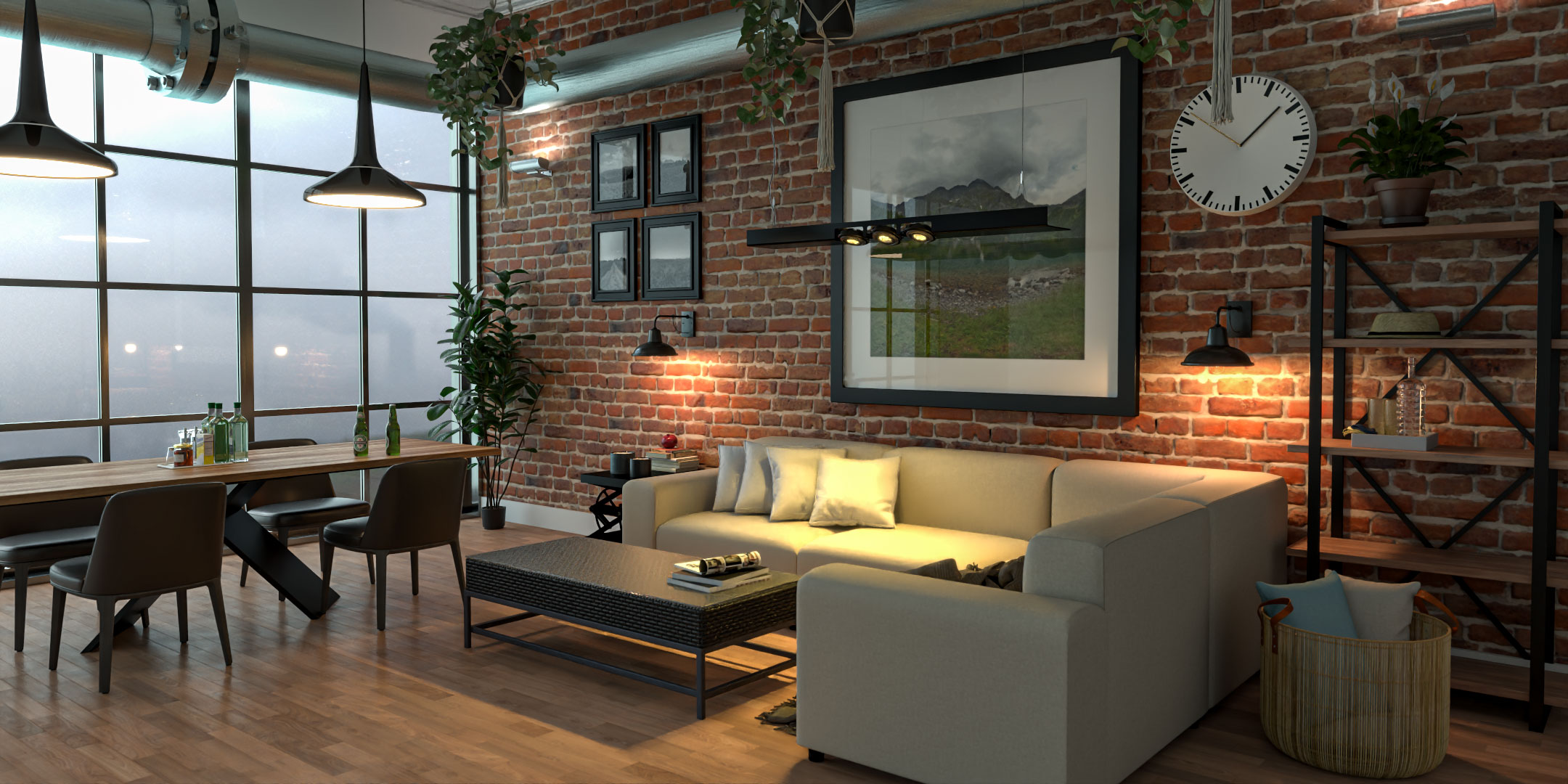
The Challenge of Presenting Property Before It Exists
Property investment decisions often need to be made long before a development is completed.
Developers may have architectural drawings, financial projections, planning information, and market research, but investors still need to understand what the finished development will actually look and feel like.
This is where interactive VR property tours can provide a significant advantage.
Virtual reality allows investors to step inside a proposed development digitally, explore its spaces, and experience the design before construction is complete.
What Is an Interactive VR Property Tour?
An interactive VR property tour is an immersive digital representation of a property or development that allows users to explore the space using virtual reality technology.
Rather than viewing a series of static images, investors can move through the development and examine different areas from their own perspective.
A VR property tour can showcase:
Apartments and houses
Commercial spaces
Communal areas
Reception areas
Amenities
Landscaping
External environments
Development layouts
This creates a much deeper understanding of the proposed project.
Turning Architectural Plans into Experiences
Architectural drawings provide essential technical information, but they can be difficult for non-specialists to interpret.
Investors may understand dimensions and floor plans but still struggle to visualise the finished development.
VR changes the way this information is presented.
Instead of interpreting a plan, investors can experience the proposed environment directly.
They can understand:
Scale
Spatial relationships
Room layouts
Circulation
Interior finishes
Overall atmosphere
This makes complex developments significantly easier to understand.
Creating Stronger Investor Engagement
Investment presentations need to capture attention quickly.
A conventional presentation may contain financial projections, market data, architectural drawings, and photographs.
An interactive VR experience provides something different.
Investors can actively explore the proposed development rather than simply receiving information about it.
This creates a more memorable presentation and encourages deeper engagement with the project.
Demonstrating Development Quality
Investors need to understand the quality and positioning of a proposed development.
A carefully produced VR experience can showcase:
Architectural design
Interior quality
Material selections
Landscaping
Amenities
Public spaces
This helps communicate the intended standard of the development and how it is expected to position itself within the market.
Supporting Off-Plan Investment
VR is particularly valuable when a development is still at the planning or construction stage.
There may be no completed building for investors to visit.
An interactive VR property tour effectively creates a digital version of the future development.
This can help investors understand the opportunity before physical construction provides anything tangible to experience.
Helping International Investors
UK property developments often attract investors who are not based locally.
International investors may not be able to visit a development site easily, particularly during the early stages of a project.
VR provides an opportunity to experience the proposed property remotely.
A developer can present the same immersive experience to investors in different countries without requiring them to travel to the site.
Supporting Different Types of Property
Interactive VR property tours can be used across a wide range of developments, including:
Residential developments
Luxury homes
Apartment schemes
Mixed-use developments
Hotels
Commercial property
Student accommodation
Build-to-rent projects
The technology can be adapted to the scale and objectives of each development.
Combining VR with Other Visualisation
VR does not need to replace traditional architectural visualisation.
The most effective property marketing strategies can combine multiple formats.
These may include:
Photorealistic architectural renders
Interior visualisations
3D walkthroughs
360-degree renders
Interactive VR tours
Static imagery can attract attention, while immersive experiences provide a deeper understanding of the project.
Supporting Investment Decisions
VR cannot replace financial analysis, market research, due diligence, or professional investment advice.
Its role is to improve how clearly the physical development is communicated.
By allowing investors to experience the proposed property before completion, VR can help them better understand the relationship between the design, market positioning, and overall development vision.
The Future of Investor Presentations
As virtual reality technology becomes increasingly accessible, immersive presentations are likely to become more common within property development.
Investors are increasingly comfortable interacting with digital environments, and developers have more sophisticated tools available for presenting projects before construction.
The combination of VR, real-time rendering, and interactive property experiences will continue to change how future developments are presented.
Conclusion
Interactive VR property tours provide property developers with a powerful way to engage investors before a development physically exists.
By allowing investors to explore proposed spaces, understand scale and design, and experience the intended quality of a project, VR can transform a conventional property presentation into a much more engaging experience.
For developers seeking investment, particularly for complex, high-value, or off-plan projects, immersive visualisation can provide an effective way to communicate the opportunity and create stronger engagement.
At Luxe3D, we create interactive VR property experiences, photorealistic architectural visualisations, interior renders, and 3D walkthroughs for UK property developers, architects, and property professionals. Our immersive solutions help investors experience developments before construction is complete, providing a clearer understanding of the design, quality, and potential of each project.