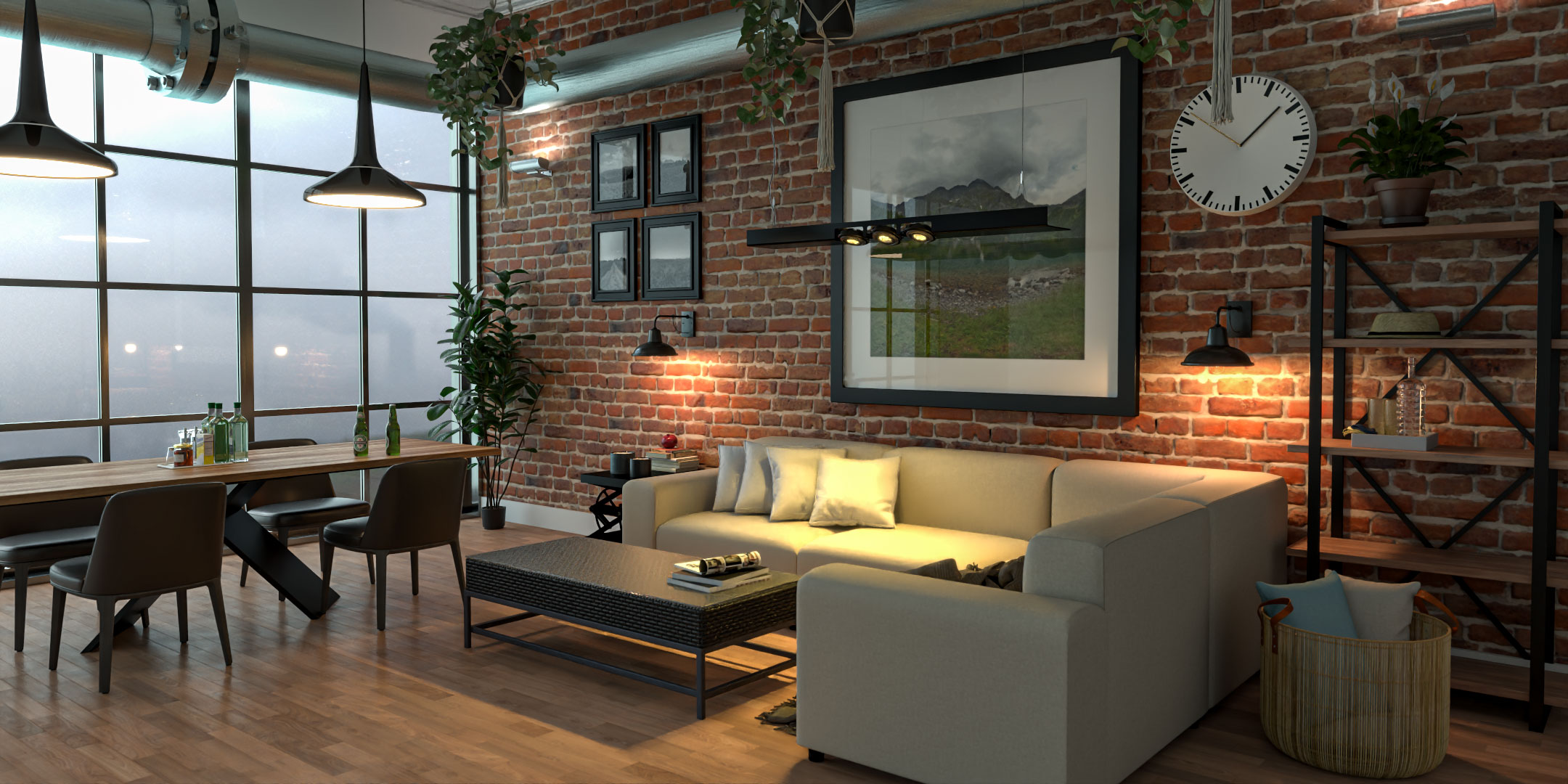
Why Photorealistic Visualisation Matters in High-End Interiors
High-end interior design depends on detail.
From carefully selected materials and bespoke joinery to architectural lighting, furniture, finishes, and decorative elements, every component contributes to the overall character of a luxury space.
Communicating this level of detail before construction can be challenging.
Photorealistic interior visualisation provides a way to present the complete design with exceptional realism, allowing clients, designers, developers, and property professionals to experience a proposed interior before it becomes physical.
What Is Photorealistic Interior Visualisation?
Photorealistic interior visualisation is the creation of highly realistic digital representations of proposed interior spaces.
Unlike conceptual imagery, the objective is to represent the intended design as convincingly as possible.
A professional visualisation can communicate:
Materials and textures
Furniture and accessories
Bespoke joinery
Architectural details
Lighting
Colour schemes
Flooring
Wall finishes
Spatial proportions
This allows the viewer to understand the complete interior rather than interpreting individual design elements separately.
Bringing Luxury Materials to Life
High-end interiors often use premium materials that are difficult to communicate through samples alone.
Natural stone, timber, marble, metal, glass, fabrics, and specialist finishes all have different textures and reflective qualities.
Photorealistic CGI can demonstrate how these materials interact with light and with one another within the completed space.
This is particularly valuable when selecting:
Marble and stone
Natural timber
Luxury fabrics
Decorative metals
Glass
Bespoke wall finishes
High-end flooring
Clients can see the intended combination before committing to production or installation.
Visualising Bespoke Joinery
Bespoke joinery can be one of the defining features of a luxury interior.
Custom kitchens, wardrobes, media walls, shelving, panelling, doors, and architectural storage all require careful consideration.
Interior visualisation allows these elements to be represented accurately within the complete environment.
This helps clients understand:
Proportions
Material combinations
Door and drawer arrangements
Lighting integration
Decorative detailing
Relationship with surrounding furniture
For highly customised projects, this level of visual communication can be particularly valuable.
Creating the Right Lighting Atmosphere
Lighting has a major influence on the appearance of a luxury interior.
Natural daylight, architectural lighting, decorative fixtures, concealed illumination, and accent lighting can completely change how materials and spaces are perceived.
Photorealistic interior CGI can demonstrate different lighting conditions and show how the proposed scheme is intended to feel.
This allows designers and clients to evaluate the atmosphere before installation.
Supporting Luxury Interior Designers
Interior designers often need to present complex design concepts to clients who may not have technical or architectural backgrounds.
A photorealistic visualisation brings the concept together in one coherent image.
Instead of asking clients to imagine how a mood board, floor plan, material sample, furniture selection, and lighting scheme will work together, designers can show the proposed result.
This can make presentations clearer and more persuasive.
Winning High-Value Design Projects
Presentation quality can influence how a design studio is perceived by potential clients.
When competing for luxury residential, hospitality, or commercial projects, high-quality visualisation can demonstrate a studio's attention to detail and ability to communicate a sophisticated design vision.
Photorealistic CGI can become an important part of:
Design proposals
Client presentations
Tender submissions
Portfolio material
Pitch presentations
Marketing campaigns
It allows prospective clients to see the level of design they can expect before the project begins.
Helping Clients Make Confident Decisions
High-end interiors often involve significant investment.
Changing materials, furniture, lighting, or bespoke elements after installation can be expensive.
Photorealistic visualisation provides an opportunity to review important decisions before work begins.
Clients can compare different options for:
Materials
Furniture
Colour palettes
Lighting
Joinery
Decorative finishes
This can reduce uncertainty and help clients approve the design with greater confidence.
Photorealistic CGI for Luxury Property Marketing
Interior visualisation is also highly effective for property developers marketing premium homes before completion.
Luxury residential developments may require compelling imagery long before professional photography is possible.
CGI can showcase:
Living spaces
Designer kitchens
Master bedrooms
Luxury bathrooms
Dressing rooms
Home offices
Entertainment spaces
These visuals can be used across websites, brochures, property portals, sales suites, and digital campaigns.
Supporting Off-Plan Luxury Property Sales
Selling a high-value property before construction is complete requires buyers to trust the developer's vision.
Photorealistic interiors help remove some of the uncertainty by showing what the finished property is intended to look like.
When combined with exterior architectural CGI and 3D walkthroughs, interior visualisation can provide buyers with a much more complete understanding of the future property.
Going Beyond Static Interior Renders
High-end projects can also benefit from immersive visualisation.
A 3D walkthrough can take users through the proposed interior, demonstrating how spaces connect and how the design flows from one room to another.
Virtual reality can take the experience further by allowing clients or buyers to enter the digital environment and explore the proposed interior from within.
This can be particularly effective for:
Luxury residences
Premium apartments
Hotels
Private developments
High-end commercial interiors
Maintaining Design Accuracy
Photorealism should not come at the expense of accuracy.
For professional design projects, CGI needs to represent the intended architecture, materials, dimensions, furniture, and finishes faithfully.
Accurate visualisation creates a reliable reference that can be shared between designers, clients, developers, and other project stakeholders.
This makes CGI useful as both a presentation tool and a communication tool throughout the design process.
The Future of High-End Interior Visualisation
Technology continues to expand the possibilities for luxury interior presentation.
Real-time rendering, virtual reality, interactive experiences, and artificial intelligence are making it possible to explore sophisticated interiors with increasing realism and flexibility.
As expectations for digital property experiences continue to rise, photorealistic interior visualisation will remain an important tool for presenting premium design concepts.
Conclusion
Photorealistic interior visualisation allows high-end projects to be experienced before construction, installation, or completion.
By accurately representing materials, lighting, furniture, bespoke joinery, and architectural details, professional CGI helps designers communicate their vision, gives clients greater confidence, and provides developers with powerful marketing material for premium properties.
For luxury interiors where every detail matters, realistic visualisation can bridge the gap between a design concept and the finished space.
At Luxe3D, we create photorealistic interior visualisation for high-end residential, commercial, hospitality, and property development projects across the UK. We combine detailed 3D modelling, realistic materials, carefully considered lighting, and professional composition to create interior visuals that help designers, architects, and developers present their vision with clarity and impact.