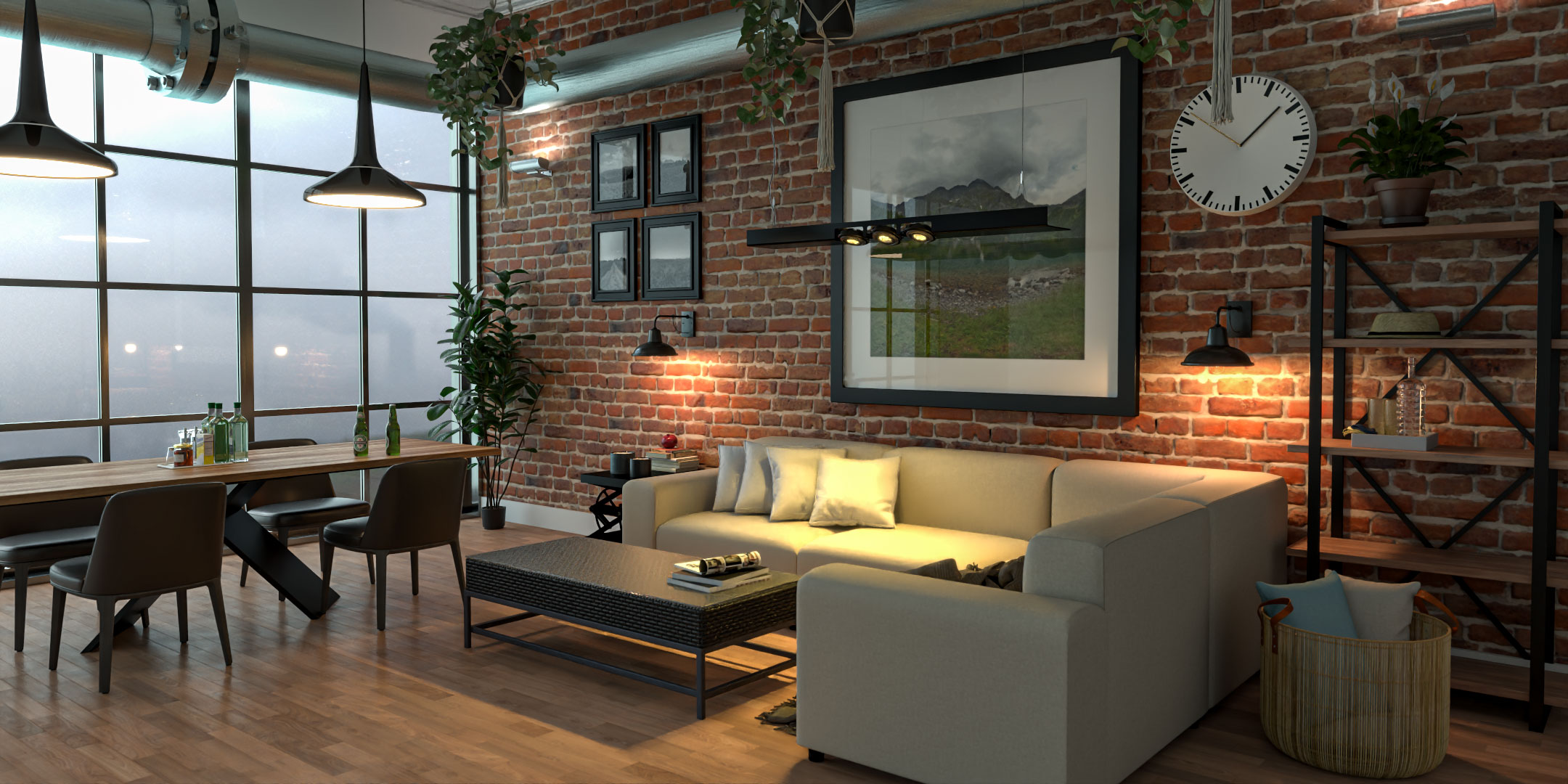
Why Architectural CGI Matters in Modern Housing Development
Housing developments have become increasingly complex.
Developers need to communicate proposals to planning authorities, investors, stakeholders, estate agents, and potential buyers, often before construction has even begun.
Architectural CGI provides a powerful way to communicate these developments through realistic digital imagery.
By transforming architectural information into photorealistic visualisations, CGI helps people understand how a proposed housing development will look, feel, and function before it physically exists.
What Is Architectural CGI?
Architectural CGI, or Computer-Generated Imagery, involves creating realistic digital representations of proposed buildings and environments.
For housing developments, CGI can show:
Individual houses
Apartment buildings
Streetscapes
Communal spaces
Gardens
Landscaping
Roads and parking
Surrounding context
These visualisations can range from early concept imagery to highly detailed marketing renders.
Supporting the Early Design Process
CGI can be valuable from the earliest stages of a housing development.
Architects and developers can use visualisation to explore different design approaches and communicate ideas to clients and consultants.
Early CGI can help evaluate:
Building massing
Architectural style
Roof forms
Materials
Window arrangements
Landscaping
Relationship with neighbouring buildings
Seeing the proposed development visually allows design teams to make more informed decisions before construction information is finalised.
Improving Planning Applications
Planning approval is a critical stage for housing developments.
Local planning authorities need to understand how proposed buildings will affect their surroundings.
Architectural CGI can demonstrate:
Building scale
Streetscape character
Site context
Materials
Landscaping
Visual relationships with surrounding properties
Photorealistic planning visuals can make complex proposals easier to understand and support the wider planning documentation.
CGI does not guarantee planning approval, but it can help communicate the proposal clearly.
Helping Stakeholders Understand the Development
Housing developments involve many stakeholders, and not everyone has the same ability to interpret architectural drawings.
A technical floor plan may be clear to an architect but difficult for a member of the public or an investor to understand.
CGI provides a common visual reference.
It allows stakeholders to see the proposed development in a realistic context and understand its overall character.
This can improve communication during:
Client meetings
Design reviews
Public consultations
Planning discussions
Investor presentations
Creating Stronger Marketing Campaigns
Once planning has been secured, CGI becomes particularly valuable for property marketing.
Housing developments are often marketed before construction is complete.
Developers need compelling visual material to communicate the future homes to potential buyers.
Photorealistic CGI can showcase:
Exterior architecture
Interior design
Kitchens
Bedrooms
Bathrooms
Gardens
Communal areas
These images can then be used across websites, brochures, digital advertising, social media, and sales suites.
Supporting Off-Plan Sales
Off-plan property sales depend heavily on visual communication.
Potential buyers cannot physically walk through a completed property, so they need another way to understand what they are purchasing.
Architectural CGI provides a realistic representation of the finished development.
Combined with interior visualisation and 3D walkthroughs, it can help buyers understand the property before construction is complete.
This can increase confidence and make the purchasing process more engaging.
Building Investor Confidence
Housing developments may require significant investment before construction begins.
Investors need to understand the scale, quality, and positioning of a proposed scheme.
CGI can help communicate the development visually during investor presentations.
High-quality visualisations can demonstrate:
Overall development scale
Architectural quality
Public realm
Landscaping
Interior standards
Market positioning
This gives investors a clearer understanding of the developer's vision.
Creating Consistency Across Marketing
A housing development may require marketing material for many different channels.
CGI allows developers to maintain a consistent visual identity across:
Websites
Brochures
Property portals
Social media
Advertising
Sales presentations
Using a consistent visual style helps create a recognisable identity for the development.
Going Beyond Static CGI
Modern housing developments can benefit from immersive visualisation as well as static images.
Developers can combine CGI with:
3D walkthroughs
360-degree renders
Virtual reality
Interactive property tours
These experiences allow buyers and investors to explore developments in greater depth.
A potential buyer can move through a future home, examine different spaces, and understand the relationship between rooms before the property exists.
Reducing Design Uncertainty
Changes made during construction can be expensive.
CGI provides an additional opportunity to review the proposed design before work begins.
Architects, developers, and clients can examine materials, proportions, landscaping, and architectural details in a realistic environment.
This can help identify areas that require clarification or refinement earlier in the process.
The Future of CGI for Housing Developers
As property marketing becomes increasingly digital, high-quality architectural CGI is becoming an important part of the development process.
Real-time rendering, virtual reality, interactive experiences, and artificial intelligence are expanding what developers can achieve before construction.
The future of housing development visualisation will increasingly focus on allowing people to experience properties rather than simply viewing them.
Conclusion
Architectural CGI has a significant impact on housing developments because it improves communication throughout the project lifecycle.
From early design and planning applications to investor presentations and off-plan property sales, realistic visualisation helps architects, developers, stakeholders, and buyers understand the proposed development before it physically exists.
When combined with 3D walkthroughs, interior visualisation, and virtual reality, CGI becomes more than a marketing asset. It becomes a valuable communication tool throughout the development process.
At Luxe3D, we create photorealistic architectural CGI, interior visualisations, 3D walkthroughs, and virtual reality experiences for UK housing developers, architects, and property professionals. We help transform proposed developments into clear, realistic visual experiences that support planning, stakeholder communication, investment presentations, and off-plan property marketing.