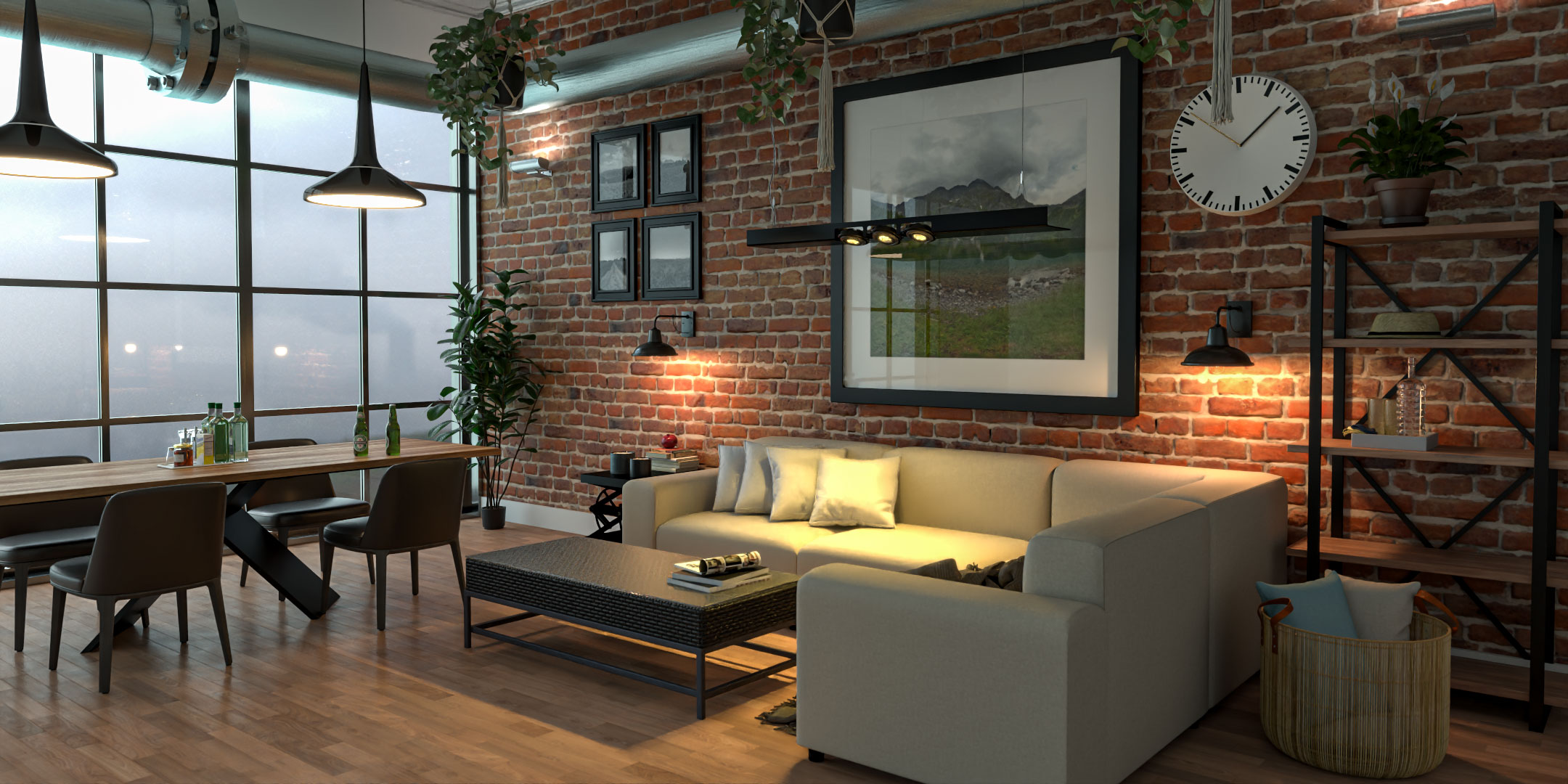
Why Property Buying Is More Than a Financial Decision
Purchasing a property is one of the most significant decisions most people will ever make.
While buyers naturally consider practical factors such as location, price, and layout, purchasing decisions are also heavily influenced by emotion. People are not simply buying walls and rooms. They are investing in a future lifestyle, a place to build memories, and a space they can call home.
For property developers, creating this emotional connection has always been a challenge, particularly when selling developments before construction has been completed.
Virtual reality is changing that.
By allowing buyers to experience a property before it exists, VR creates a level of engagement that traditional marketing materials cannot achieve.
Why Emotion Influences Property Purchases
Although property purchases involve careful financial planning, research consistently shows that emotions play a major role in decision-making.
Buyers often ask themselves questions such as:
Can I picture myself living here?
Does this space feel comfortable?
Will this suit my family?
Does this home match my lifestyle?
These questions are difficult to answer through floor plans or brochures alone.
Virtual reality allows buyers to experience a property in a far more personal and meaningful way.
Turning Imagination into Experience
Traditional marketing requires buyers to imagine what a completed property will look like.
Not everyone finds this easy.
Many people struggle to visualise:
Room sizes
Ceiling heights
Furniture layouts
Natural light
The flow between spaces
Virtual reality removes much of this uncertainty.
Instead of imagining the finished development, buyers can explore it directly within an immersive digital environment.
Creating Emotional Connection
One of VR's greatest strengths is its ability to create emotional engagement.
As buyers move naturally through a virtual property, they begin to imagine everyday life within the space.
They may visualise:
Preparing meals in the kitchen
Relaxing in the living room
Watching children play in the garden
Enjoying views from a balcony
This emotional response helps transform an abstract property into something that feels real and attainable.
Building Buyer Confidence
Confidence is essential when purchasing a property that has not yet been built.
Virtual reality helps reduce uncertainty by allowing buyers to understand:
The layout
Room proportions
Interior finishes
Overall atmosphere
Connections between spaces
The clearer buyers understand a property, the more confident they often become in their purchasing decision.
Reducing Perceived Risk
Buying off-plan naturally involves a degree of uncertainty.
Buyers may worry that the finished development will differ from their expectations.
Immersive visualisation helps reduce this perceived risk by providing a realistic representation of the proposed development.
While construction details may evolve, experiencing the overall design helps buyers make more informed decisions.
Supporting Better Decision-Making
Virtual reality allows buyers to explore a property at their own pace.
They can revisit spaces, compare layouts, and gain a deeper understanding of how the property functions.
This encourages more informed decisions based on experience rather than assumption.
For developers, this often leads to more meaningful conversations with prospective buyers.
Appealing to International Buyers
The UK property market attracts buyers from around the world.
Many overseas purchasers are unable to visit developments during the early stages of construction.
Virtual reality allows them to experience properties remotely without sacrificing the quality of the viewing experience.
This helps developers communicate projects consistently regardless of where buyers are located.
Strengthening Property Marketing
Virtual reality works particularly well when integrated into a broader marketing strategy.
Many developers combine VR with:
Photorealistic architectural renders
Animation walkthroughs
Interactive presentations
Sales suites
Digital marketing campaigns
Together, these tools create a more engaging and memorable buyer experience.
The Future of Buyer Experiences
Virtual reality technology continues to advance rapidly.
Future developments are expected to include:
Real-time customisation of finishes
Interactive furniture layouts
Multi-user virtual viewings
Cloud-based immersive experiences
Integration with augmented reality
These innovations will continue to improve how buyers interact with properties before construction is complete.
Conclusion
The psychology of buying property extends far beyond financial considerations.
People purchase homes that feel right, inspire confidence, and allow them to imagine their future.
Virtual reality helps create these emotional connections by transforming architectural concepts into immersive experiences that buyers can explore long before construction begins.
As expectations continue to evolve, VR is becoming an increasingly valuable tool for developers seeking to improve buyer engagement and support more confident purchasing decisions.
At Luxe3D, we create immersive virtual reality experiences, architectural visualisations, and interactive walkthroughs that help developers present properties in the most engaging way possible. By enabling buyers and investors to experience developments before they are built, we help turn architectural concepts into compelling visual journeys that strengthen marketing, improve understanding, and encourage more confident purchasing decisions.