Why 3D Visualisation Has Become Central to UK Property Development
3D visualisation is now a fundamental part of how property development projects are planned, communicated, and delivered across the UK.
Developers no longer rely solely on technical drawings or 2D plans when presenting ideas. Instead, they use visual storytelling tools that allow stakeholders to understand exactly how a development will look and function before construction begins.
This shift has been driven by increased competition, higher client expectations, and the need for clearer communication throughout the development process.
In many cases, 3D visualisation has become the bridge between concept and approval.
What 3D Visualisation Actually Involves
3D visualisation refers to the creation of digital, three-dimensional representations of buildings and environments.
These representations can include:
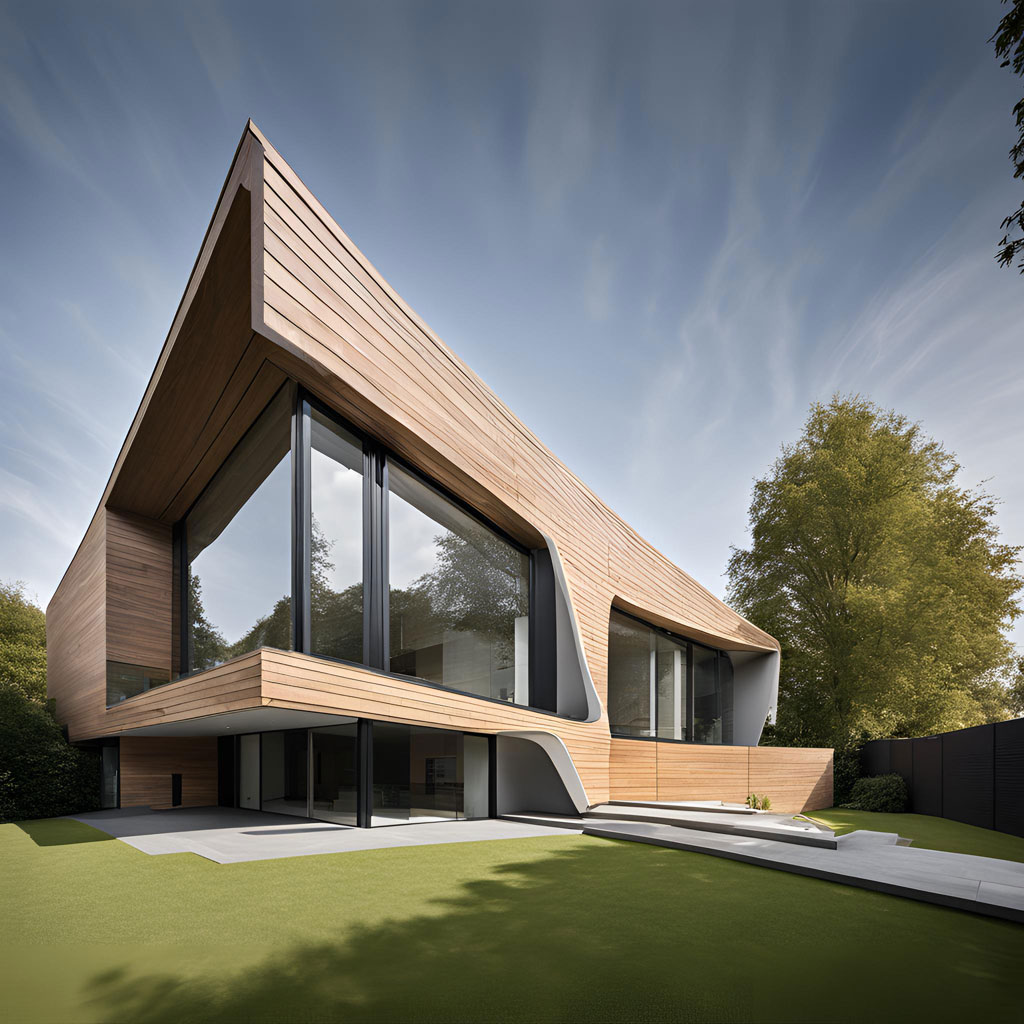
Exterior architectural renders
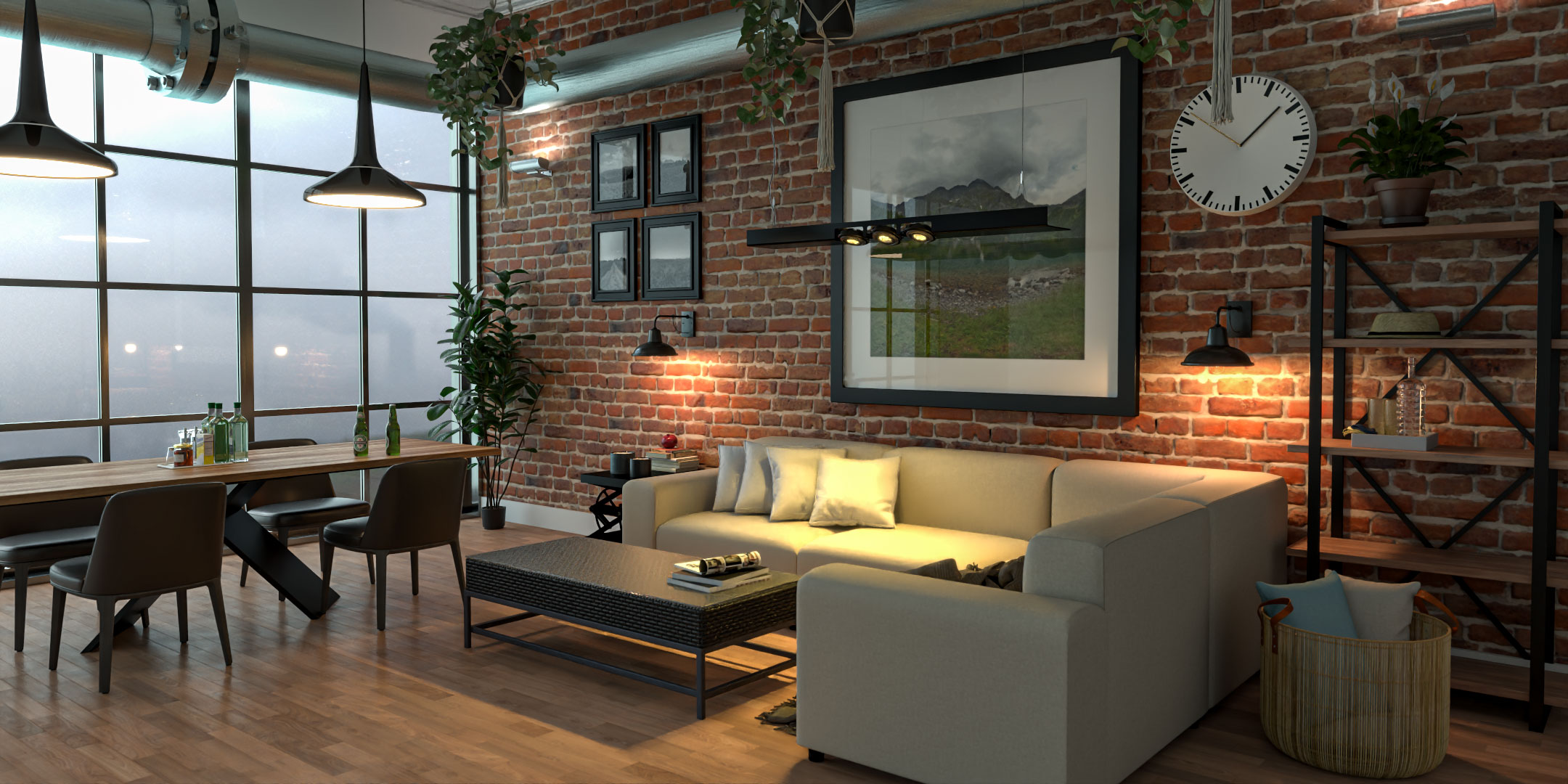
Interior design visualisations
Site context modelling
Aerial perspectives
Animation walkthroughs
Interactive presentations
Virtual reality environments
Unlike traditional drawings, 3D visualisation presents a realistic interpretation of space, scale, materials, and lighting.
This makes it significantly easier for non-technical audiences to understand a project.
Why It Matters in Property Development Projects
UK property development projects involve multiple stakeholders, including:
Architects
Developers
Planning authorities
Investors
Contractors
End users
Each group has different priorities and levels of technical understanding.
3D visualisation helps align these groups by presenting a shared, clear representation of the project.
This reduces misinterpretation and improves decision-making at every stage.
Improving Communication Between Stakeholders
One of the most valuable roles of 3D visualisation is improving communication.
Instead of relying on abstract plans, stakeholders can see:
How the building will sit within its environment
The relationship between spaces
Material choices and design intent
Lighting conditions at different times of day
This clarity reduces confusion and allows discussions to focus on design quality rather than interpretation of drawings.
Supporting Planning and Design Development
During the planning and design phases, 3D visualisation is often used to explore and refine proposals.
It allows teams to:
Test different design options
Evaluate massing and scale
Assess visual impact
Refine materials and finishes
Identify potential design issues early
This iterative process helps improve the final design and reduces costly changes later in the project lifecycle.
Enhancing Property Marketing and Sales
Beyond design development, 3D visualisation plays a major role in marketing property projects.
Developers use visual content to:
Promote off-plan sales
Attract investors
Create brochures and websites
Support launch campaigns
Present developments to stakeholders
High-quality visualisation helps potential buyers understand not just what a building looks like, but how it feels to experience the space.
This emotional connection is a key driver in property decision-making.
Reducing Risk and Increasing Confidence
Property development involves significant financial investment and risk.
3D visualisation helps reduce uncertainty by making outcomes more predictable and visible.
When stakeholders can clearly see the end result, they are more likely to:
Approve designs faster
Invest with confidence
Support planning applications
Commit to purchases earlier
This improved clarity benefits both developers and clients.
Types of 3D Visualisation Used in UK Projects
Different stages of development require different forms of visualisation:
Concept Visualisation
Used in early design stages to explore ideas and directions.
Detailed Architectural Rendering
Used for planning submissions and marketing materials.
Interior Visualisation
Used to define space planning, finishes, and atmosphere.
Animation and Walkthroughs
Used to communicate flow and experience of a development.
Virtual Reality Experiences
Used for immersive presentations and client engagement.
The Role of Technology in Modern Visualisation
3D visualisation is evolving rapidly with advances in technology.
Key developments include:
Real-time rendering engines
AI-assisted modelling tools
Interactive 3D environments
Cloud-based collaboration systems
These technologies are making visualisation faster, more accessible, and more interactive.
As a result, it is becoming a standard expectation rather than a premium add-on in many UK development projects.
The Future of 3D Visualisation in Property Development
The future of 3D visualisation is moving towards greater interactivity and immersion.
Clients will increasingly be able to:
Explore developments in real time
Modify designs within virtual environments
Experience projects through VR and AR platforms
Collaborate directly within 3D models
This will fundamentally change how property development projects are communicated and approved.
Conclusion
3D visualisation plays a critical role in modern UK property development projects.
It improves communication, supports design decisions, enhances marketing, and reduces uncertainty for all stakeholders involved.
As technology continues to advance, its importance will only increase, becoming an essential part of how developments are conceived, presented, and delivered.
At Luxe3D, we create high-quality 3D visualisation content for UK property developers, architects, and designers. From photorealistic renders and detailed interior visualisation to immersive VR experiences, we help transform complex design ideas into clear, compelling visuals that support better decisions, stronger presentations, and more successful project outcomes.