Why 3D Visualisation Matters in Property Development
Property development involves multiple stages, stakeholders, and decisions, from the initial concept through planning, construction, marketing, and completion.
At each stage, developers need to communicate what a proposed project will look like and how it will function.
Technical drawings provide essential information, but 3D visualisation adds another layer of communication by transforming architectural information into realistic visual experiences.
For UK property developers, architectural CGI can support everything from early design decisions and planning presentations to investor engagement and off-plan property sales.
What Is 3D Visualisation in Property Development?
3D visualisation is the process of creating digital representations of proposed buildings, interiors, developments, and surrounding environments.
Property developers can use different forms of visualisation depending on the purpose of the project, including:
Exterior architectural renders
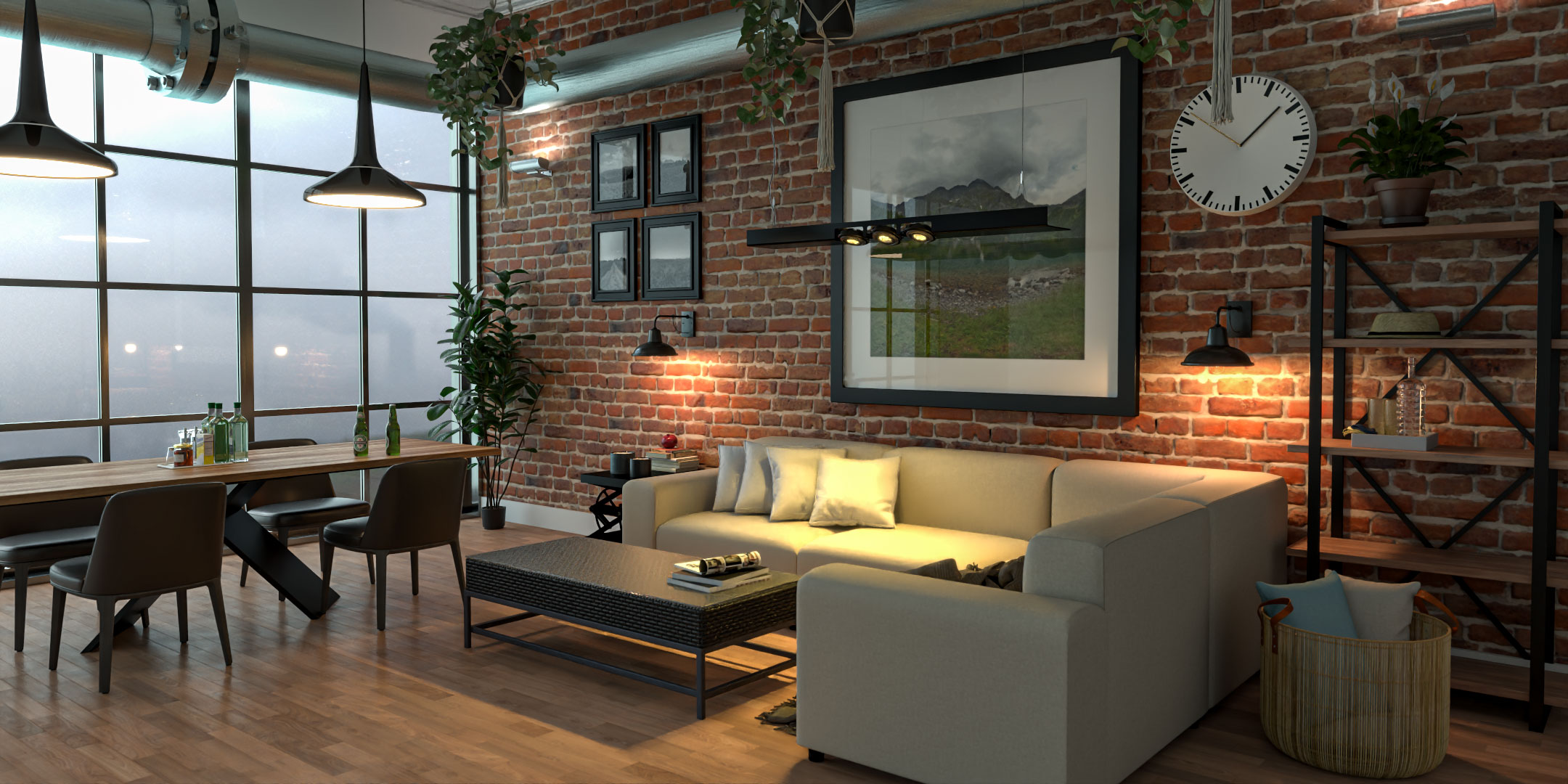
Interior visualisation
Aerial CGI
Site and masterplan visualisation
3D walkthroughs
360-degree renders
Virtual reality experiences
These visual assets can be adapted throughout the development lifecycle.
Supporting the Early Design Stage
3D visualisation can be valuable before a development reaches planning.
Early-stage CGI allows developers and architects to explore different approaches to the design and understand how the proposed development could appear in its surroundings.
Visualisation can help assess:
Building massing
Architectural character
Materials
Roof forms
Window arrangements
Landscaping
Relationship with neighbouring properties
Identifying design considerations early can help the project team make more informed decisions before significant resources are committed.
Communicating Planning Proposals
Planning is one of the most important stages of a UK property development.
Planning officers, consultants, local stakeholders, and members of the public may all need to understand the visual impact of a proposed scheme.
3D visualisation can demonstrate:
Building scale
Height and massing
Materials
Streetscape
Landscaping
Site context
Relationship with surrounding buildings
Photorealistic planning CGI does not guarantee planning permission, but it can make the proposal easier to understand alongside the wider planning documentation.
Helping Investors Understand the Opportunity
Investors need to understand more than the financial side of a development.
They also need a clear picture of the physical product being proposed.
A photorealistic exterior render can immediately communicate the architectural vision, while interior visualisation can demonstrate the intended quality of individual properties.
Developers can use CGI within:
Investor presentations
Development proposals
Funding presentations
Investment documents
Digital presentations
This can make complex development concepts easier to communicate.
Visualising the Development Before Construction
One of the greatest advantages of 3D visualisation is the ability to see a development before it exists.
Developers can present:
Completed building exteriors
Interior spaces
Landscaping
Public realm
Communal areas
Parking
Roads and access
Surrounding context
This allows stakeholders to engage with the proposed development long before physical construction is complete.
Supporting Off-Plan Property Sales
Off-plan property sales depend heavily on visual communication.
Potential buyers cannot visit the completed property, so developers need to give them a realistic understanding of what they are purchasing.
Interior and exterior CGI can demonstrate:
Living spaces
Kitchens
Bedrooms
Bathrooms
Gardens
Balconies
Building exteriors
Communal areas
This can help buyers understand the property and imagine themselves living there before construction is finished.
Creating Stronger Property Marketing
CGI provides developers with marketing assets that can be used long before photography becomes possible.
Visualisations can be incorporated into:
Development websites
Property brochures
Digital advertising
Social media
Property portals
Sales suites
Investor presentations
The same project can therefore benefit from professional CGI across several stages of its commercial lifecycle.
Supporting Different Types of UK Developments
3D visualisation is suitable for a wide range of property projects.
Residential Developments
CGI can showcase houses, apartments, gardens, communal spaces, and wider development layouts.
Luxury Developments
High-end visualisation can communicate premium architecture, materials, landscaping, and interior design.
Mixed-Use Developments
CGI can demonstrate how residential, commercial, retail, leisure, and public spaces work together.
Build-to-Rent Developments
Visualisation can communicate apartments, amenities, communal areas, and the overall lifestyle experience.
Commercial Developments
Exterior and interior CGI can help communicate offices, retail spaces, hospitality environments, and other commercial properties before completion.
Improving Communication Between Stakeholders
Property development involves many different professionals.
Architects, developers, planning consultants, investors, contractors, interior designers, marketing teams, and buyers may all have different priorities.
A realistic 3D model provides a common visual reference.
Instead of relying solely on technical drawings and written descriptions, stakeholders can see the same proposed environment and discuss specific elements of the design.
This can make meetings, presentations, and design reviews more productive.
Visualising Landscaping and Public Realm
The success of a development is not determined only by its buildings.
Landscaping and public spaces can have a major influence on how a scheme is perceived.
3D visualisation can incorporate:
Trees
Planting
Lawns
Paving
Footpaths
Seating
Lighting
Boundary treatments
Public spaces
This creates a more complete representation of the proposed development.
Going Beyond Static CGI
Modern property development visualisation extends beyond individual still images.
Developers can combine CGI with 3D walkthroughs, 360-degree renders, and virtual reality.
A 3D walkthrough can allow stakeholders to move through a proposed property or development, while VR can provide an immersive experience at full scale.
These technologies can be particularly effective for:
Investor presentations
Sales launches
International buyers
Development exhibitions
Sales suites
Off-plan marketing
Reducing Uncertainty Before Construction
Changes made after construction begins can be expensive.
Visualisation provides an opportunity to review aspects of the development before physical work starts.
Developers and project teams can assess:
Materials
Architectural details
Interior finishes
Landscaping
Building relationships
Public realm
Overall visual character
This does not replace technical coordination, but it provides an additional visual layer that can help identify questions and areas requiring further consideration.
Creating a Consistent Visual Identity
A development may require visual content for many different purposes.
Using professionally produced CGI allows developers to maintain a consistent appearance across planning communication, investor presentations, websites, brochures, and sales campaigns.
A consistent visual identity can strengthen recognition of the development and create a more professional presentation across different channels.
The Future of 3D Visualisation in UK Property Development
Technology is continuing to expand what developers can achieve before construction.
Real-time rendering, virtual reality, interactive environments, 360-degree experiences, and AI-assisted workflows are creating new ways to present future properties.
As buyers and investors become increasingly accustomed to digital property experiences, the ability to communicate a development visually will become even more important.
Conclusion
3D visualisation plays an important role throughout the UK property development process.
From early design and planning communication to investor presentations, property marketing, and off-plan sales, architectural CGI helps developers communicate projects before they physically exist.
When combined with interior visualisation, 3D walkthroughs, and virtual reality, it can transform architectural information into an experience that is easier for investors, buyers, stakeholders, and the wider project team to understand.
At Luxe3D, we create photorealistic architectural CGI, interior visualisation, 3D walkthroughs, and virtual reality experiences for UK property developers, architects, and property professionals. From early-stage concepts and planning proposals through to investor presentations and off-plan marketing, we help transform development information into clear, realistic visual experiences that communicate the vision of a project before construction begins.