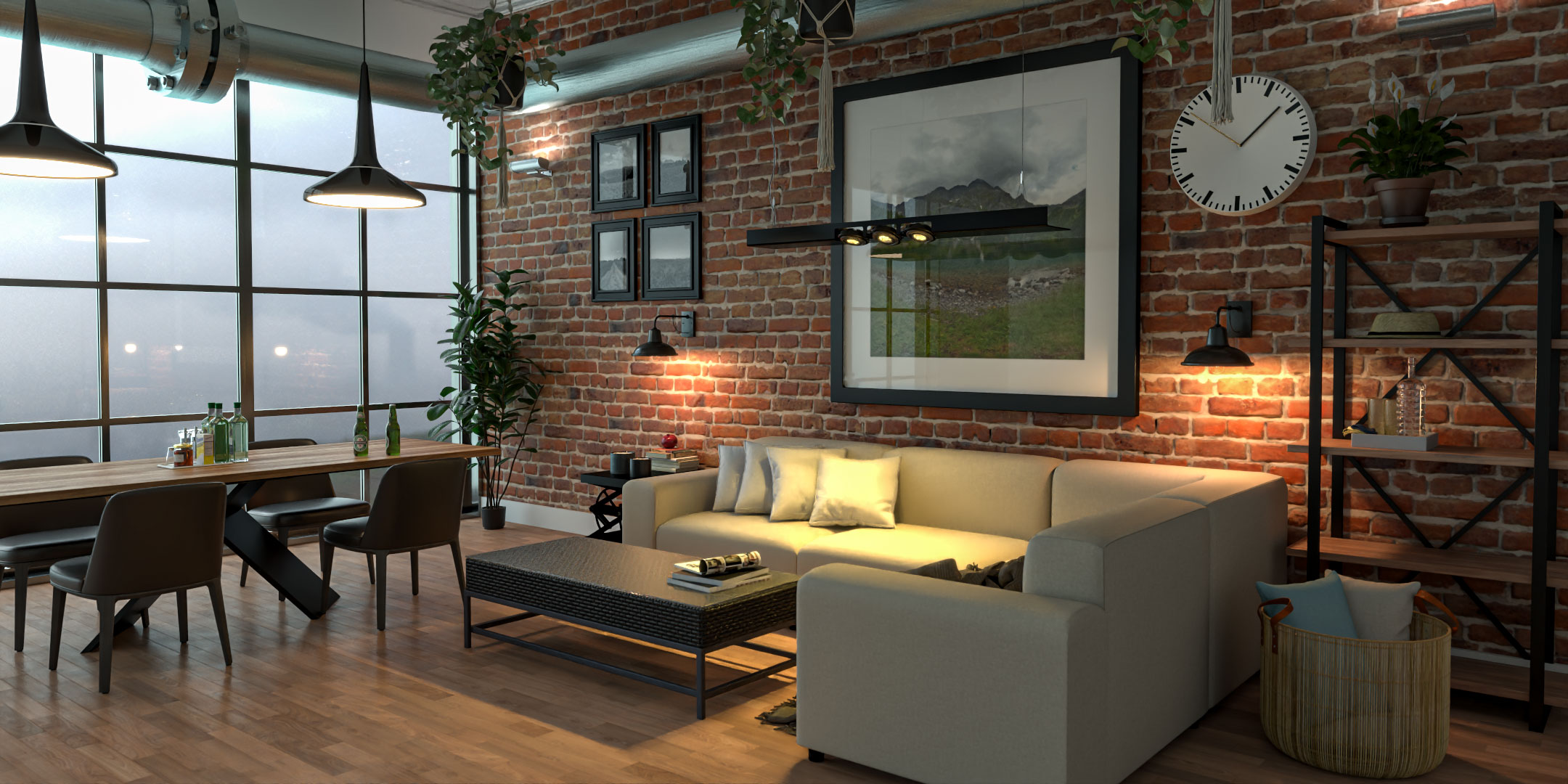
Why Property Sales Are Changing
The UK property market has become increasingly competitive over the last decade.
Developers are expected to secure buyers earlier, attract investors faster, and market projects more effectively than ever before. At the same time, buyers want greater certainty before making significant financial commitments.
Traditional marketing materials such as floor plans, brochures, and static renders still play an important role, but they often leave room for interpretation.
Virtual reality is changing this.
By allowing buyers to experience a property before construction is complete, virtual reality is becoming one of the most powerful sales tools available to modern property developers.
What Is Virtual Reality in Property Development?
Virtual reality, often referred to as VR, allows users to explore a digital representation of a property in a fully immersive environment.
Using a VR headset or interactive platform, users can:
Walk through rooms
Experience layouts at full scale
Explore finishes and materials
Understand spatial relationships
View properties from multiple perspectives
Rather than imagining a space from drawings, buyers can experience it as if it already exists.
This creates a much deeper understanding of the development.
Why UK Developers Are Adopting VR
Property developers across the UK are increasingly investing in virtual reality because it helps overcome one of the biggest challenges in off-plan sales.
Buyers are often asked to commit to a property that has not yet been built.
This naturally creates uncertainty.
VR helps eliminate that uncertainty by providing a realistic preview of the completed development.
As a result, developers can communicate their vision more effectively and build confidence earlier in the sales process.
Improving Buyer Confidence
Confidence plays a major role in purchasing decisions.
When buyers can visualise a property accurately, they feel more comfortable making commitments.
Virtual reality allows potential purchasers to:
Understand room sizes
Experience layouts
Assess design choices
Explore views and surroundings
Visualise daily living within the space
This level of understanding is difficult to achieve through traditional marketing materials alone.
Supporting Off-Plan Sales
Off-plan sales are a critical component of many UK developments.
Securing sales before construction is complete can help improve cash flow, demonstrate demand, and support project viability.
Virtual reality helps buyers connect with developments at an earlier stage.
Instead of purchasing from a brochure, they can explore a realistic representation of the future property.
This often leads to stronger engagement and more informed decision-making.
Enhancing Investor Presentations
Investors also benefit from immersive visualisation.
When presenting a development opportunity, VR can help communicate:
Project vision
Design quality
Market positioning
Development scale
End-user experience
A compelling virtual experience often leaves a stronger impression than traditional presentation methods.
Standing Out in a Competitive Market
Property developers compete for attention in crowded markets.
Virtual reality offers a clear point of differentiation.
Developments that provide immersive experiences often appear more innovative, professional, and engaging.
This can help attract interest from:
Buyers
Investors
Estate agents
Development partners
As VR becomes more accessible, it is rapidly moving from a competitive advantage to an industry expectation.
Reducing Misunderstandings
One of the challenges of selling unbuilt property is managing expectations.
Buyers sometimes misinterpret plans, dimensions, or marketing visuals.
Virtual reality reduces this risk by providing a much clearer understanding of the final product.
When expectations align more closely with reality, satisfaction and confidence typically improve.
Integrating VR with Modern Marketing
Virtual reality works best when integrated into a wider marketing strategy.
Many developers now combine VR with:
Architectural rendering
Animation walkthroughs
Interactive presentations
Property websites
Sales suites and exhibitions
Together, these tools create a more engaging and informative buyer journey.
The Future of Virtual Reality in UK Property Development
Virtual reality technology continues to evolve rapidly.
Emerging trends include:
Cloud-based VR experiences
Real-time design updates
Interactive customisation options
Multi-user virtual collaboration
Integration with augmented reality technologies
As these technologies become more widespread, immersive experiences are expected to become a standard component of property marketing and sales.
Developers who embrace these tools early will be well positioned to meet changing buyer expectations.
Conclusion
Virtual reality is transforming how UK property developments are marketed, presented, and sold.
By allowing buyers and investors to experience projects before they are built, VR improves understanding, increases confidence, and supports more effective decision-making.
As competition continues to grow across the property sector, immersive technology is becoming an increasingly important part of successful development marketing strategies.
At Luxe3D, we create immersive virtual reality experiences, architectural visualisations, and interactive 3D walkthroughs that help UK property developers showcase projects with clarity and impact. Whether you are marketing an off-plan development, presenting to investors, or seeking to enhance buyer engagement, our visualisation solutions help bring future spaces to life before construction begins.