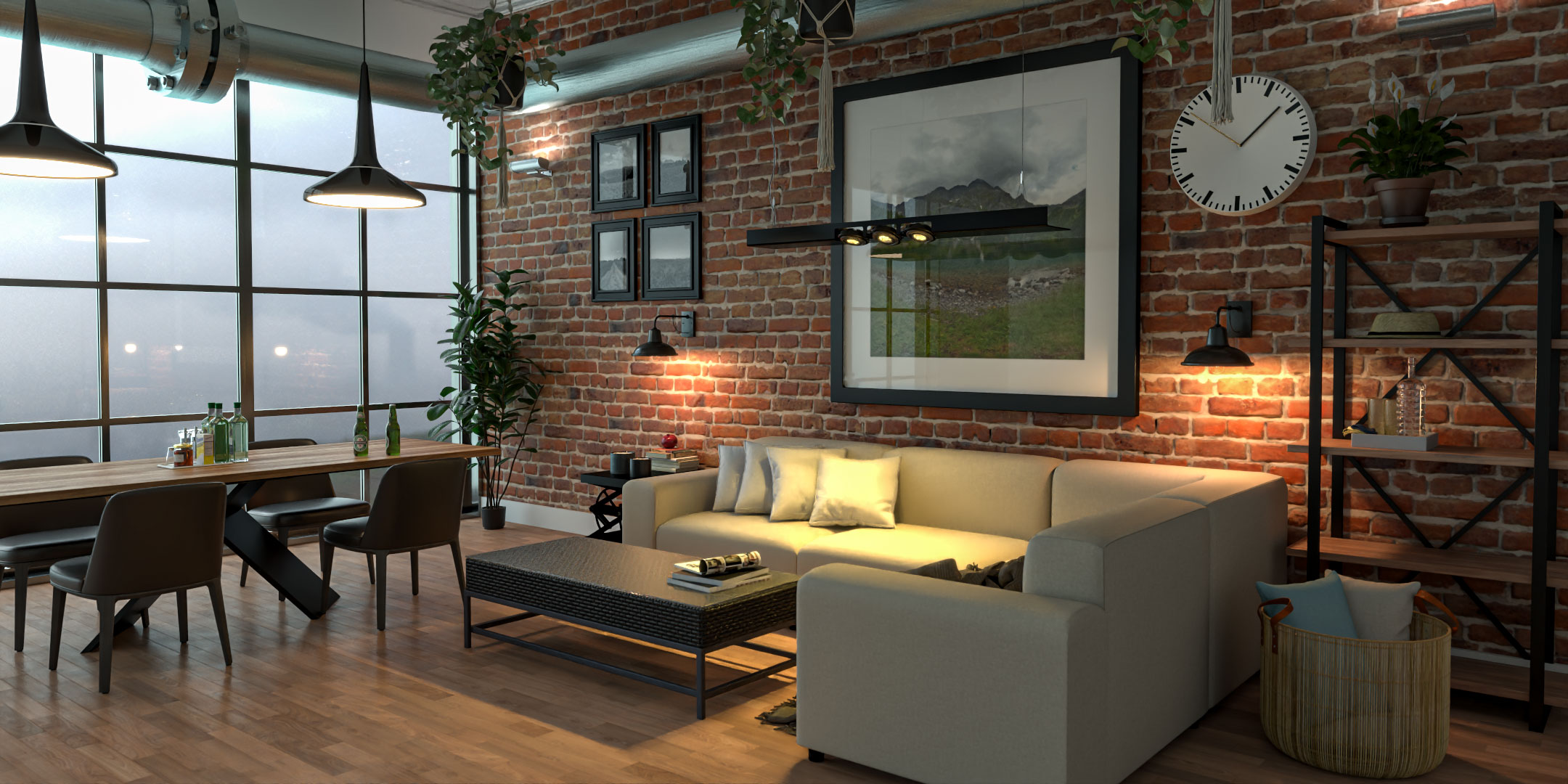
Virtual reality is changing how UK property developers present, market, and sell developments before they are built.
Traditional property marketing depends heavily on architectural drawings, CGI, floor plans, brochures, and physical show homes. These remain valuable, but virtual reality adds another dimension by allowing potential buyers and investors to experience a proposed property rather than simply looking at images of it.
For developers selling high-value homes, apartments, build-to-rent schemes, and mixed-use developments, VR can become a powerful part of the sales process.
What Is VR in Property Development?
Virtual reality uses an immersive digital environment to allow users to experience a proposed property or development.
Instead of viewing a single architectural render, users can enter a digitally created environment and explore it from within.
A property VR experience can showcase:
Apartment interiors
Houses
Kitchens
Bedrooms
Bathrooms
Communal areas
Reception spaces
Gardens
Landscaped areas
Commercial spaces
Entire developments
The environment can be created from architectural drawings, 3D models, interior specifications, material schedules, and other project information.
Why VR Matters for UK Property Developers
The biggest challenge with off-plan property is that the finished product does not yet exist.
A buyer may be asked to make a significant financial decision based on floor plans, specifications, CGI, and descriptions.
VR can bridge the gap between technical information and physical experience.
Instead of asking buyers to imagine what the finished property might feel like, developers can give them an immersive representation of the intended environment.
This can make the sales process more engaging and easier to understand.
VR for Off-Plan Property Sales
Off-plan sales are one of the clearest applications for property VR.
A development may be months or years away from completion, yet developers need to begin marketing and selling units.
VR can allow prospective buyers to experience:
Apartment layouts
Living spaces
Kitchens
Bedrooms
Bathrooms
Views
Communal areas
This can give buyers a better understanding of the finished property before construction is complete.
Helping Buyers Understand Space
Floor plans are essential, but not everyone can easily interpret them.
A 2D drawing requires the viewer to mentally convert lines, dimensions, and symbols into a three-dimensional environment.
VR removes much of that mental translation.
A buyer can experience the relationship between rooms, understand proportions, and gain a clearer impression of how the property is intended to function.
This can be particularly valuable for:
Complex layouts
Large apartments
Luxury homes
Duplexes
Multi-level properties
Unusual architectural designs
Creating an Emotional Connection
Property purchases are rarely based entirely on technical specifications.
Buyers also respond to atmosphere, lifestyle, design, and emotion.
VR can create a stronger emotional connection by allowing a potential buyer to experience the proposed environment from within.
They can look around the living room, enter the kitchen, move towards a window, and understand the relationship between different spaces.
This can make an off-plan property feel more tangible.
VR for Luxury Property
Luxury property marketing often depends on presentation.
High-value buyers expect detailed information, strong visual communication, and a premium experience.
VR can provide an immersive presentation of:
Bespoke interiors
Premium kitchens
Luxury bathrooms
Feature lighting
Natural materials
Dressing rooms
Home offices
Outdoor spaces
For high-end developments, VR can form part of a wider premium sales experience.
VR for New-Build Housing Developments
VR is not limited to luxury property.
It can also support larger residential developments.
Developers can use immersive visualisation to communicate different house types, apartment layouts, communal spaces, gardens, and development environments.
For developments with multiple unit types, VR can help buyers understand the differences between properties before selecting a unit.
VR Sales Suites
A sales suite can become a powerful environment for VR.
Instead of displaying only printed brochures and static CGI, developers can provide an immersive experience where potential buyers can explore the proposed development.
A sales consultant can guide the buyer through the experience and explain specific features as they appear.
This can make the sales environment more interactive and memorable.
VR for International Property Buyers
International buyers may not be able to visit a development easily.
This is particularly relevant to UK property developments marketed to overseas investors and buyers.
VR can provide a remote way to experience the proposed property.
A potential buyer can explore an apartment or development without physically travelling to the site.
VR does not replace an eventual physical viewing, but it can provide valuable information much earlier in the decision-making process.
VR for Property Investors
Investors need to understand both the opportunity and the physical product behind a development.
VR can help communicate the intended quality of:
Architecture
Interiors
Amenities
Communal spaces
Landscaping
Development layout
This can make presentations more engaging and can help investors understand a development that exists primarily as drawings and digital models.
VR and Property Marketing
VR should not be viewed as a replacement for traditional property marketing.
Instead, it can work alongside:
Architectural CGI
Interior visualisation
Floor plans
Brochures
Websites
3D walkthroughs
Photography
Video
Property portals
Each format has a different role.
Static CGI provides strong marketing imagery.
Floor plans communicate layout.
Written information explains specifications.
VR provides an immersive experience.
Together, these assets can create a much more complete sales presentation.
VR Compared With a 3D Walkthrough
VR and 3D walkthroughs are closely related but provide different experiences.
A 3D walkthrough normally presents a controlled journey through the property.
VR can allow the user to experience the environment from within and, depending on the implementation, interact with or explore the space more freely.
A developer may therefore use a walkthrough for website marketing and VR for a sales suite or investor presentation.
The appropriate format depends on the project's audience and objectives.
The Importance of Architectural Accuracy
Immersive technology is only effective when the underlying environment is accurate.
The digital property should correctly represent:
Building proportions
Room layouts
Windows
Doors
Materials
Furniture
Fixtures
Landscaping
This is particularly important when buyers are making decisions based on the experience.
VR should communicate the proposed development rather than create an unrealistic representation of it.
Realistic Materials and Lighting
Photorealistic materials and lighting can significantly improve the credibility of a VR experience.
The digital environment should represent materials such as:
Timber
Stone
Brick
Concrete
Glass
Metal
Marble
Fabrics
Lighting should also reflect the intended atmosphere.
For example, a luxury apartment may benefit from carefully designed interior lighting, while an exterior development experience may focus on realistic daylight and environmental conditions.
VR for Development Presentations
Developers can also use VR before the sales stage.
It can support presentations to:
Investors
Architects
Stakeholders
Marketing teams
Project partners
Potential buyers
This can help everyone understand the proposed development in a more intuitive way.
For complex projects, immersive visualisation can communicate spatial relationships that may be difficult to explain through drawings alone.
VR Can Support Earlier Sales Activity
One of the biggest commercial advantages of property VR is timing.
Developers do not necessarily have to wait until construction is complete before providing buyers with an experience of the property.
The digital environment can be created during the design and development stages.
This can allow marketing activity to begin earlier and support an off-plan sales strategy.
Measuring the ROI of Property VR
The return on investment from VR depends on how it is used.
Potential benefits include:
Increased buyer engagement
Stronger sales presentations
Better understanding of the property
Support for off-plan sales
Improved investor presentations
International buyer engagement
Premium positioning
For a large property development, even a small improvement in sales performance can potentially outweigh the cost of producing the VR experience.
However, VR should be selected because it serves a genuine purpose, not simply because it is technically impressive.
How to Maximise the Value of VR
The strongest VR projects begin with a clear objective.
Before production, determine:
Who will use the experience?
What property should be shown?
Which spaces are most important?
What should the viewer understand?
Where will the VR experience be presented?
Will it also be used for other marketing purposes?
A clear strategy ensures the experience is designed around the sales process.
Build VR From a Reusable 3D Environment
A detailed 3D environment can potentially support more than VR.
The same project can be used to create:
Architectural renders
Interior visualisation
Exterior CGI
3D walkthroughs
360-degree renders
Marketing imagery
VR experiences
This can create a more consistent visual identity across the entire marketing campaign.
It can also make the initial investment in accurate 3D modelling more valuable.
Choosing a VR Visualisation Studio
Developers should evaluate more than whether a studio offers VR.
Look at:
Architectural accuracy
Quality of 3D modelling
Interior and exterior capability
Material realism
Lighting
Navigation
User experience
3D walkthrough capability
Static CGI quality
Planning visualisation experience
Turnaround times
Communication
Pricing
A studio capable of producing both the underlying architectural CGI and immersive experience can provide greater consistency across the project.
Why Luxe3D for Property VR?
Luxe3D provides architectural visualisation, 3D walkthroughs, 360-degree imagery, and VR for UK property and architectural projects.
The VR experience can be developed from the project's architectural information and integrated with photorealistic architectural CGI, interior visualisation, exterior rendering, and property marketing content.
This allows developers to create a consistent visual representation across multiple stages of the sales process.
For off-plan developments, Luxe3D can create immersive experiences that allow potential buyers and investors to explore proposed properties before construction is complete.
The same digital environment can also support static renders, marketing imagery, walkthroughs, and other visual assets.
The Future of Property Sales Is More Immersive
Property buyers increasingly expect more information before making major purchasing decisions.
Static imagery remains essential, but immersive experiences provide another way to communicate architecture, interiors, and lifestyle.
VR can allow developers to present properties before they exist physically, reach buyers who cannot visit the site, strengthen sales presentations, and create a more memorable buying experience.
For UK property developers, the technology is particularly relevant to off-plan sales, luxury developments, investor presentations, international buyers, and projects where spatial experience is an important part of the proposition.
Conclusion
VR is transforming property marketing by allowing buyers and investors to experience proposed developments rather than simply viewing images of them.
Its greatest value comes from combining immersive technology with accurate architectural information, realistic materials, professional lighting, and a clear sales strategy.
For developers, VR can support earlier marketing, improve off-plan communication, engage international buyers, strengthen investor presentations, and provide a premium experience within a sales suite.
Luxe3D combines architectural visualisation, interior visualisation, exterior CGI, 3D walkthroughs, 360-degree imagery, and VR to create complete visual experiences for UK property developments.
Whether a project is a luxury residential development, new-build housing scheme, apartment complex, mixed-use development, or high-value property, Luxe3D can turn architectural information into an immersive digital experience that helps buyers and investors understand the finished vision before construction is complete.