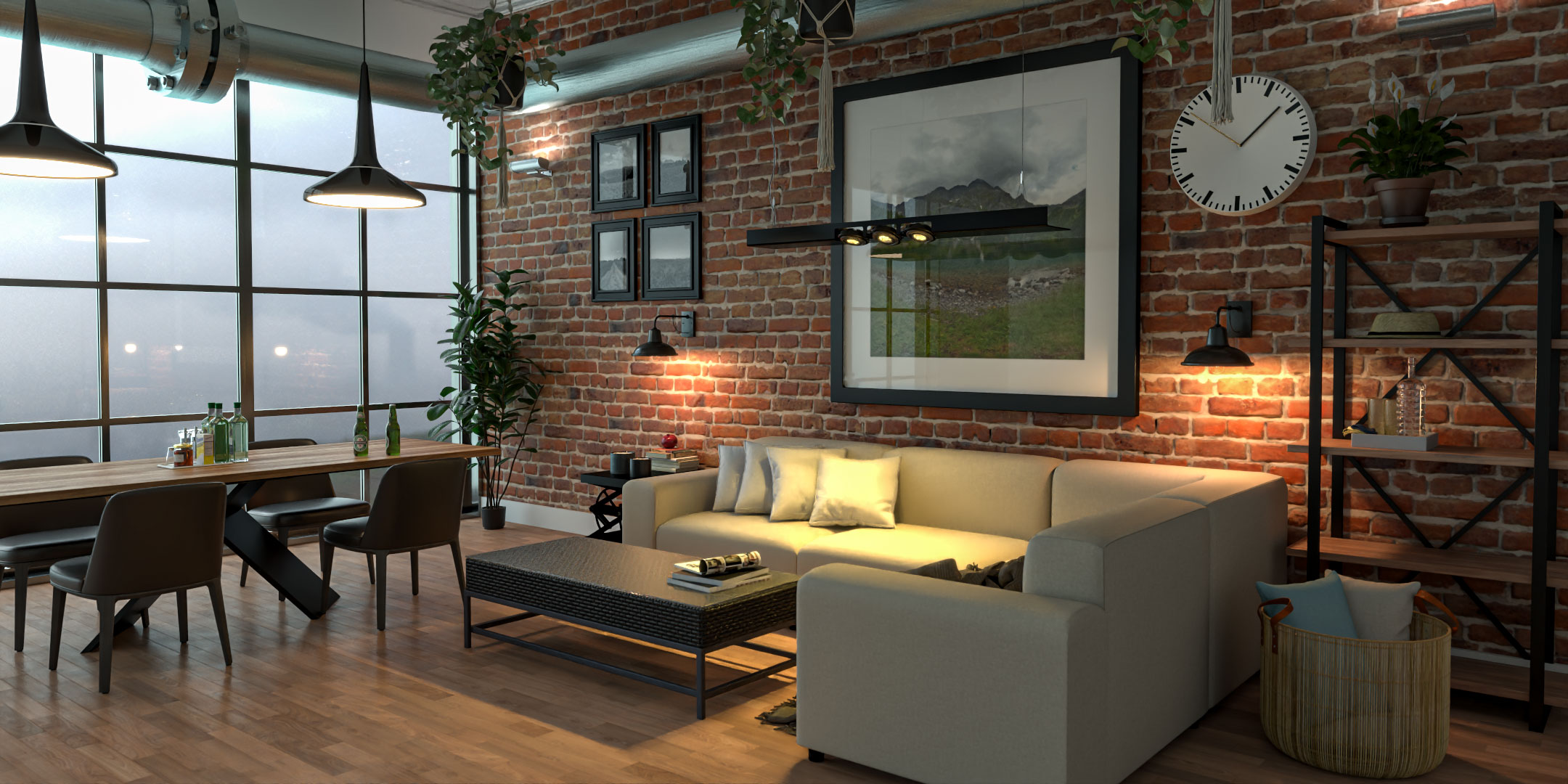
How Property Marketing Has Evolved
Marketing has always played a vital role in the success of property developments.
For many years, developers relied on brochures, floor plans, photography, and printed advertisements to present new homes and commercial projects. These methods continue to serve an important purpose, but buyer expectations have changed considerably.
Today's buyers want more than attractive images.
They want to understand how a property feels, how spaces connect, and what life inside the development could be like.
Virtual reality is helping developers meet these expectations by providing immersive experiences that traditional marketing methods cannot replicate.
Traditional Property Marketing
Traditional marketing remains the foundation of many property campaigns.
Common materials include:
Brochures
Floor plans
Architectural drawings
Photographs
Printed advertisements
Property websites
Static architectural renders
These tools provide valuable information and help communicate key features of a development.
However, they all rely on buyers interpreting the information themselves.
The Limitations of Traditional Marketing
While traditional marketing is effective, it has certain limitations.
Buyers may struggle to understand:
Room proportions
Ceiling heights
Layout flow
Spatial relationships
Overall atmosphere
This is particularly challenging when marketing developments that have not yet been constructed.
Without experiencing the space, buyers are often required to imagine how the finished property will look.
Not everyone finds this easy.
What Virtual Reality Offers
Virtual reality allows buyers to experience a development before construction is complete.
Using a VR headset or interactive platform, users can:
Walk through rooms
Explore layouts
View materials and finishes
Experience lighting
Understand how spaces connect
Rather than interpreting drawings, buyers experience the property in a realistic and engaging environment.
Improving Buyer Engagement
One of the greatest advantages of VR is its ability to capture attention.
Interactive experiences naturally encourage buyers to spend more time exploring a development.
This increased engagement helps buyers gain a better understanding of the project while creating a more memorable experience.
Developments that leave lasting impressions are more likely to remain top of mind during the decision-making process.
Creating Emotional Connections
Property purchases are influenced by both logic and emotion.
Traditional marketing presents information.
Virtual reality creates experiences.
As buyers explore a virtual property, they begin to imagine themselves living or working within the space.
This emotional connection can significantly strengthen interest in a development.
Supporting Off-Plan Sales
Off-plan developments present unique marketing challenges.
Buyers cannot visit a completed property because it does not yet exist.
Traditional marketing can explain the design, but VR allows buyers to experience it.
This helps reduce uncertainty while increasing confidence in purchasing decisions.
For developers, this can improve engagement during the early stages of a project.
Reaching a Wider Audience
Virtual reality also expands marketing opportunities.
Developers can present properties to:
International buyers
Remote investors
Overseas clients
Corporate stakeholders
Without travelling to a sales suite, potential purchasers can still gain a realistic understanding of the development.
This broadens market reach while maintaining a high-quality presentation.
Using VR Alongside Traditional Marketing
Virtual reality is not intended to replace traditional marketing entirely.
Instead, the most successful developers combine both approaches.
A comprehensive marketing strategy may include:
Architectural renders
Brochures
Floor plans
Property websites
Animation walkthroughs
Virtual reality experiences
Each tool serves a different purpose, creating a more complete buyer journey.
The Future of Property Marketing
As technology continues to develop, immersive experiences are becoming increasingly accessible.
Future marketing campaigns are expected to include:
Cloud-based VR tours
Interactive design customisation
Multi-user virtual viewings
Real-time rendering
Integration with augmented reality
These innovations will continue to transform how UK property developments are presented to buyers.
Conclusion
Traditional marketing remains an important part of property development, but it is no longer enough on its own to meet the expectations of today's buyers.
Virtual reality enhances the marketing process by creating immersive experiences that improve understanding, strengthen emotional engagement, and increase buyer confidence.
Rather than replacing traditional methods, VR complements them, helping developers present projects in a more compelling and effective way.
At Luxe3D, we combine photorealistic architectural visualisation, animation, and immersive virtual reality experiences to help UK property developers market projects with greater impact. By integrating VR into traditional marketing strategies, we create engaging presentations that help buyers and investors experience developments before construction begins, supporting stronger marketing campaigns and more informed purchasing decisions.