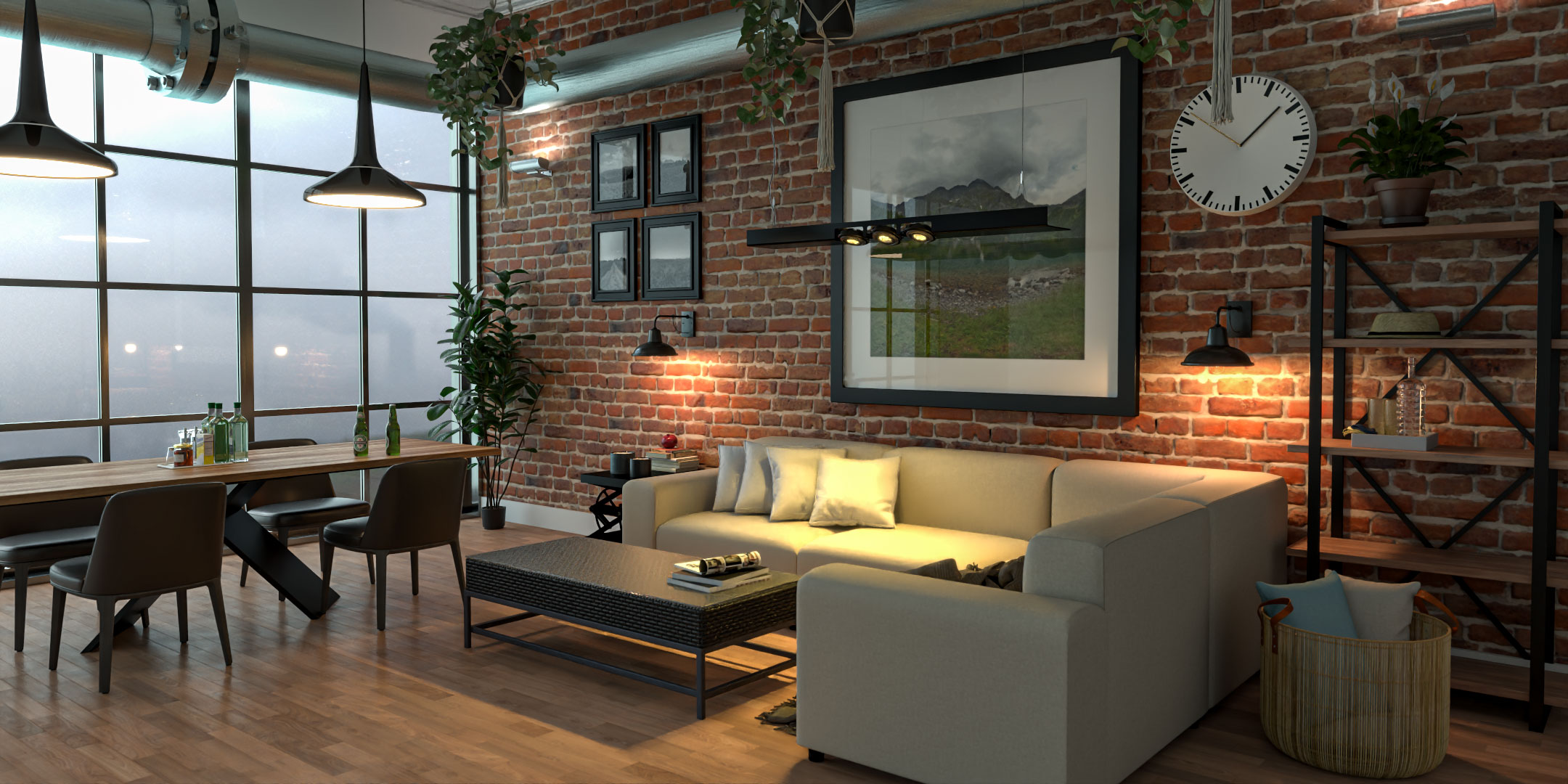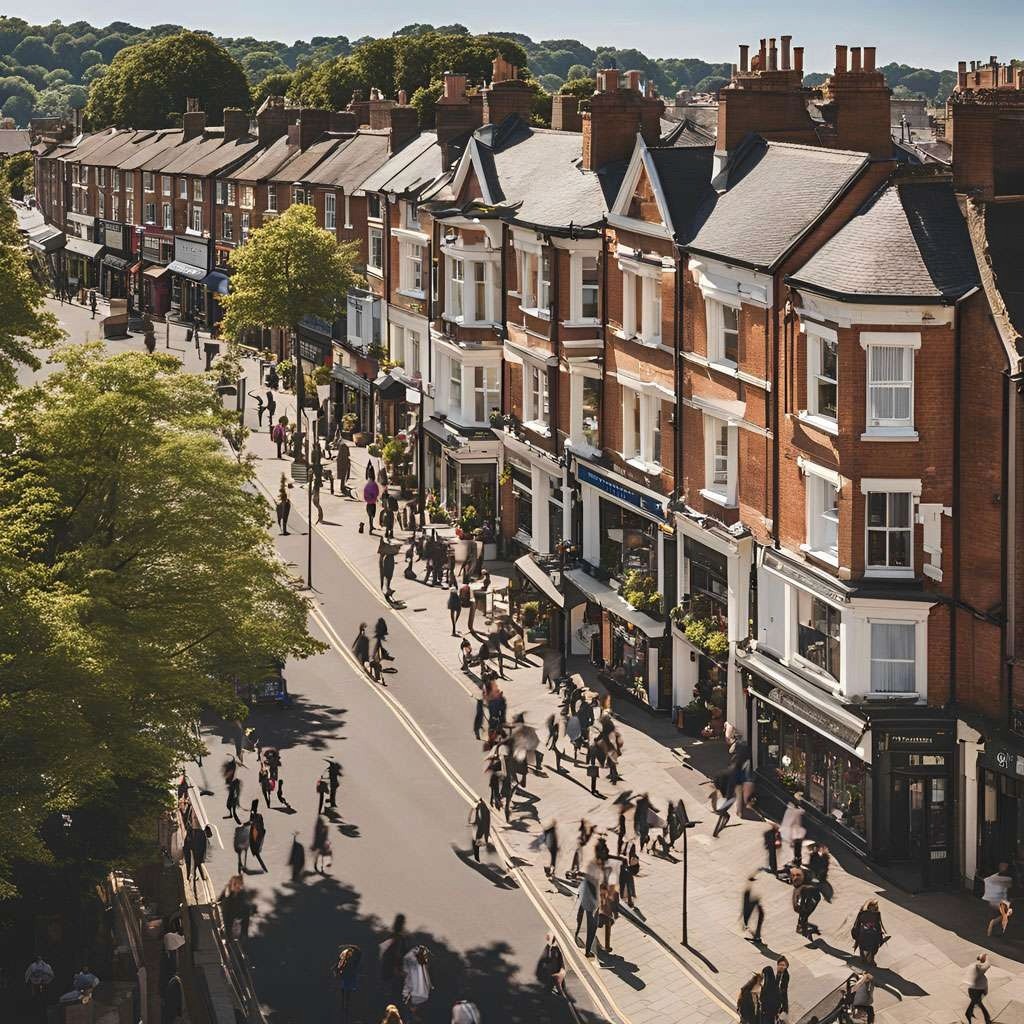
3D rendering images are visual representations created by converting a three-dimensional (3D) model into a two-dimensional (2D) image using computer software. These images are generated through the process of 3D rendering, which involves simulating how light interacts with the 3D model to produce realistic or stylized visual outputs. At Luxe3D.co.uk, we specialize in creating high-quality 3D rendering images for a variety of applications, including architectural visualization, product design, CGI, and video walkthroughs.
What Is 3D Rendering and How Difficult Is It?
3D rendering is the process of converting a three-dimensional digital model into a two-dimensional image using specialised software. It is a core technique used in architectural visualisation, CGI production, animation, gaming, and virtual reality development.
While basic renders can be created quickly, producing realistic and high-quality visuals requires technical knowledge, experience, and a controlled workflow.
Basic vs Advanced 3D Rendering
Basic 3D Rendering
Basic rendering is used for early concepts, quick previews, or simple visualisation tasks.
Typical characteristics include:
Low to medium-detail 3D models
Simple materials and textures
Standard lighting setups
Default or preset rendering configurations
This approach is commonly used for:
Room layout previews
Simple product mockups
Early design presentations
Modern 3D software allows beginners to produce these results quickly using templates and automated settings.
Advanced 3D Rendering
Advanced rendering focuses on photorealism and production-level output.
It requires multiple technical components working together, including:
High-detail 3D modelling with accurate geometry
Physically accurate materials and surface properties
Complex lighting setups with multiple light sources and environment control
High-quality rendering settings such as ray tracing, sampling, and resolution optimisation
This level of rendering is typically used in:
Architectural visualisation projects
Film and CGI production
Virtual reality environments
High-end product rendering and marketing visuals
Each element must be carefully balanced to achieve realism and consistency.
Time and Resource Requirements
The quality of a render is directly influenced by the time and computing power available.
Simple renders can be completed quickly, but professional CGI work requires additional time for:
Scene construction and optimisation
Material creation and refinement
Lighting setup and testing
Rendering, refinement, and post-processing
At Luxe3D.co.uk, each project is planned based on its complexity to balance efficiency with visual quality and accuracy.
Skills and Software in 3D Rendering
The final quality of a render depends heavily on both technical skill and software capability.
Common industry tools include:
Blender
Autodesk 3ds Max
V-Ray
Cinema 4D
Unreal Engine
These platforms provide advanced tools for modelling, shading, lighting, and rendering complex environments.
Experienced artists can significantly improve both workflow speed and output quality through proper technique and optimisation.
Client Expectations and Project Complexity
Rendering difficulty is also influenced by project requirements and client expectations.
For example:
Simple renders focus on clarity and speed
Architectural visualisation requires realism and precision
VR and animation projects require consistency across multiple frames and scenes
Clear communication ensures that the final output aligns with the intended purpose and visual goals.
At Luxe3D.co.uk, each project is reviewed individually to ensure the technical approach matches the creative and commercial requirements.
Luxe3D Workflow Approach
At Luxe3D.co.uk, both simple and complex rendering projects are handled depending on scope, purpose, and timeline.
The workflow is structured to ensure:
Efficient production processes
High-quality visual output
Accurate representation of design intent
Consistency across all deliverables
This flexible approach supports a wide range of CGI and architectural visualisation projects.
Summary
3D rendering transforms digital models into 2D visual outputs
Basic rendering is fast and used for simple visualisation
Advanced rendering requires detailed modelling, lighting, and materials
Quality depends on skill, software, and time investment
Professional workflows balance speed, accuracy, and realism