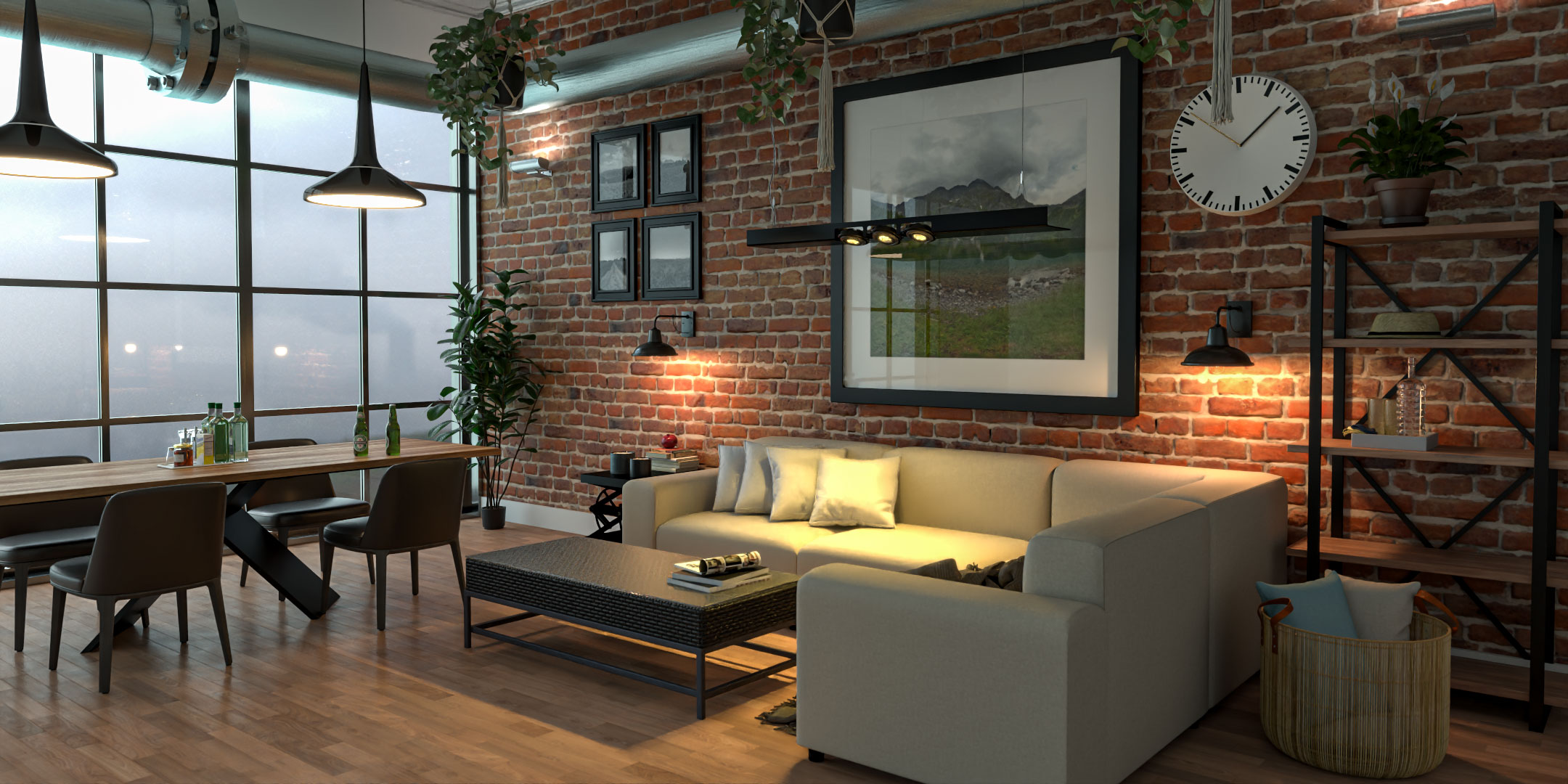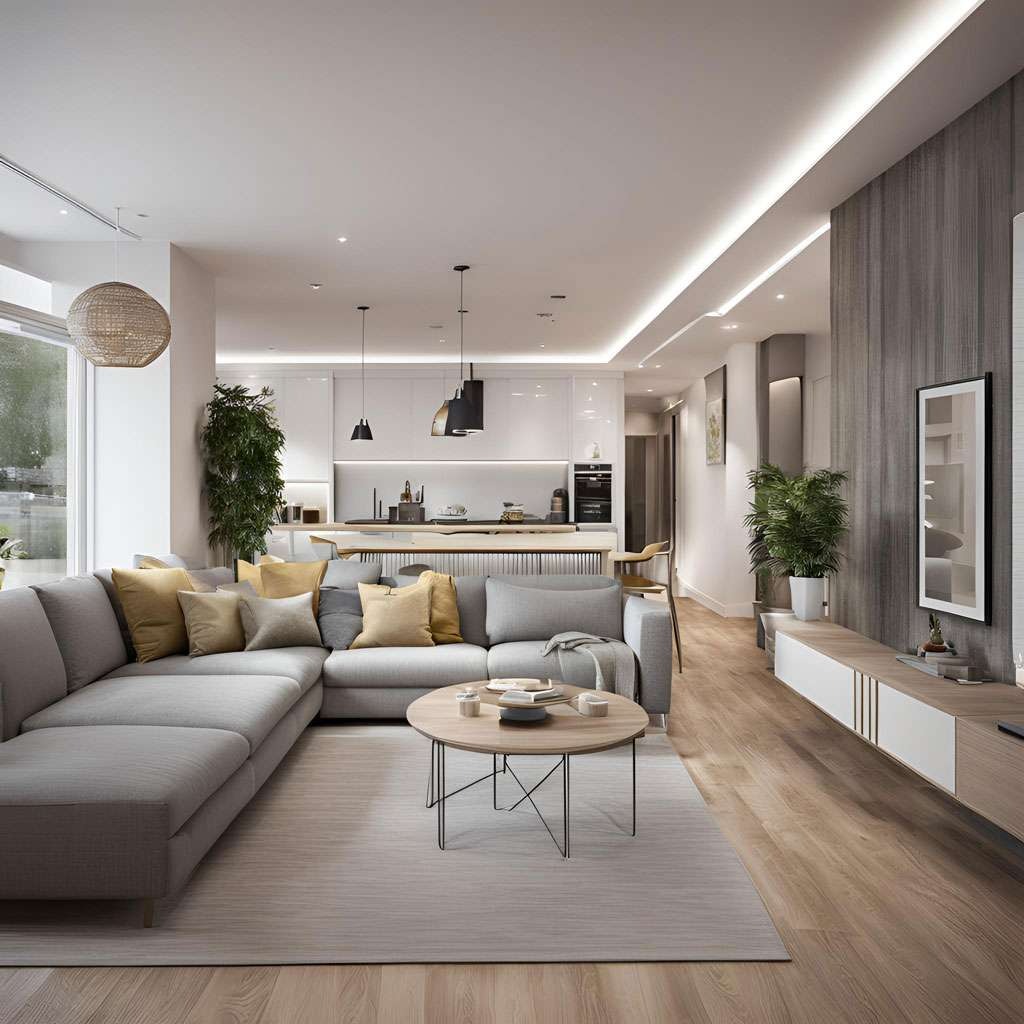
In real-time rendering, most common in video games or interactive graphics, the 3D images are calculated at a very high speed so that it looks like the scenes, which consist of multitudes of images, occur in real time when players interact with your game. Real-time 3D rendering refers to the process of generating 3D images or scenes at a speed that allows for interactive feedback. Unlike traditional 3D rendering, where the output is produced in a batch process and can take several minutes to hours per frame, real-time rendering generates images quickly enough to provide immediate visual updates, enabling users to interact with the 3D content dynamically.
What Is Real-Time 3D Rendering?
Real-time 3D rendering is the process of generating and displaying 3D graphics instantly as a user interacts with a scene. Unlike traditional rendering, which produces a final image after processing, real-time rendering updates visuals continuously as changes happen.
This technology is essential for interactive applications such as gaming, virtual reality, simulations, and modern architectural visualisation.
A key performance target is smooth motion, typically around 24 to 60 frames per second, which creates the perception of continuous movement for the human eye.
Key Characteristics of Real-Time Rendering
Immediate Visual Feedback
One of the most important features of real-time rendering is instant response.
This allows users to:
Move objects and see updates immediately
Adjust lighting, materials, or camera angles in real time
Explore 3D environments interactively
This instant feedback is critical for design workflows and interactive applications.
High Performance Requirements
Real-time rendering depends heavily on optimised systems designed for speed.
To maintain performance, rendering engines use techniques such as:
Level of Detail (LOD) systems to simplify distant objects
Optimised geometry to reduce processing load
Efficient shading methods to balance quality and speed
Modern systems rely on powerful GPUs to handle continuous frame generation without delays.
Where Real-Time Rendering Is Used
Video Games
Real-time rendering is the foundation of modern gaming. Game engines continuously generate graphics as players move through environments and interact with objects.
Virtual Reality (VR) and Augmented Reality (AR)
VR and AR systems rely on real-time rendering to maintain immersion. The environment must update instantly based on user movement and interaction.
Architectural Visualisation
Real-time tools are widely used in architecture to create interactive walkthroughs.
Popular platforms include:
Enscape
Twinmotion
Unreal Engine
These allow designers and clients to explore spaces dynamically before construction.
Core Technologies Behind Real-Time Rendering
Shaders and Materials
Shaders control how surfaces react to light. In real-time rendering, they are optimised to deliver visual quality while maintaining performance.
Textures are used to simulate realistic surface detail such as:
Roughness
Reflection
Colour variation
Rasterisation vs Ray Tracing
Most real-time rendering systems rely on rasterisation because it is fast and efficient.
However, modern GPUs now support real-time ray tracing, which improves realism by simulating more accurate lighting and reflections, though it requires higher performance hardware.
Game Engines and Software
Real-time rendering is typically built into modern engines such as:
Unreal Engine
Unity
These platforms provide tools for physics, lighting, animation, and optimisation in interactive environments.
Benefits of Real-Time 3D Rendering
Faster Design Decisions
Changes can be viewed instantly, making it easier to refine designs and iterate quickly.
Interactive Experience
Users can explore environments freely, improving understanding and engagement.
Better Client Communication
Real-time visuals allow clients to see design changes immediately, improving feedback and decision-making.
Luxe3D Workflow Approach
At Luxe3D.co.uk, real-time rendering is used to support interactive visualisation and design review processes.
This includes:
Architectural walkthroughs
Interactive scene exploration
VR-ready visual presentations
Using real-time tools allows faster iteration, clearer communication, and more immersive client experiences.
Summary
Real-time rendering generates visuals instantly as changes happen
It is essential for gaming, VR, and interactive architectural visualisation
Performance depends on optimisation techniques and GPU power
Technologies include shaders, rasterisation, ray tracing, and game engines
It improves speed, interactivity, and client engagement