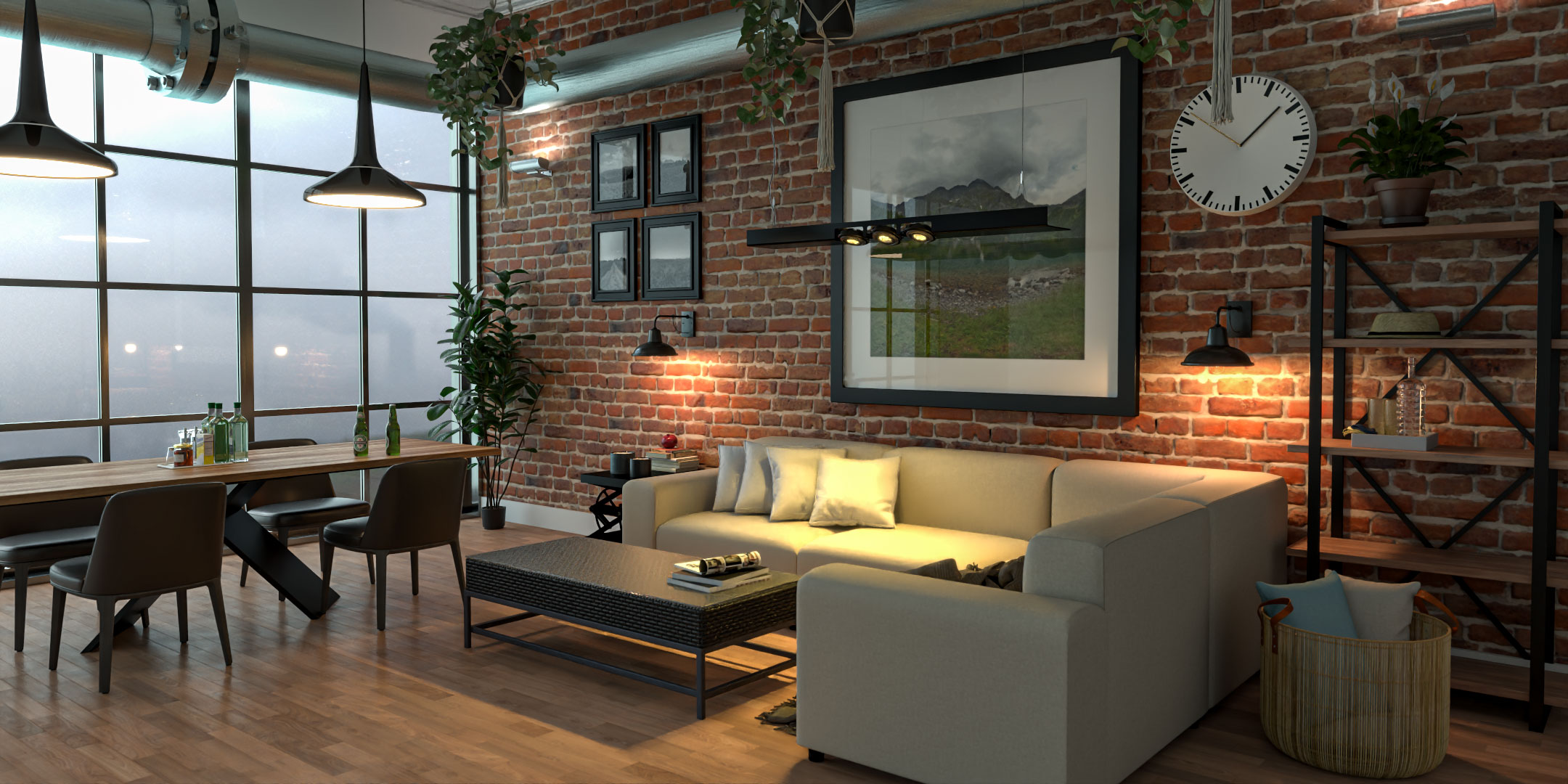
Starting a career as a 3D rendering artist can be a scary endeavor. Use these online resources to learn the vital skills you’ll need to succeed. If you’ve made it this far, I probably don’t need to convince you of the benefits of starting a career as a 3D rendering artist. Learning 3D rendering involves mastering both the technical aspects and the artistic skills required to produce high-quality visuals. There are several resources available for learning 3D rendering, ranging from online courses and tutorials to books and community forums. Here’s a comprehensive guide to help you get started:
Learning 3D rendering has never been more accessible. Whether your goal is to create photorealistic architectural visualisation, realistic product 3D rendering, advanced CGI, immersive 3D walkthrough animations, or interactive virtual reality experiences, there are now more learning resources available than ever before.
The best place to learn 3D rendering depends on your objectives, budget, preferred software, and learning style. Some artists prefer structured courses, while others learn through tutorials, communities, mentorships, and real-world projects.
Regardless of the path you choose, becoming skilled in 3D rendering, 3D design, and CGI requires consistent practice and a solid understanding of both technical and creative principles.
1. Start with the Fundamentals of 3D Design
Before focusing on advanced 3D rendering, it is important to build a strong foundation in 3D design.
Most successful 3D artists begin by learning:
Basic 3D modelling
Materials and texturing
Lighting fundamentals
Camera composition
Colour theory
Rendering engines
Scene optimisation
Animation basics
Understanding these core principles makes the entire 3D rendering workflow significantly easier and helps create more realistic and professional results.
A strong understanding of 3D design is often what separates beginner work from professional-quality CGI.
2. Learn 3D Rendering Through YouTube
YouTube remains one of the best free resources for learning 3D rendering.
Thousands of professional artists regularly publish tutorials covering:
Architectural visualisation
Interior rendering
Exterior rendering
Product visualisation
Photorealistic CGI
Animation
3D walkthrough production
Real-time rendering
Virtual reality environments
Popular software covered on YouTube includes:
Blender
Autodesk 3ds Max
V-Ray
Corona Renderer
SketchUp
Lumion
Twinmotion
Cinema 4D
Unreal Engine
The biggest advantage of YouTube is flexibility. Students can learn at their own pace while following real project workflows used throughout the 3D rendering industry.
3. Use Professional Online Learning Platforms
Structured online training can accelerate your progress and provide a more organised learning path.
Popular learning platforms include:
Udemy
Coursera
Skillshare
LinkedIn Learning
CG Spectrum
CG Master Academy
Rebelway
The Gnomon Workshop
These platforms often offer complete courses covering:
3D design principles
Architectural visualisation
Product rendering
CGI production
Animation workflows
Portfolio development
Professional rendering techniques
Many courses also include downloadable assets, project files, feedback opportunities, and portfolio-building exercises.
4. Learn Blender as Your First 3D Rendering Software
For many artists, Blender is the ideal starting point.
Blender is completely free and includes:
3D modelling
Sculpting
Texturing
Animation
Rendering
Compositing
Video editing
Simulation tools
Its built-in rendering engines, Cycles and Eevee, allow artists to create professional-quality 3D rendering projects without purchasing expensive software licences.
Because of its accessibility and capabilities, Blender has become one of the most widely used tools for learning 3D design and CGI.
5. Specialise in Architectural Visualisation
Many artists enter the industry through architectural visualisation.
Architectural 3D rendering focuses on creating realistic images of:
Residential properties
Commercial developments
Interior spaces
Exterior environments
Urban developments
Landscape designs
Common software used for architectural visualisation includes:
3ds Max
Corona Renderer
V-Ray
SketchUp
Revit
Lumion
Twinmotion
Unreal Engine
Architectural visualisation requires an understanding of:
Real-world materials
Architectural lighting
Camera composition
Human scale
Environmental context
Interior and exterior rendering
Studios such as Luxe3D use combinations of these tools to produce photorealistic 3D rendering, CGI, 3D walkthrough animations, and interactive visualisation experiences.
6. Learn Through Real Projects
One of the fastest ways to improve your 3D rendering skills is by working on practical projects.
Examples include:
Houses
Apartments
Kitchens
Bathrooms
Office interiors
Furniture
Product designs
Commercial buildings
Every completed project improves your understanding of:
Lighting
Materials
Composition
Optimisation
Workflow efficiency
The more projects you complete, the stronger your 3D design and CGI abilities become.
7. Explore Real-Time 3D Rendering
Real-time 3D rendering is one of the fastest-growing areas of the visualisation industry.
Software platforms such as:
Unreal Engine
Unity
Twinmotion
allow artists to create:
Interactive presentations
3D walkthrough experiences
Real-time architectural visualisation
Product configurators
Virtual reality applications
Real-time rendering is increasingly used by:
Architects
Property developers
Interior designers
Product manufacturers
Marketing agencies
The ability to create interactive content has become a valuable skill within the modern CGI industry.
8. Learn Virtual Reality Visualisation
The future of 3D rendering is becoming increasingly connected to virtual reality.
Today, many architectural visualisation projects include virtual reality experiences that allow clients to explore spaces before construction begins.
Using virtual reality, users can:
Walk through buildings
Explore interiors
Evaluate layouts
Experience lighting conditions
Interact with design elements
Combining traditional 3D rendering skills with virtual reality development can significantly increase career opportunities and project value.
9. Join Professional 3D Communities
Learning does not happen through courses alone.
Joining industry communities allows artists to:
Receive feedback
Solve technical challenges
Learn new workflows
Discover industry trends
Build professional relationships
Popular communities include:
ArtStation
CGArchitect
Polycount
Blender Artists
Behance
Constructive feedback from experienced artists can dramatically accelerate growth in 3D rendering, 3D design, and CGI production.
10. Build a Strong Portfolio
Learning software is only part of becoming a professional 3D artist.
A strong portfolio is often more important than qualifications when applying for jobs or attracting clients.
An effective portfolio should include:
Interior 3D rendering
Exterior 3D rendering
Architectural visualisation
Product 3D rendering
CGI still imagery
3D walkthrough animations
Interactive presentations
Virtual reality projects
A diverse portfolio demonstrates both technical ability and creative problem-solving skills.
11. Study Professional Visualisation Studios
Another excellent way to learn is by analysing the work of established studios.
Studying professional projects helps artists understand:
Lighting techniques
Material realism
Composition
Presentation methods
Industry standards
Client expectations
At Luxe3D, we regularly produce professional 3D rendering, architectural visualisation, CGI, 3D walkthrough, and virtual reality content for commercial projects. Examining professional workflows can provide valuable insight into the quality standards expected within the industry.
Conclusion
The best way to learn 3D rendering is through a combination of structured training, practical experience, professional feedback, and continuous improvement. Developing skills in 3D design, CGI, architectural visualisation, 3D walkthrough production, and virtual reality takes time, but these capabilities are increasingly valuable across architecture, real estate, engineering, product design, advertising, gaming, and entertainment.
Whether you learn through YouTube, professional courses, university programmes, or self-directed practice, consistency is the key to success. Every project completed improves your understanding of 3D rendering, strengthens your CGI skills, enhances your 3D design capabilities, and prepares you for the growing demand for high-quality visualisation services.
For those aiming to reach professional standards, studying real-world commercial work produced by studios such as Luxe3D can provide valuable inspiration and practical insight into the workflows, quality, and presentation techniques used throughout the modern 3D rendering industry.