The Shift in How Architecture Is Communicated
Architecture in the UK is undergoing a major shift in how designs are communicated, reviewed, and delivered.
For decades, 2D drawings have been the foundation of architectural communication. Plans, elevations, and sections have defined how buildings are designed and approved.
However, in 2026, this traditional approach is no longer sufficient on its own.
Architects, developers, and planning stakeholders increasingly expect visual clarity that goes beyond technical drawings.
This is driving a clear movement toward 3D visualisation as a primary communication tool.
The Limitations of 2D Drawings
While 2D drawings remain essential for technical documentation, they come with limitations when used for communication with non-technical audiences.
Common challenges include:
Difficulty interpreting spatial relationships
Misunderstanding of scale and proportions
Lack of visual context
Limited understanding of materiality
Confusion around layout and flow
For clients, investors, and planning committees, reading technical drawings often requires specialist knowledge.
This can slow down decision-making and create unnecessary uncertainty.
Why Clarity Has Become a Priority
Modern UK architecture involves more stakeholders than ever before.
Projects must be understood by:
Planning authorities
Local councils
Developers
Investors
End users
Each group needs to clearly understand what is being proposed without ambiguity.
3D visualisation provides this clarity instantly by translating technical drawings into realistic visual experiences.
How 3D Visualisation Improves Understanding
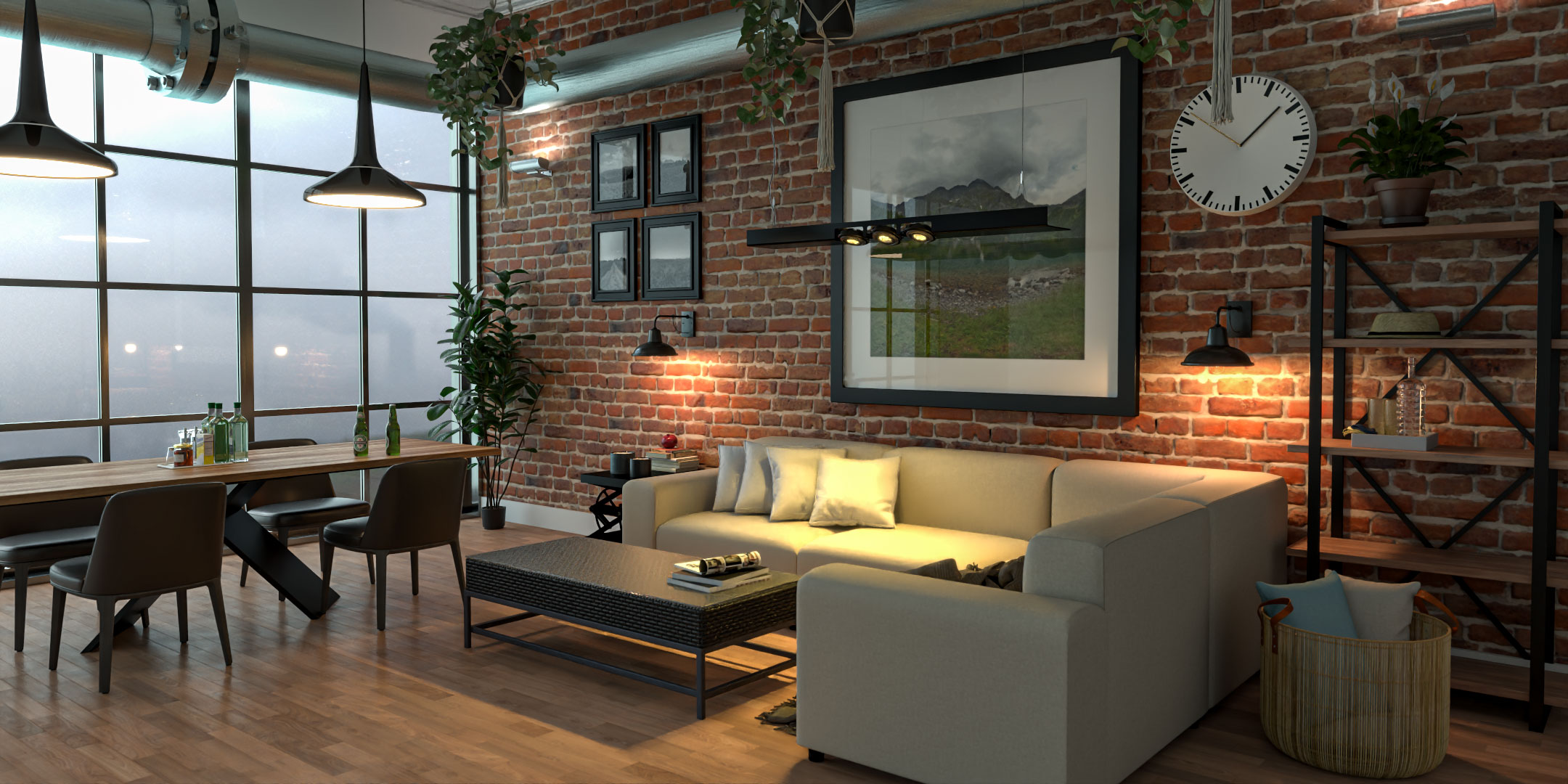
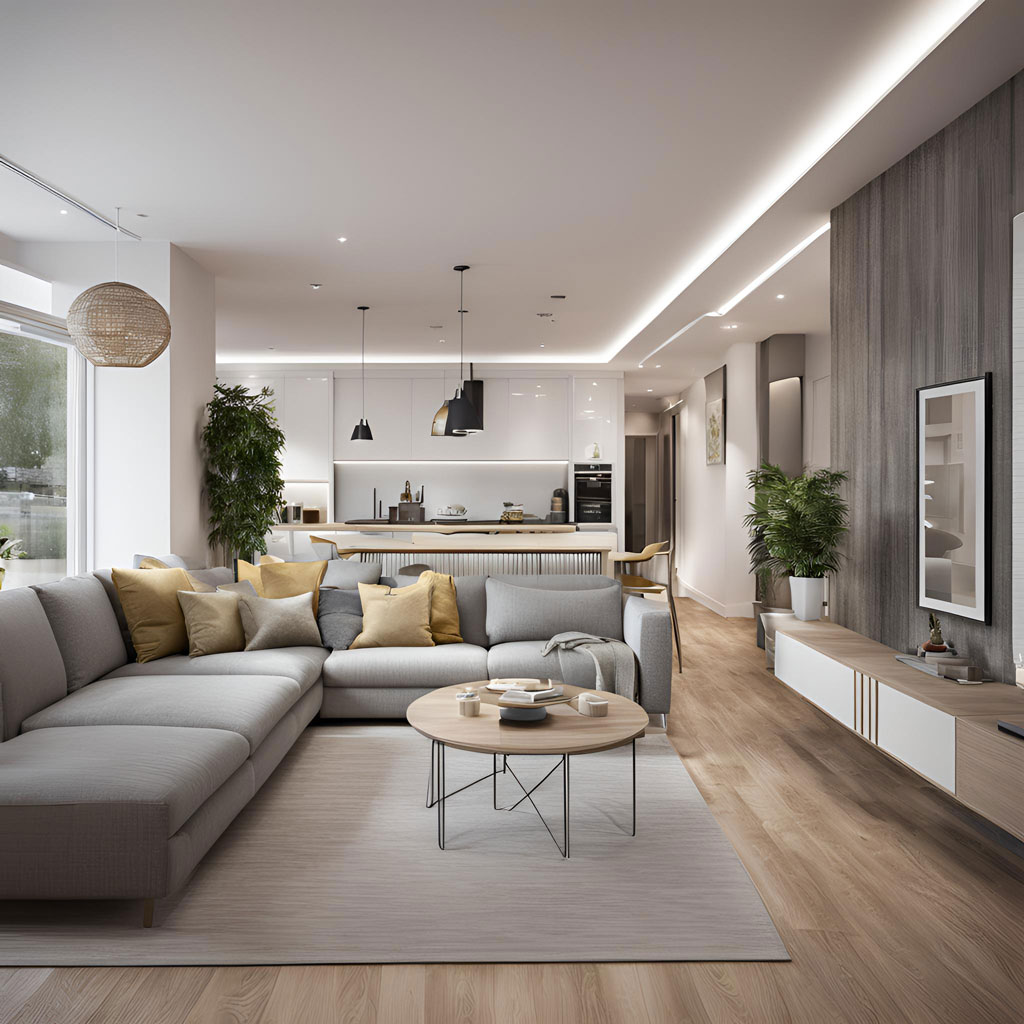
3D visualisation allows architectural designs to be experienced rather than interpreted.
Instead of analysing lines and symbols, stakeholders can see:
True building proportions
Realistic spatial relationships
Material choices and finishes
Lighting conditions
Context within the surrounding environment
This reduces misunderstandings and creates a shared understanding of the design intent.
The Role of Technology in the Shift
Advances in technology have accelerated the move away from 2D-first workflows.
Modern tools now allow architects to:
Generate real-time 3D models
Produce photorealistic renders quickly
Create interactive walkthroughs
Present designs in virtual reality
These tools make it easier to communicate ideas visually from the earliest stages of design.
As a result, many architects now begin projects in 3D rather than converting from 2D later.
Improving Client Communication
One of the most significant advantages of 3D visualisation is improved client communication.
Clients often struggle to understand traditional drawings, especially during early concept stages.
3D visuals help them:
Understand space more intuitively
Visualise design intent clearly
Provide more informed feedback
Make decisions faster
This leads to more productive design discussions and fewer revisions.
Supporting Planning and Approval Processes
Planning applications in the UK increasingly rely on visual clarity.
While 2D drawings are still required for submission, they are often supported by:
Exterior renders
Contextual visualisations
Streetscape imagery
3D massing studies
These visuals help planning officers and committees better understand the proposal.
In many cases, this leads to smoother communication during the review process.
Enhancing Design Development
3D workflows also improve internal design development.
Architects can test ideas more effectively by:
Evaluating massing in context
Adjusting proportions visually
Comparing material options
Identifying design issues early
This iterative process leads to stronger design outcomes and fewer costly changes later.
Meeting Client Expectations in 2026
Client expectations have evolved significantly.
Today’s clients expect:
Fast visual feedback
Realistic representations
Interactive presentations
Immersive experiences
2D drawings alone no longer meet these expectations.
3D visualisation provides a more engaging and understandable way to present architectural ideas.
The Future of Architectural Communication
The future of architecture is increasingly visual and interactive.
Emerging trends include:
Real-time rendering environments
Virtual reality design reviews
AI-assisted modelling
Fully interactive 3D collaboration platforms
These technologies are gradually replacing traditional presentation methods in many workflows.
In the coming years, 3D-first design processes are expected to become standard practice across much of the industry.
Conclusion
The move away from 2D drawings in UK architecture is not about replacing technical documentation, but about improving communication and clarity.
3D visualisation provides a more intuitive, accessible, and effective way to present architectural ideas to a wide range of stakeholders.
As expectations continue to evolve in 2026 and beyond, architects who adopt visual-first workflows will be better positioned to communicate their designs and deliver stronger project outcomes.
At Luxe3D, we support UK architects by transforming technical designs into clear, photorealistic 3D visualisations. From concept renders to detailed architectural presentations and immersive experiences, we help bridge the gap between design intent and stakeholder understanding, enabling more confident decisions throughout the architectural process.