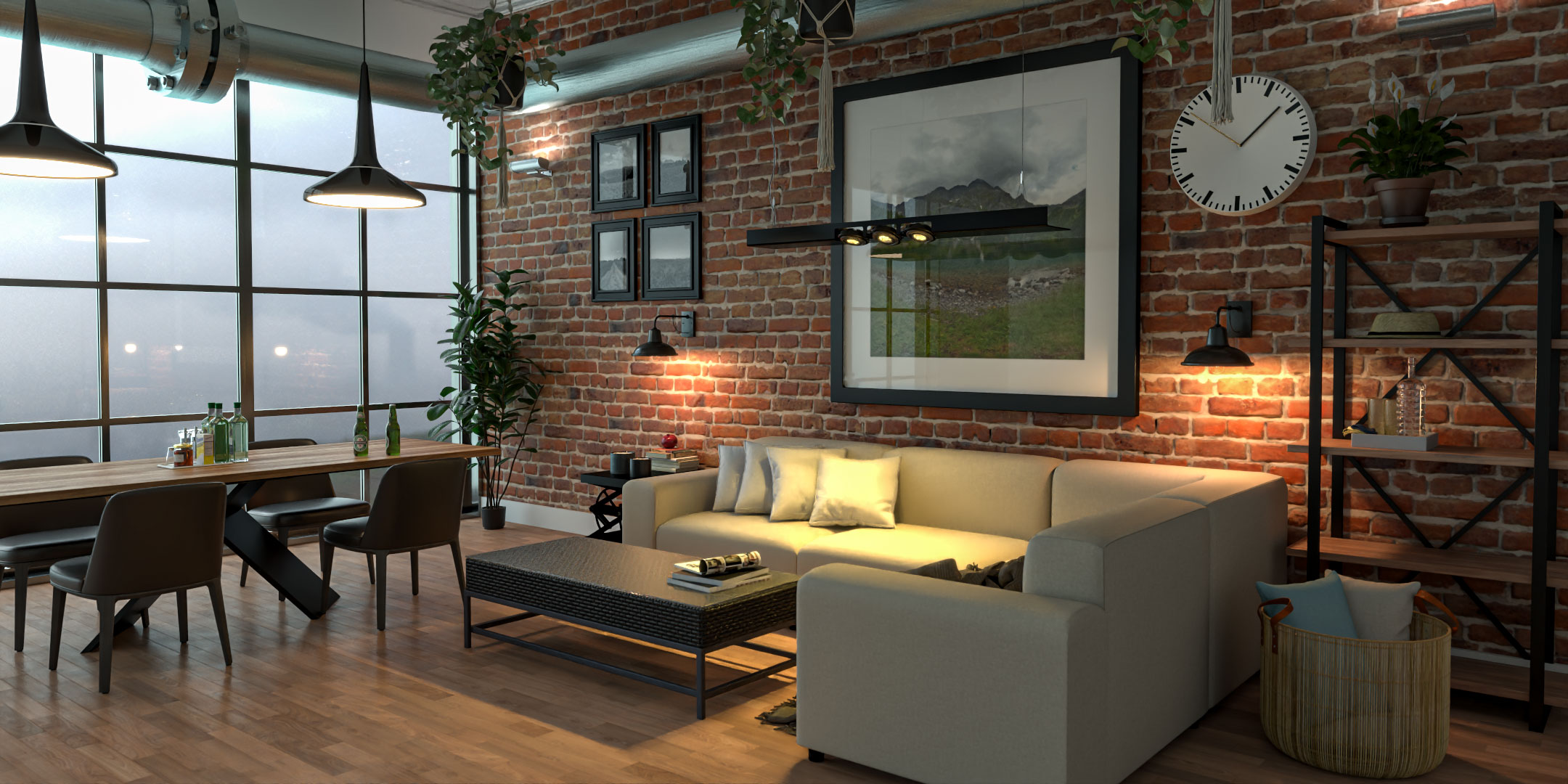
The Challenge of Selling What Does Not Yet Exist
One of the biggest challenges facing property developers is convincing buyers to invest in a property that has not yet been built.
Traditional sales materials such as floor plans, brochures, and static images can communicate important details, but they often leave room for interpretation. Buyers may struggle to understand the scale of rooms, the flow between spaces, or how the finished development will actually feel.
As competition across the UK property market continues to increase, developers are turning to new technologies to bridge this gap.
Virtual reality has emerged as one of the most effective solutions.
By allowing buyers to experience a property before construction begins, VR is helping developers market projects more effectively and secure sales earlier in the development cycle.
What Is Virtual Reality in Property Development?
Virtual reality allows users to enter and explore a fully immersive digital version of a proposed property.
Using a VR headset or interactive platform, buyers can:
Walk through rooms
Explore layouts at full scale
Experience design features
View finishes and materials
Understand spatial relationships
Rather than imagining a future property from drawings, they can experience it in a realistic and engaging way.
Why Buyer Expectations Have Changed
Modern property buyers expect more information before making major purchasing decisions.
The rise of digital technology has changed how people research products, services, and investments.
Property is no different.
Buyers increasingly want to:
Visualise their future home
Understand layouts in detail
Experience spaces before committing
Compare developments more effectively
Virtual reality helps meet these expectations by providing a level of engagement that traditional marketing materials cannot achieve.
Improving Buyer Confidence
Confidence is a key factor in any property purchase.
When buyers fully understand what they are purchasing, they are more likely to move forward with a decision.
Virtual reality helps reduce uncertainty by giving buyers the opportunity to experience:
Room sizes
Interior layouts
Design features
Property flow
Overall atmosphere
This deeper understanding often results in greater confidence and stronger engagement.
Supporting Off-Plan Property Sales
Many UK developments rely on off-plan sales to demonstrate demand and support project viability.
Securing buyers before construction is complete can provide significant advantages for developers.
Virtual reality supports this process by helping prospective purchasers connect with the development at a much earlier stage.
Instead of purchasing based on assumptions, buyers can explore a realistic representation of the finished property.
This can make off-plan purchases feel less risky and more tangible.
Creating Emotional Engagement
Property purchases are often influenced by emotion as much as practicality.
Buyers want to imagine themselves living in a space.
Virtual reality helps create this emotional connection by allowing users to experience the property from a first-person perspective.
Walking through a future home can be far more memorable than viewing plans or marketing images.
This emotional engagement can play a significant role in purchasing decisions.
Reaching Remote and International Buyers
The UK property market attracts buyers from across the world.
Many potential purchasers are unable to visit developments in person during the sales process.
Virtual reality allows developers to showcase properties remotely while maintaining a highly engaging experience.
This helps developers:
Reach wider audiences
Engage overseas investors
Improve accessibility
Present developments consistently
For international sales, VR can be a particularly valuable marketing tool.
Differentiating Developments in Competitive Markets
Competition among developers is strong, particularly in major cities such as London, Manchester, Birmingham, and Bristol.
Developers are constantly seeking ways to make their projects stand out.
Virtual reality demonstrates innovation while providing practical benefits to buyers.
Developments that offer immersive experiences often appear more modern, professional, and customer-focused.
This can help attract attention in crowded markets.
Integrating VR with Property Marketing
Virtual reality is most effective when used alongside other visualisation tools.
Developers frequently combine VR with:
Architectural rendering
Animation walkthroughs
Interactive presentations
Digital marketing campaigns
Sales suite experiences
Together, these tools create a comprehensive and engaging marketing strategy.
The Future of VR in Property Sales
Virtual reality technology continues to advance rapidly.
Emerging trends include:
Cloud-based VR experiences
Interactive property customisation
Real-time rendering technology
Multi-user virtual viewings
Integration with augmented reality
As these innovations become more accessible, VR is expected to become a standard part of property marketing rather than a specialist offering.
Developers who adopt these technologies early are likely to gain a competitive advantage.
Conclusion
Virtual reality is changing how UK developers market and sell properties before construction begins.
By providing immersive experiences that improve understanding, increase confidence, and create stronger emotional connections, VR helps bridge the gap between concept and reality.
As buyer expectations continue to evolve, virtual reality is becoming an increasingly important tool for successful off-plan property sales.
At Luxe3D, we create immersive virtual reality experiences, architectural visualisations, and interactive 3D walkthroughs that help property developers present projects with clarity and impact. By allowing buyers and investors to explore developments before construction begins, we help transform concepts into compelling experiences that support stronger marketing and more effective sales outcomes.